Major US Banks Target 2027 Launch for Tokenized Deposit Network
Large US banks are preparing a tokenized deposit network by 2027 to enable round-the-clock blockchain payments while keeping deposits inside the regulated banking system.

Large US banks are preparing a tokenized deposit network by 2027 to enable round-the-clock blockchain payments while keeping deposits inside the regulated banking system.

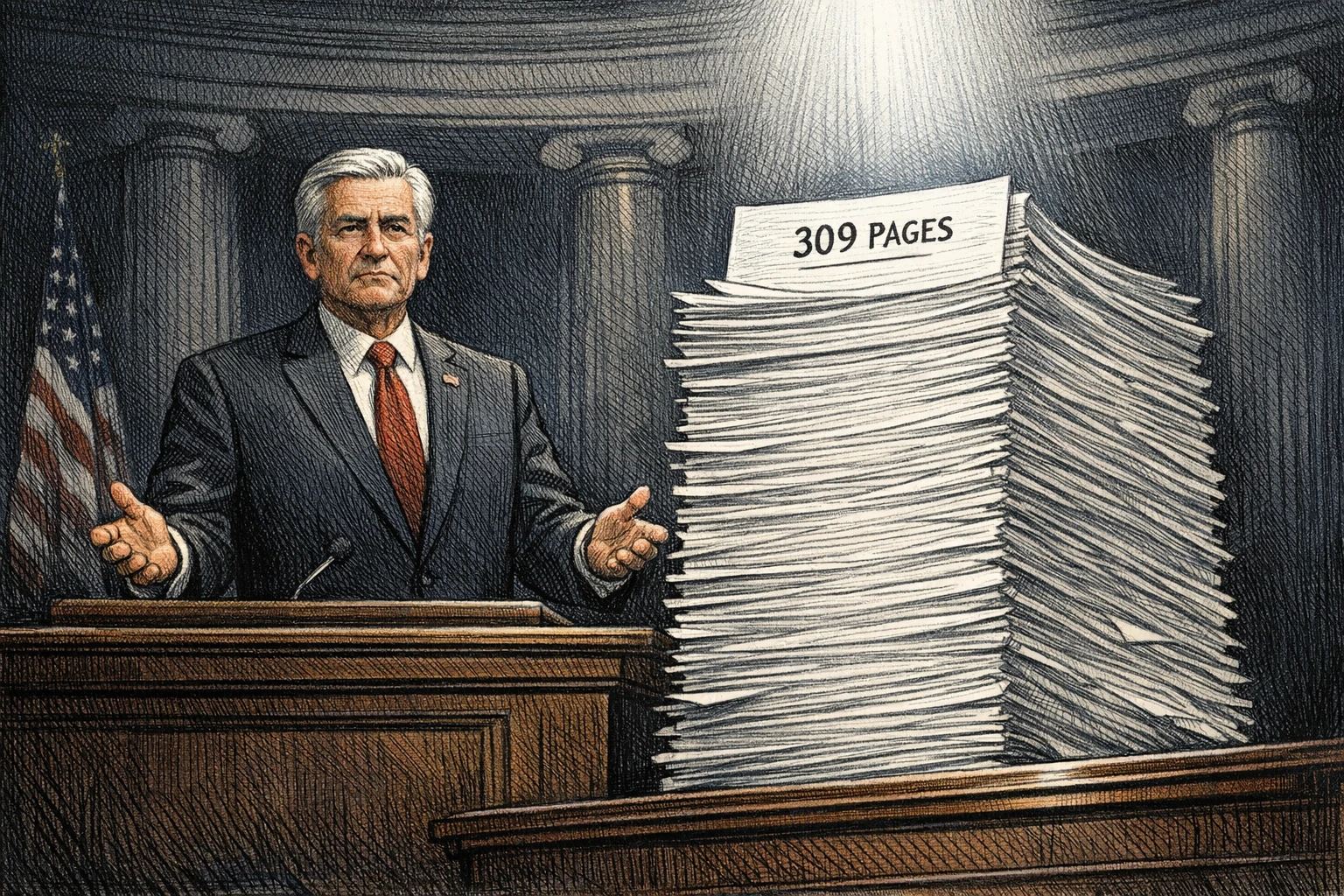
The US Senate Banking Committee has released the full 309-page Clarity Act. The bill restricts yield on payment stablecoins, keeps protections for certain DeFi developers, and leaves conflict-of-interest rules unresolved ahead of committee review.

A gap in the GENIUS Act let exchanges offer stablecoin rewards after issuers were barred from paying yield. Banks want the CLARITY Act to close it, but Coinbase has rejected the latest compromise language.

By 2026, roughly 134 to 146 countries explore CBDCs, but the US bans its retail digital dollar while Europe and China advance. The retail vs wholesale divide deepens, and cross-border projects aim to bypass dollar dominance.

SoFi Bank launched SoFiUSD (SOFID), the first stablecoin issued by a US nationally chartered bank, on both Ethereum and Solana. Solana was chosen for its low cost and high throughput, targeting retail payments. Market cap hit $100M within hours.

Telcoin Digital Asset Bank launched US resident accounts directly tied to on-chain stablecoin eUSD on June 23, 2026, integrating banking and crypto in a single product. Backed by a Nebraska charter, it plans yield and debit card features.

Major U.S. banking groups say the latest Clarity Act draft still does not fully ban stablecoin yield and interest, warning that the language could accelerate deposit flight and leave room for crypto firms to bypass restrictions.

The Fed and the US Treasury are asking banks and insurers about private credit exposure as refinancing pressure mounts across the $1.8 trillion sector and some funds restrict redemptions.