North Korea
Sep 21, 2026

FBI, Japanese police tie $10.7 million crypto theft campaign to North Korean group WaterPlum

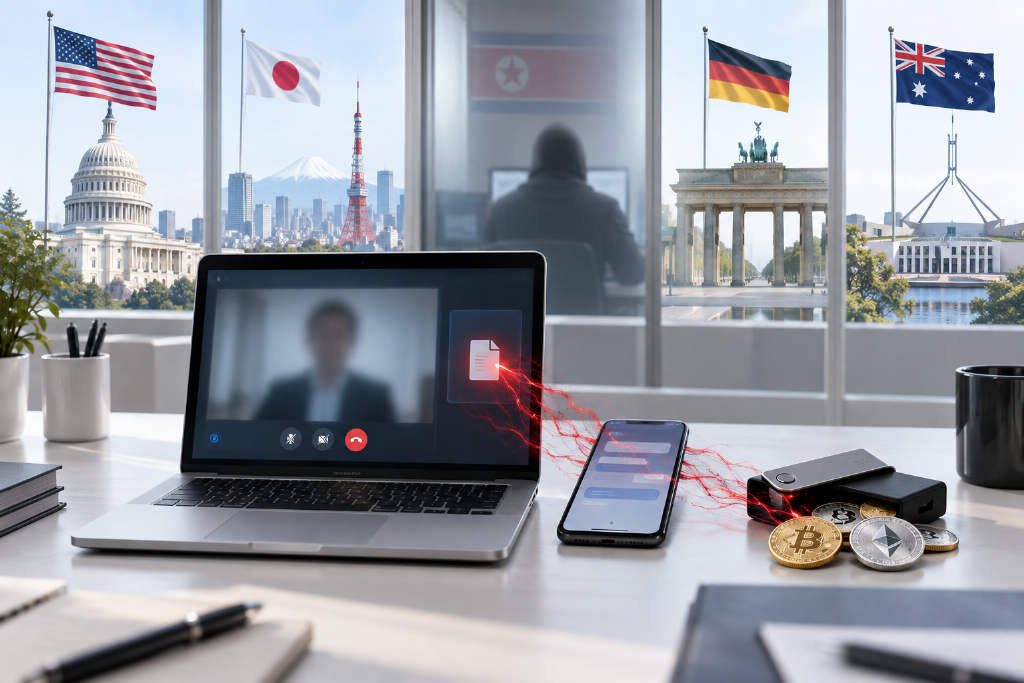
The FBI and Japan’s National Police Agency have publicly attributed a crypto-focused theft campaign to WaterPlum, a North Korean hacking group also known in the security industry as Contagious Interview. According to a warning document released last Friday and reporting by Forbes, the group posed as recruiters offering high-paying remote jobs, then tricked software developers and IT workers into running malware during coding tests or fake troubleshooting tasks. Authorities said the operation hit at least 30,000 devices across more than 100 countries and drained over 7,000 crypto wallets, with total proceeds reaching $10.7 million. The joint warning says the stolen funds and credentials ultimately flowed to Pyongyang. The malware packages used in the scheme included BeaverTail, InvisibleFerret, OtterCookie and a newer strain called StoatWaffle, which could launch after a target opened a blockchain-themed project folder in Visual Studio Code and clicked "Trust." Once active, the malware stole passwords, keystrokes, screenshots, wallet seed phrases and even passport photos. Authorities and security researchers said the campaign shows a shift in focus from major platforms to individual developers. The warning also documented AI face-swapping in interviews, fake job applications, and links to a laptop farm case in Japan.

1240
FBI, Japanese police tie $10.7 million crypto theft campaign to North Korean group WaterPlum
North Korea hackers
Sep 21, 2026

Four-country alert says North Korea-linked WaterPlum used fake interviews to steal $10.71 million in crypto

Authorities in Japan, the United States, Australia and Germany issued a joint alert on Sept. 18 accusing the North Korea-linked hacking group WaterPlum of posing as recruiters from AI, cryptocurrency and NFT companies to trick software engineers into running malware during fake job interviews. The notice said the campaign compromised at least 30,000 computers across more than 100 countries between December 2025 and July 2026, leading to losses from more than 7,000 crypto wallets. According to the alert, the stolen assets were moved to wallets tied to North Korea, with total losses reaching at least JPY 1.7 billion, or about $10.71 million. Investigators said the main victims were individuals, including web designers, engineers and professionals working in crypto, blockchain and Web3, and that the attackers targeted their personal wallets. The notice also described how the group allegedly hid malware in NPM packages, used AI face-swapping tools during interviews, and relied on remote access trojans and infostealers to extract credentials, wallet keys and personal documents. Japanese authorities said they also dismantled a laptop farm in Japan for the first time, linking it to North Korean IT workers through shared IP addresses.

1290
Four-country alert says North Korea-linked WaterPlum used fake interviews to steal $10.71 million in crypto
North Korea hackers
Sep 21, 2026

Four governments warn North Korean hackers used fake recruiting to steal $10.7 million in crypto

Japan, Germany, Australia, and the United States have issued a joint warning over a North Korean cyber group identified as WaterPlum, also known as Contagious Interview. The governments said the group posed as recruiters from cryptocurrency, AI, and NFT companies and, between December 2025 and July 2026, stole at least $10.7 million from more than 7,000 crypto wallets while infecting over 30,000 devices. According to the warning, the operation targeted developers through social media and recruiting platforms, luring them into downloading malicious files. Once the malware established backdoor access, the attackers were able to steal cryptocurrency and sensitive data from compromised systems. U.S. and Japanese authorities assessed that WaterPlum is linked to North Korea’s Ministry of Munitions Industry. They also said the campaign is connected to a broader effort involving North Korean IT workers dispatched to overseas companies. The report follows a separate case in July, when Consensys ended a working relationship after discovering North Korea-linked developers had been hired, though the company found no asset losses in that incident.

1420
Four governments warn North Korean hackers used fake recruiting to steal $10.7 million in crypto
North Korea
Sep 21, 2026

North Korea-linked WaterPlum posed as recruiters, infected 30,000 devices and stole at least $10.7 million in crypto

North Korean cyber group WaterPlum, also known as Contagious Interview, targeted software developers and IT workers by posing as recruiters for legitimate crypto, AI and NFT companies, according to Cointelegraph and a joint advisory issued by authorities in Japan, Germany, Australia and the United States. The campaign used social media, job boards, gig platforms and freelance marketplaces to lure applicants into downloading malicious files disguised as coding tests or fixes for video-conferencing problems. Authorities said the operation infected at least 30,000 devices across more than 100 countries and extracted funds or account credentials from over 7,000 cryptocurrency wallets between December 2025 and July 2026, resulting in losses of at least $10.7 million. Once attackers gained backdoor access, they deployed remote-access trojans and infostealing malware to steal sensitive data and cryptocurrency. The advisory also tied WaterPlum to North Korea’s broader effort to place IT workers inside foreign companies. It cited a case involving a forged resume submitted to a Japanese crypto exchange and noted that stolen identity documents could be used to impersonate victims and generate income. The report also referenced Cointelegraph’s July coverage that Consensys had unknowingly engaged a North Korea-linked developer as a consultant before cutting off access.

2110
North Korea-linked WaterPlum posed as recruiters, infected 30,000 devices and stole at least $10.7 million in crypto
North Korea hackers
Sep 21, 2026

North Korean hacking group WaterPlum posed as recruiters and stole $10.7 million in crypto

North Korean hacking group WaterPlum allegedly posed as recruiters for cryptocurrency, AI and NFT companies to distribute malware to software developers and IT workers. The malicious files were disguised as coding assignments or fixes for video meeting issues. According to the report, the campaign infected at least 30,000 devices across more than 100 countries. Cointelegraph said the group extracted funds or account credentials from more than 7,000 cryptocurrency wallets between December 2025 and July 2026. The total amount stolen was at least $10.7 million. The case points to a broad social engineering operation aimed at people working in technical roles tied to the digital asset sector.

1230
North Korean hacking group WaterPlum posed as recruiters and stole $10.7 million in crypto
WaterPlum
Sep 21, 2026

North Korean group WaterPlum posed as recruiters to deliver malware

ChainCatcher reported that the North Korean hacking group WaterPlum posed as recruiters from cryptocurrency, AI, and NFT companies and sent malware to software developers and IT workers. The malicious files were disguised as coding assignments or fixes for video meeting software. According to the report, the group infected at least 30,000 devices across more than 100 countries. It also extracted funds or account credentials from more than 7,000 cryptocurrency wallets between December 2025 and July 2026. The total amount stolen was at least $10.7 million. The report points to a targeted social engineering campaign aimed at people working in technical roles, with the malware distributed under the cover of job-related communication and work tasks.

1280
North Korean group WaterPlum posed as recruiters to deliver malware
North Korea hackers
Sep 20, 2026

Japan, FBI and partners expose North Korean fake recruiting operation targeting crypto developers

Japan’s National Police Agency, the U.S. Federal Bureau of Investigation and other international agencies said on Sept. 18 that a North Korean hacking group known as WaterPlum, also called “Contagious Interview,” has been posing as recruiters and crypto companies to trick developers into running malware. According to the joint disclosure, the group infected at least 30,000 devices across more than 100 countries between December 2025 and July 2026, moving funds or stealing account credentials from more than 7,000 crypto wallets, with at least $10.71 million in crypto assets involved. Authorities said the campaign differs from earlier attacks focused on exchanges and large institutions because it pushes deeper into the individual layer of the industry, targeting developers, freelancers and other Web3 workers. The malware is often delivered through coding tests, project repositories and fake troubleshooting tasks tied to video interviews. The agencies named several malware families, including BeaverTail, InvisibleFerret, OtterCookie, OtterCandy and StoatWaffle, and warned that some projects abuse VS Code task settings to execute code automatically. The notice also linked the operation to North Korean IT workers who allegedly use stolen identity documents to seek overseas jobs, including at crypto firms. Japanese authorities said they had identified, for the first time, a Japan-based remote work hub used to help such workers disguise their location and identity.

1230
Japan, FBI and partners expose North Korean fake recruiting operation targeting crypto developers
Policy and Regulation
Sep 20, 2026

Multinational warning says North Korea-linked hackers used fake crypto and AI job offers to target developers

A joint warning cited by Forbes says a North Korea-linked hacking group known as WaterPlum, also called Contagious Interview, targeted IT developers worldwide through fake job offers between December 2025 and July 2026. The alert was issued by multiple agencies, including the U.S. Federal Bureau of Investigation and Japan’s National Police Agency. According to the warning, the attackers posed as companies in the AI, cryptocurrency, and NFT sectors. They approached job seekers on social media and recruitment platforms, then used supposed technical interviews or coding tests to persuade targets to download malicious files. Authorities said the campaign infected more than 30,000 devices across over 100 countries and regions. The warning also said data was stolen from more than 7,000 crypto wallets, and at least $10.71 million was traced to wallets controlled by the attackers. The case adds to a growing list of cyber operations tied to fake hiring processes aimed at developers and crypto users.

1050
Multinational warning says North Korea-linked hackers used fake crypto and AI job offers to target developers
Total 9 items
Go topage