ZachXBT
Oct 20, 2026

ZachXBT says over 87% of FXMR inflows were directly tied to illicit activity

On Oct. 20, on-chain investigator ZachXBT said FreedomXMR, or FXMR, a centralized laundering service, appeared on Hyperliquid Core in August 2026 and that more than 87% of its inbound transaction volume was directly linked to illicit activity. Based on a manual review of historical deposits above $10,000, ZachXBT said more than $20 million could be directly traced to ransomware, exploit-related thefts, malware, and social engineering incidents. The cases cited included the September 2026 attacks tied to DCENT Wallet, Fetch.ai, and Axelar, as well as unnamed ransomware payments and the October Gamdom incident. ZachXBT also said the service’s administrator sourced Monero liquidity through KuCoin, with related addresses making more than 3,000 deposits to the exchange. He added that the operating pattern may resemble Wagyu’s swap model. Separately, ZachXBT said the FXMR ticker was acquired through a Hyperliquid auction on July 27, 2026 for 518.28 HYPE, worth about $28,000 at the time, and that he had shared a spreadsheet containing the relevant data with the Hyperliquid team.


1320
ZachXBT says over 87% of FXMR inflows were directly tied to illicit activity
ZachXBT
Oct 20, 2026

ZachXBT says FreedomXMR on Hyperliquid Core handled over $20 million tied to illicit activity

Blockchain investigator ZachXBT said a centralized laundering service called FreedomXMR (FXMR) appeared on Hyperliquid Core in August 2026 and that more than 87% of its inflows were directly linked to illicit activity. After manual review, he said more than $20 million of the service’s historical inflows above $10,000 could be traced directly to ransomware attacks, exploits, malware, and social engineering incidents. The cases he listed included the DCENT wallet exploit, the Fetch.ai exploit, the Axelar exploit, an undisclosed ransomware payment, and the Gamdom exploit. ZachXBT also said the operator sourced XMR liquidity from KuCoin through more than 3,000 deposits and may have used a swap model similar to Wagyu. According to his post, the FXMR ticker was acquired in a Hyperliquid auction on July 27, 2026 for 518.28 HYPE, or about $28,000. He added that similar centralized laundering services had already appeared on HL Core and said the relevant data table had been shared with the Hyperliquid team.

1260
ZachXBT says FreedomXMR on Hyperliquid Core handled over $20 million tied to illicit activity
Bybit
Oct 12, 2026

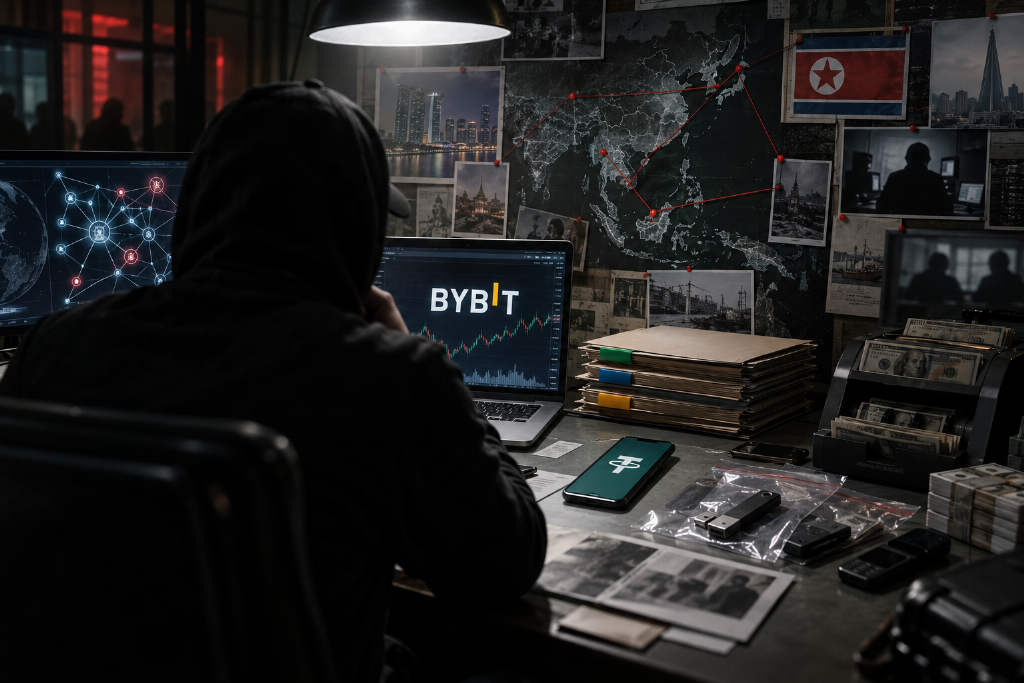
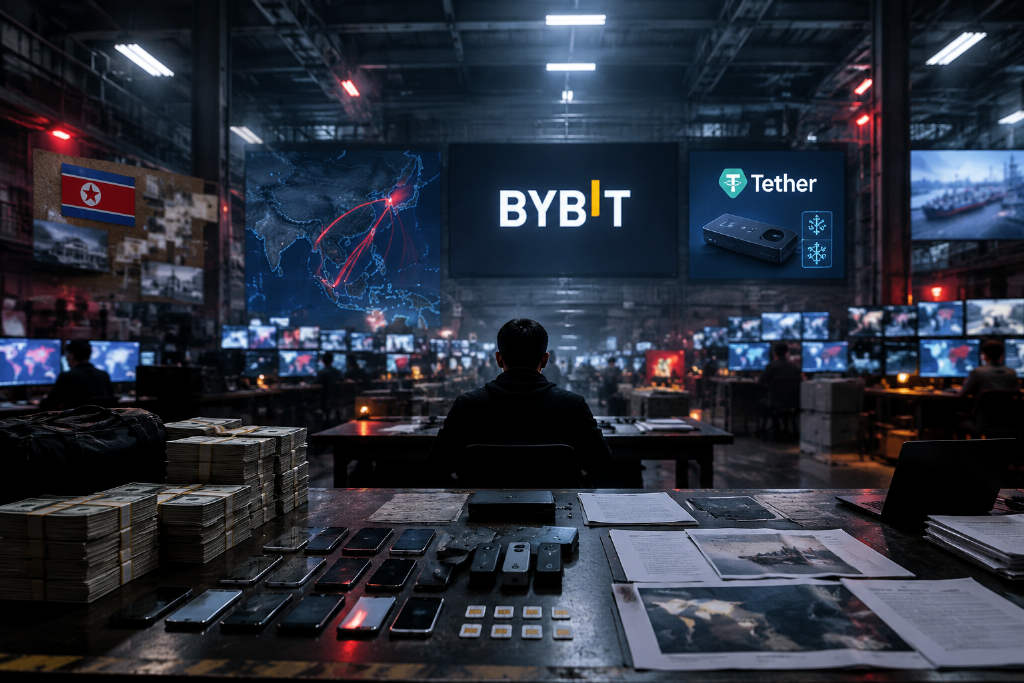
ZachXBT’s undercover probe into Bybit funds exposed a broader laundering network tied to North Korean hacks

Blockchain investigator ZachXBT said he deployed 349,700 USDC as an undercover customer to penetrate a Chinese-language laundering network linked to funds stolen in the February 2025 Bybit hack, which the FBI attributed to North Korean actors under the TraderTraitor label. According to his account, the operation helped trace more than $12 million in Bybit-related assets across multiple chains and contributed to the freezing of 442,000 USDT by Tether. The report draws a clear line between tracing, freezing, seizing and ultimately recovering stolen crypto, arguing that those figures should not be treated as interchangeable. The investigation also points to a much larger illicit financial services market that allegedly processed funds tied to Lazarus Group thefts. It places ZachXBT’s findings alongside U.S. enforcement actions against Huione Group and Xinbi Guarantee, two platforms described by authorities as key nodes for matching criminal clients with payment, exchange and settlement services. U.S. agencies said Huione laundered at least $4 billion in illicit proceeds between August 2021 and January 2025, while Treasury said Xinbi had handled more than $24 billion in digital asset and fiat transactions since around 2022. Together, the cases show that while websites, servers and channels can be shut down, the broker relationships that move stolen crypto into spendable value are harder to replace and remain a central pressure point for investigators.

1210
ZachXBT’s undercover probe into Bybit funds exposed a broader laundering network tied to North Korean hacks
Bybit
Oct 12, 2026

ZachXBT’s undercover probe into Bybit theft traced laundering routes tied to North Korean hackers

After roughly $1.5 billion in crypto was stolen from Bybit in February 2025, blockchain investigator ZachXBT said he spent 349,700 USDC to pose as a customer of a Chinese-language laundering network, accepting a 5% loss on each trade to gain access. He said the operation helped him trace more than $12 million linked to the Bybit case and contributed to Tether freezing 442,000 USDT. The report argues that the harder part of a major crypto theft is not the hack itself, but turning stolen tokens into fiat or other usable assets through payment services and trusted intermediaries. It also connects the Bybit case to a broader enforcement campaign by U.S. authorities against illicit financial infrastructure, including Huione Group and Xinbi Guarantee. Treasury and FinCEN actions cited in the report describe multibillion-dollar transaction flows, repeated migration by criminal clients from one platform to another, and a shift toward assets with fewer issuer controls after wallet freezes. The article’s central point is that stolen amounts, traced flows, converted purchasing power and recovered assets are separate figures, and that human intermediaries remain a critical choke point for both criminals and investigators.

1290
ZachXBT’s undercover probe into Bybit theft traced laundering routes tied to North Korean hackers
ZachXBT
Oct 12, 2026

ZachXBT says XRPL bug bounty was too low after critical flaw paid $250,000

On-chain investigator ZachXBT criticized the XRP Ledger Foundation’s bug bounty payout after resharing the foundation’s explanation of a previously disclosed critical security flaw. He said XRPL secures assets worth billions of dollars, yet the white hat hacker who found the issue received only $250,000. In his view, that level of compensation can weaken the incentive for security researchers to report serious vulnerabilities through responsible disclosure channels. He also argued it may push attackers toward exploiting a flaw for far larger gains instead of reporting it. The XRP Ledger Foundation had said earlier that the vulnerability could, in theory, bypass XRP’s total supply limit. At the same time, the foundation said it found no evidence that any extra XRP had been created because of the issue. The flaw has already been patched in version 3.4.1.

1080
ZachXBT says XRPL bug bounty was too low after critical flaw paid $250,000
MarsBit
Oct 10, 2026

MarsBit weekly picks spotlight Treasury volatility, SEC shifts and crypto market themes

MarsBit’s Weekly Editor’s Picks for Oct. 3 to Oct. 9 rounds up a broad set of long-form stories across macro markets, investing, AI infrastructure, prediction markets, regulation, DeFi, Ethereum treasury strategy, ecosystem trends and security. The selection highlights a roughly 12% gap between U.S. equity breadth and index pricing, arguing that the next move may hinge on Treasury volatility. It also points to the 10-year U.S. Treasury yield reaching 5.34%, a level described as the highest since 2002, and frames the selloff as a mix of policy credibility repricing, supply pressure from interest costs and crowded positioning. On the crypto policy side, the digest says the U.S. Securities and Exchange Commission has entered a “two-person era” after Hester Peirce’s departure, leaving Chair Paul Atkins and Commissioner Mark Uyeda. It also flags OKX’s push into the U.S. tokenized equities market through the SEC’s September “Innovation Exemption” route, while noting that synthetic offshore products would not satisfy rules requiring real dividend and voting rights. Other featured pieces cover Bitcoin bull-market drawdowns, Kyle’s long-term crypto asset framework, Aave’s proposed Cayman foundation, Hyperliquid’s prediction market design, BitMine’s Ethereum treasury cap, Robinhood Chain’s cooling meme activity, and ZachXBT’s account of infiltrating a money-laundering group tied to the laundering of most of the nearly $1.5 billion stolen from Bybit.

800
MarsBit weekly picks spotlight Treasury volatility, SEC shifts and crypto market themes
Circle
Oct 6, 2026

Circle’s DJ Khaled promo for USDC draws scrutiny over his past SEC settlement

Circle, the issuer of the $74 billion stablecoin USDC, posted a promotional image showing music producer DJ Khaled wearing Chelsea FC’s new USDC-sponsored shirt, and CEO Jeremy Allaire added a public welcome message. The post quickly triggered criticism because Khaled previously settled U.S. Securities and Exchange Commission charges tied to undisclosed promotion of initial coin offerings. Those charges were linked to Centra Tech, a $25 million ICO case that later led to prison terms for two co-founders. Protos said Khaled’s own X account did not mention any partnership with USDC. The outlet framed the episode as the latest in a run of awkward moments for Circle, pointing to the recent Arc blockchain launch and the promotion of a Duke-themed memecoin tied to Allaire’s dog. Protos also revisited a broader criticism of Circle: its handling of stolen USDC after major hacks. The report cited incidents involving SwapNet, GMX, ByBit, and Bitget, and noted claims by on-chain investigator ZachXBT that he had identified $420 million in what he described as compliance failures across 15 cases.

910
Circle’s DJ Khaled promo for USDC draws scrutiny over his past SEC settlement
ZachXBT
Oct 6, 2026

ZachXBT says Chinese-speaking laundering network helped North Korea-linked hackers move over $1 billion

On-chain investigator ZachXBT said he went undercover as an over-the-counter crypto client and spent 349,700 USDC to penetrate a Chinese-speaking criminal network allegedly used to launder funds for North Korea-linked hackers. He said the operation began after the $1.5 billion Bybit hack in February 2025, when he found at least 15 accounts in public Telegram and Discord groups seeking help with swap orders tied to the stolen funds. By accepting roughly 5% losses on each trade, he said he built trust with an operator using the alias Jimmy Green and was later given information about how the group handled flows linked to North Korean hacking proceeds. According to ZachXBT, that access helped him identify a cluster of more than $12 million in Bybit-related funds after Jimmy Green shared three Solana addresses. The assets moved across Bitcoin, Ethereum, Solana and Tron, making tracing harder. Tether later froze 442,000 USDT tied to the cluster, or about 3.7% of the identified amount. ZachXBT also linked parts of the network’s activity to funds associated with Poloniex, Bitget and Kelp DAO, and estimated that the group had processed more than $1 billion for Lazarus-linked hackers across multiple attacks, though he said no full public address list for that sum has been published and law enforcement has not formally confirmed all attributions.

1180
ZachXBT says Chinese-speaking laundering network helped North Korea-linked hackers move over $1 billion
Total 212 items
Go topage