Nvidia
Nov 13, 2026

PANews Commentary Examines Jensen Huang, Nvidia and AI Politics

A PANews commentary by Zuoye Waiboshan discusses Jensen Huang and Nvidia through the lens of US politics, corporate control and competition in artificial intelligence. The author claims Huang has left the CEO role and advances several theories about the reasons; the article does not independently substantiate those theories. It also discusses antitrust, chip policy and GPU mining. Its account of the timing of media reports contains inconsistent dates.

10
PANews Commentary Examines Jensen Huang, Nvidia and AI Politics
Nvidia
Nov 13, 2026

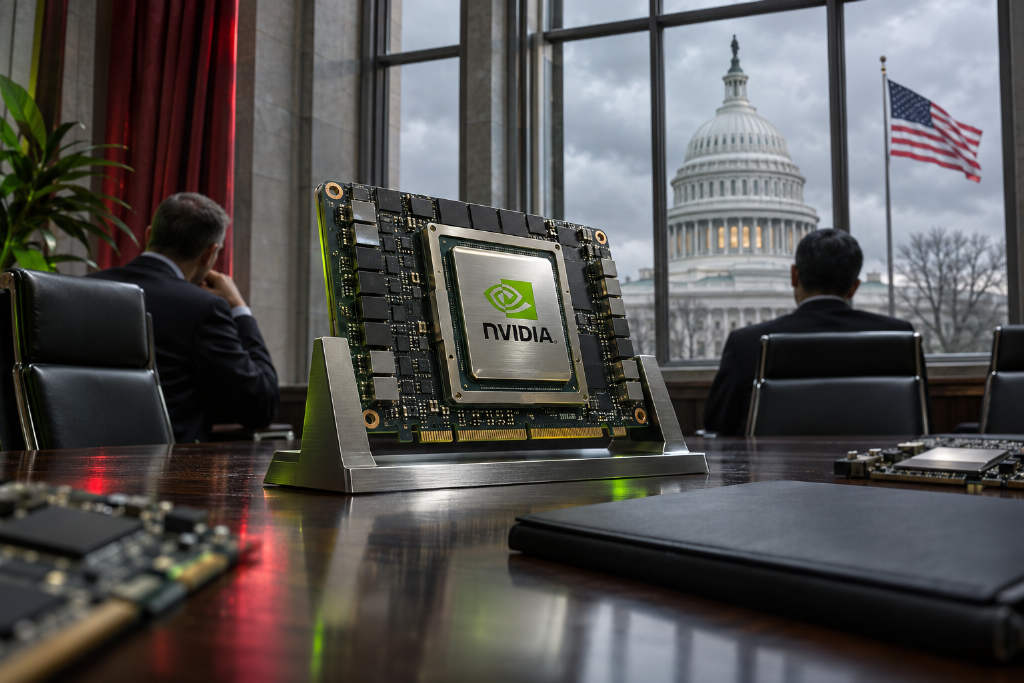
Michael Burry Urges Nvidia Bulls to Exit as Jensen Huang Leaves CEO Role

Michael Burry, the investor associated with The Big Short, has renewed his bearish view on Nvidia after founder Jensen Huang stepped down as president, chief executive officer and director on Nov. 12. Nvidia named CFO Colette Kress as interim CEO, appointed Harvey C. Jones as chairman and began the search for a permanent chief executive. The transition comes while Nvidia’s board investigates reports involving Huang’s personal relationships and related national-security concerns. The board said on Nov. 8 that it had hired outside legal counsel and had no reason at that time to believe US national security or company secrets had been harmed. Nvidia shares fell 4.34% to $166.19 on Nov. 12 and were down more than 30% from their October record high. AMD and Broadcom rose 5.86% and 5.54%, respectively. Burry argues that Huang’s departure could weaken Nvidia’s influence over customers, delay orders, trigger contract renegotiations and increase competitive pressure. He also questions Nvidia’s AI infrastructure financing and GPU sales model, while pointing to antitrust scrutiny by the US Department of Justice. Nvidia is scheduled to report fiscal third-quarter results for the period ended Oct. 25 on Nov. 17.

20
Michael Burry Urges Nvidia Bulls to Exit as Jensen Huang Leaves CEO Role
Google
Nov 4, 2026

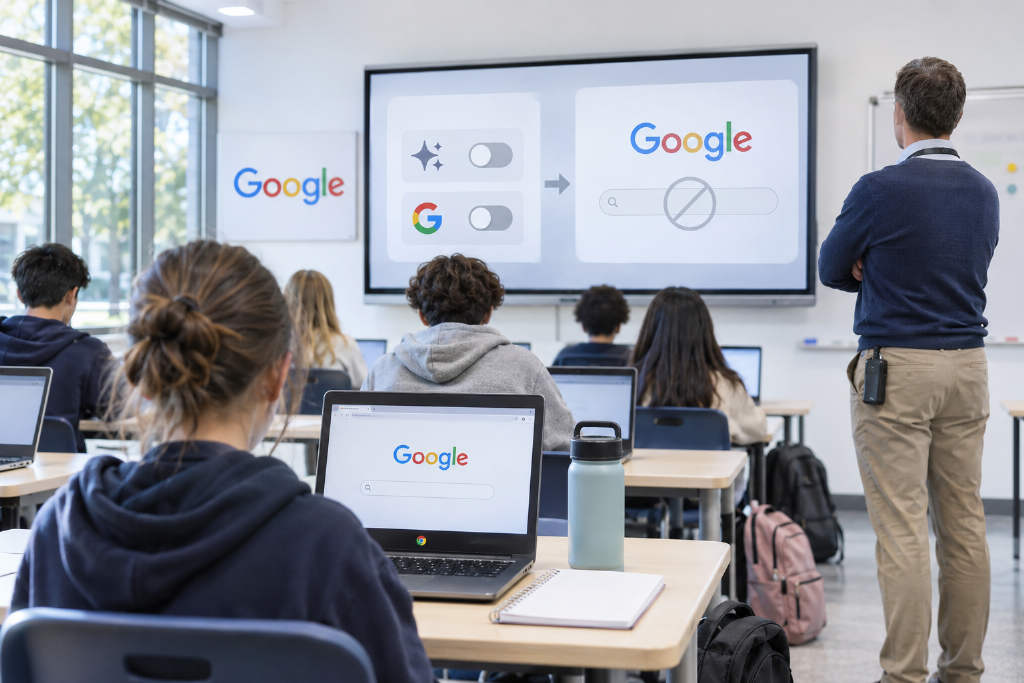
Google tells schools they can turn off AI, but not keep Search AI-free

Google said K-12 student accounts will have its AI tools turned off by default unless school administrators choose to enable them, but the company is not offering a version of Google Search without generative AI. Under the setup announced Tuesday, administrators will be able to manage Gemini, Gemini Notebook, Gemini in Classroom, and Search separately. That allows schools to block standalone chatbot products while still keeping Search, yet it does not let them strip AI out of Search itself. The policy has triggered criticism from educators and public officials who argue Google is using its position in schools and its dominance in search to push AI into classrooms before many districts have decided how to regulate it. Google says the changes are meant to address concerns that AI chatbots can short-circuit learning by handing students ready-made answers. Still, according to reports cited in the original story, schools that enable Search starting in early 2027 will have to choose between versions that include standard AI features such as AI Overviews and AI Mode or an education-focused Guided Learning experience. Neither option restores the traditional search experience without generative AI.

970
Google tells schools they can turn off AI, but not keep Search AI-free
Google
Nov 4, 2026

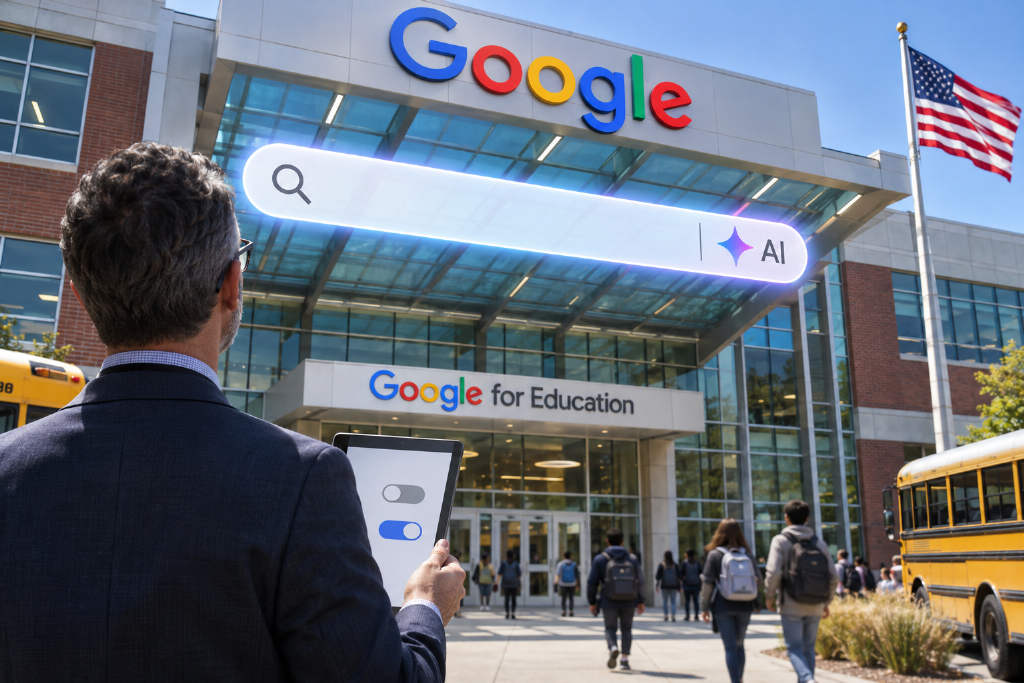
Google sets AI off by default for K-12 accounts, but schools cannot keep search free of AI

Google said Tuesday that its AI products will be turned off by default for K-12 student accounts unless school administrators choose to enable them. The company also said admins can separately manage Gemini, Gemini Notebook, Gemini in Classroom, and Search. That gives schools a way to block standalone chatbot tools while keeping search available, but it does not let them strip AI out of search itself. Chris Phillips, Google’s vice president and general manager for education, told educators that search and AI are now tightly integrated, and schools uncomfortable with AI can opt not to enable search at all. According to The New York Times, starting in early 2027, schools that enable search will receive either a version with standard AI features such as AI Overviews and AI Mode or an education-focused Guided Learning experience. Neither option includes a traditional search product without generative AI. The plan has drawn criticism from New York City Mayor Zohran Mamdani and former Federal Trade Commission Chair Lina Khan. New York City already has a one-year ban on generative AI for students in eighth grade and below, affecting nearly 600,000 students, while Los Angeles has also limited the technology.

970
Google sets AI off by default for K-12 accounts, but schools cannot keep search free of AI
Meta
Oct 30, 2026

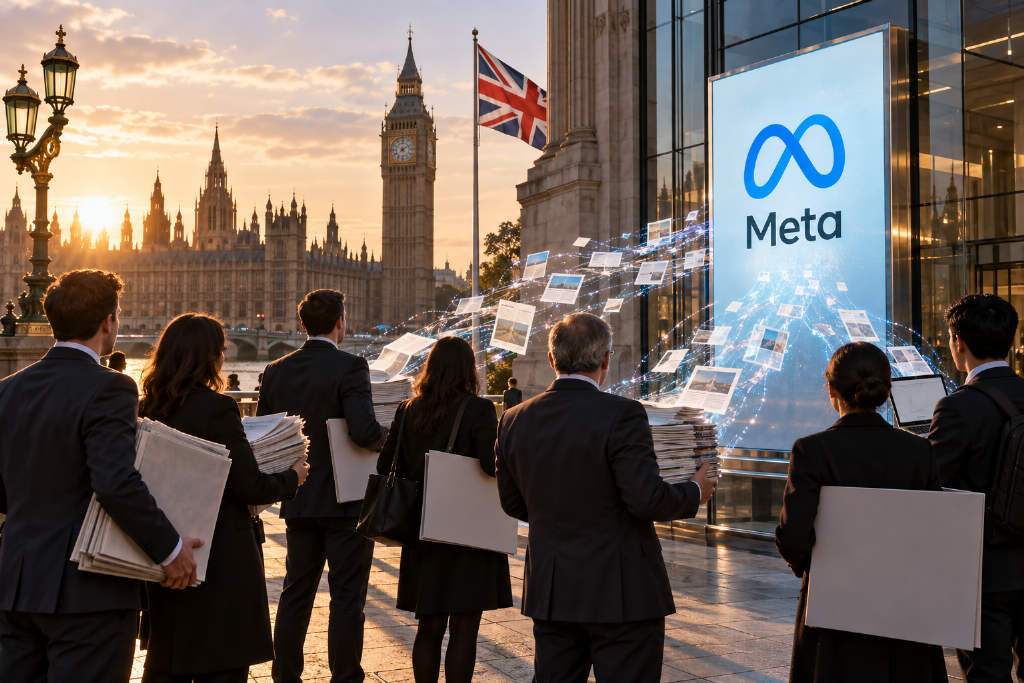
UK antitrust probe targets Meta business terms over AI content use

Meta Platforms is facing a UK competition investigation over business terms that regulators say may impose "exploitative" conditions on publishers and advertisers using its platforms. The UK Competition and Markets Authority said Friday it will examine whether Meta abused a dominant market position through those terms in a way that could "unfairly harm" businesses that rely on its services. The regulator also said Meta had planned to revise the terms from Nov. 20, but that rollout has now been paused. Under the terms in question, Meta could potentially collect content from publishers' websites without first obtaining consent, then use that material to develop and offer its own products and services, including AI features. Responding to the probe, Meta said there was no reason to open a competition investigation and added that it had already committed not to change the terms before consulting publishers and other stakeholders. The report was cited to Bloomberg.

1010
UK antitrust probe targets Meta business terms over AI content use
Elon Musk
Oct 23, 2026

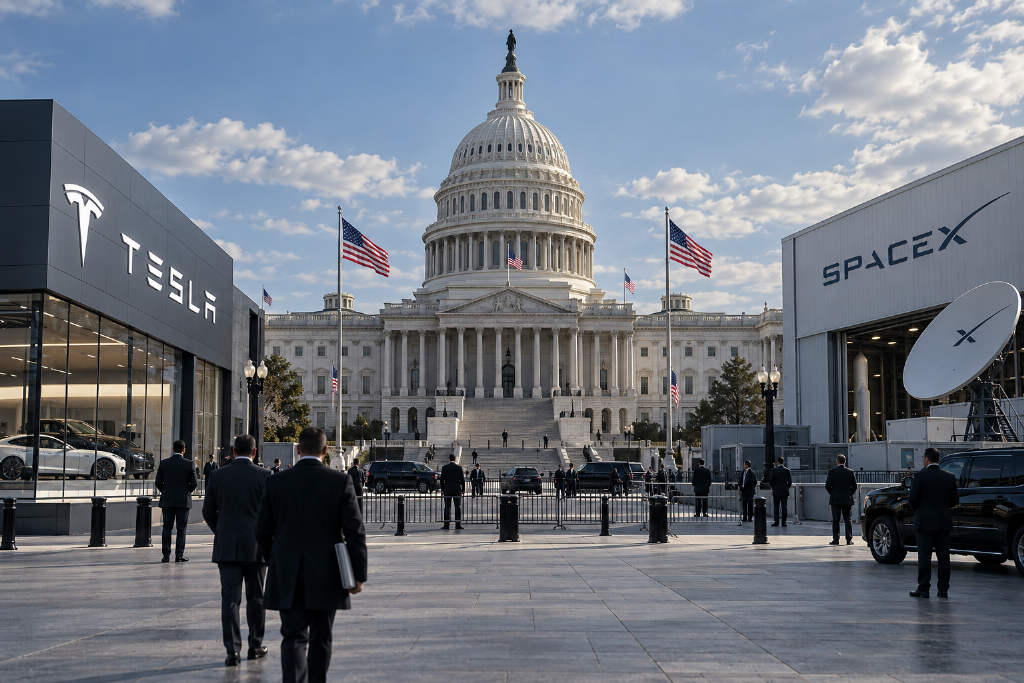
Semafor says Musk floated a Tesla-SpaceX merger, raising antitrust questions

Elon Musk has floated a proposal this week to merge Tesla and SpaceX, according to U.S. financial outlet Semafor. The report says the idea, while still hypothetical, carries real antitrust risk. A former Justice Department official told Semafor that regulators often view vertical mergers as capable of improving supply-chain efficiency and supporting competition, but they could still move to block a deal if Tesla and SpaceX were seen as a vertically exclusionary combination. Semafor illustrated that concern with a scenario in which only Tesla vehicles could use SpaceX technologies such as Starlink, potentially harming rival autonomous-driving or electric-vehicle makers. The report added that the outcome would depend on the terms of any deal and on whether U.S. antitrust enforcers aligned with Donald Trump’s position would be willing to challenge Musk, whom it described as a major Republican donor. Even so, Semafor said Musk could face congressional scrutiny if Democrats retake control of the House next month.

940
Semafor says Musk floated a Tesla-SpaceX merger, raising antitrust questions
UK
Oct 20, 2026

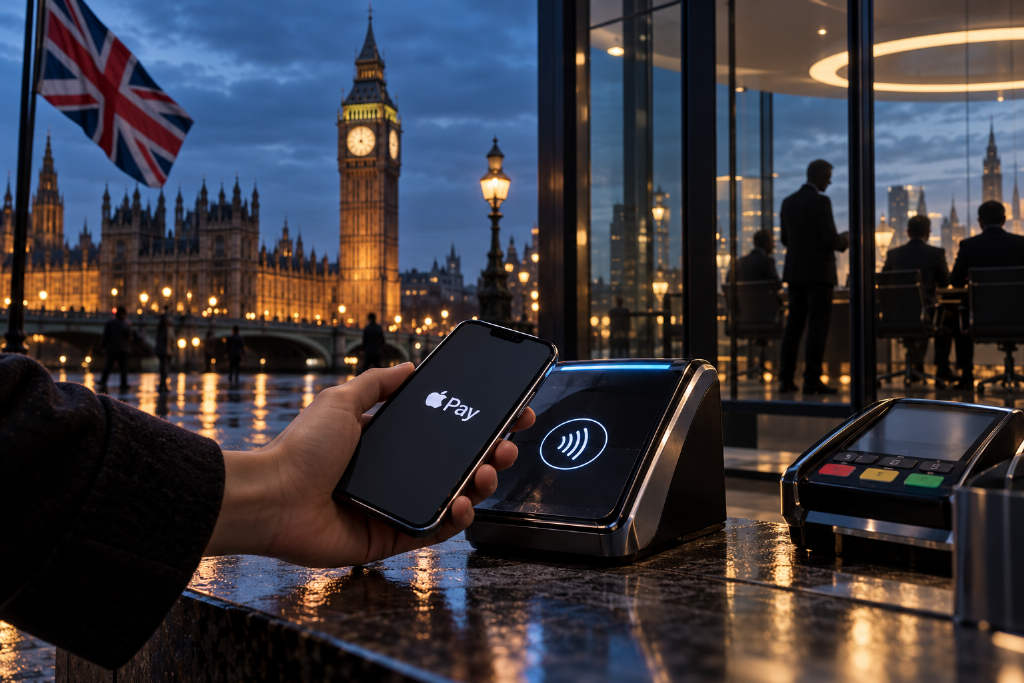
UK CMA proposes forcing Apple to open iPhone NFC access

The UK Competition and Markets Authority said Apple’s control over the iPhone is limiting competition from fintech companies trying to rival Apple Pay. The regulator has proposed requiring Apple to open access to the iPhone’s near-field communication, or NFC, technology. The development points to a direct challenge to how Apple manages wallet-related functions on its devices in the UK market. Bloomberg reported the proposal, and the item was cited by Techub. No additional implementation timeline or enforcement details were provided in the source brief.

1420
UK CMA proposes forcing Apple to open iPhone NFC access
Total 37 items
Go topage