NVIDIA
Nov 12, 2026

NVIDIA Off-Balance-Sheet Commitments and Guarantees Rise to $530 Billion

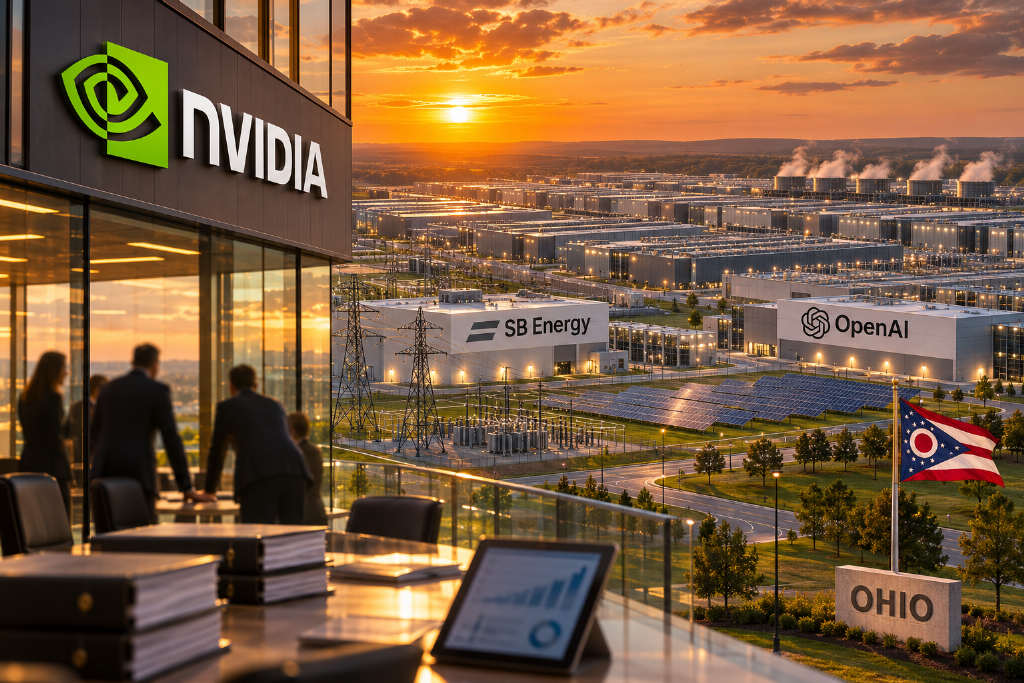
NVIDIA’s off-balance-sheet commitments and guarantees rose to $530 billion in its fiscal second quarter ended July 26, 2026, nearly three times the previous quarter’s $184 billion. SemiAnalysis identified supply and capacity commitments as the largest item, at approximately $279 billion. The total also included a $105 billion lease guarantee cap tied to an SB Energy campus in Ohio leased to an OpenAI affiliate, and approximately $36 billion in neocloud purchase commitments.

20
NVIDIA Off-Balance-Sheet Commitments and Guarantees Rise to $530 Billion
SK HYNIX
Oct 28, 2026

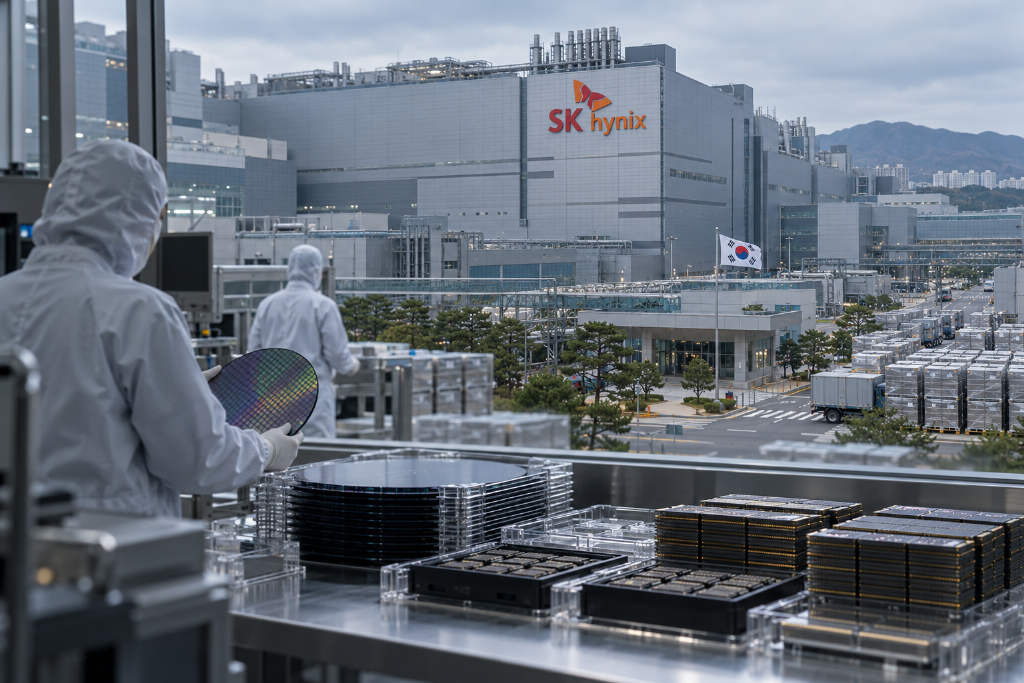
Analyst says SK HYNIX DRAM and HBM supply is nearly sold out through 2029

According to Odaily, Citrini analyst jukan said in a post on X that SK HYNIX has nearly sold out its DRAM and HBM supply for the next three years through 2029. He added that about 50% of the company’s capacity for 2027 to 2028 has already been covered by long-term agreements, and that SK HYNIX expects to keep a similar share under such contracts going forward. The update points to tight forward supply for key memory products, based on the analyst’s statement cited by Odaily.

870
Analyst says SK HYNIX DRAM and HBM supply is nearly sold out through 2029
SpaceX
Oct 20, 2026

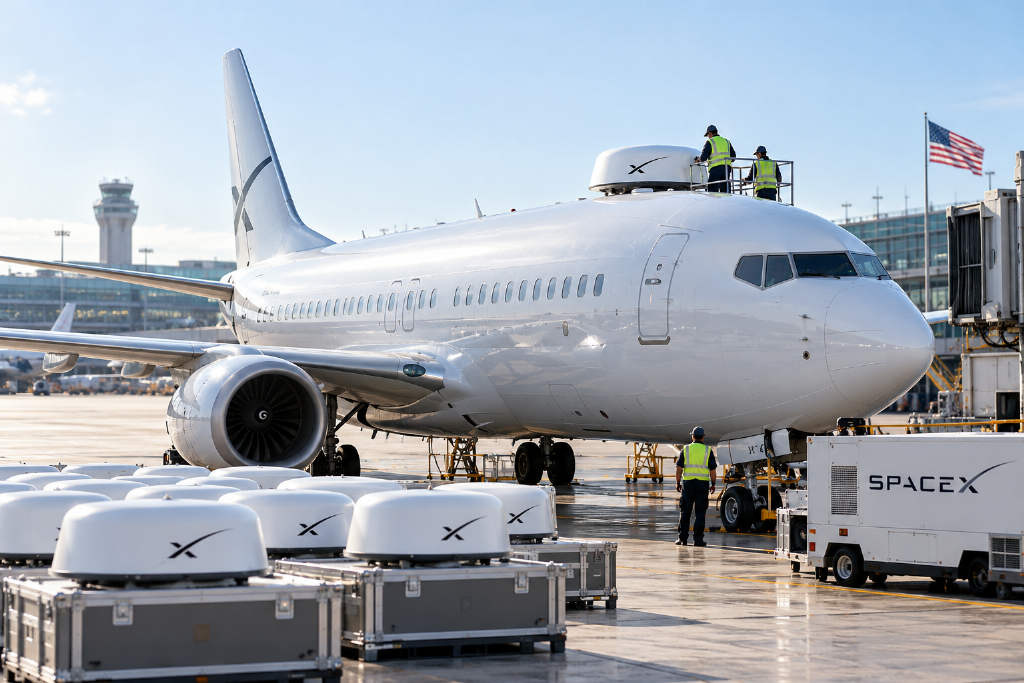
SpaceX COO says Starlink aviation capacity has quadrupled since the start of the year

According to a ChainCatcher newsflash, a SpaceX chief operating officer said Starlink’s aviation business capacity has increased to four times its earlier level since the beginning of the year. The brief item did not include additional operational details, a more specific timeline, or supporting figures beyond the stated increase. The update was published as a 7x24 newsflash by ChainCatcher.

1060
SpaceX COO says Starlink aviation capacity has quadrupled since the start of the year
TSMC
Sep 3, 2026

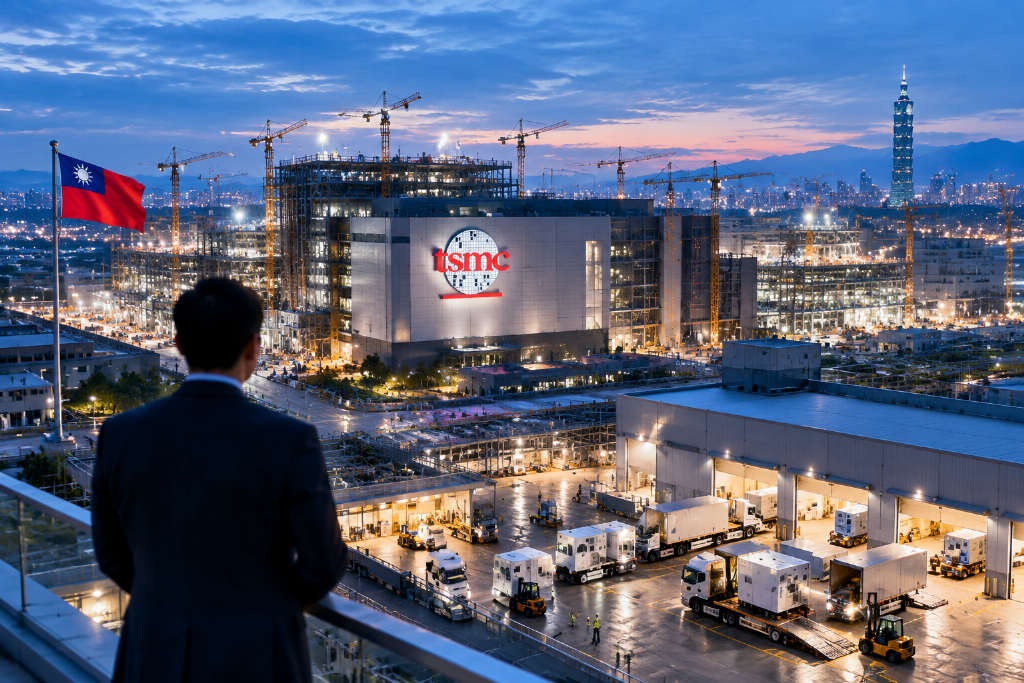
TSMC executive says AI demand nearly doubled in six months, straining supply capacity

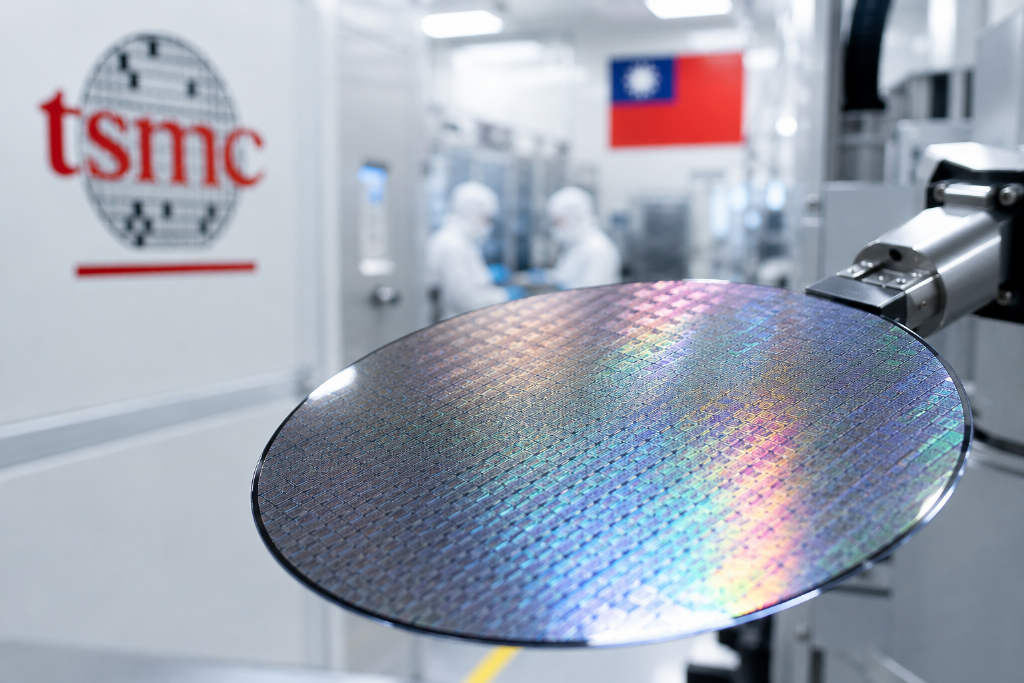
TSMC Senior Vice President and Deputy Co-COO Hou Yung-ching said on Sept. 2 that changes in AI demand are moving far faster than the industry has seen in the past. Using TSMC’s own equipment needs as an example, he said the company’s estimate for equipment required this year was set at 1x at the end of last year, raised to 1.5x after just one quarter, and reached 1.9x by July. That means demand nearly doubled within half a year. Hou said the semiconductor industry has not faced demand shifts at this speed in the past 30 years. He said the sector now has to provide nearly twice the originally expected level of equipment, capacity, and resources within a very short period. TSMC is currently building 13 fabs in Taiwan and about five to six overseas, bringing its global total close to 20. Even with construction activity running at roughly three to four times past levels, he said the company still cannot fully meet customer demand. He added that the AI era requires optimization at the system or module level, and that relay-style cooperation is no longer enough. In his view, the supply chain now needs to be rebuilt into a more tightly integrated model, while the broader ecosystem is still unprepared for growth at this pace.

720
TSMC executive says AI demand nearly doubled in six months, straining supply capacity
AMD
Oct 6, 2026

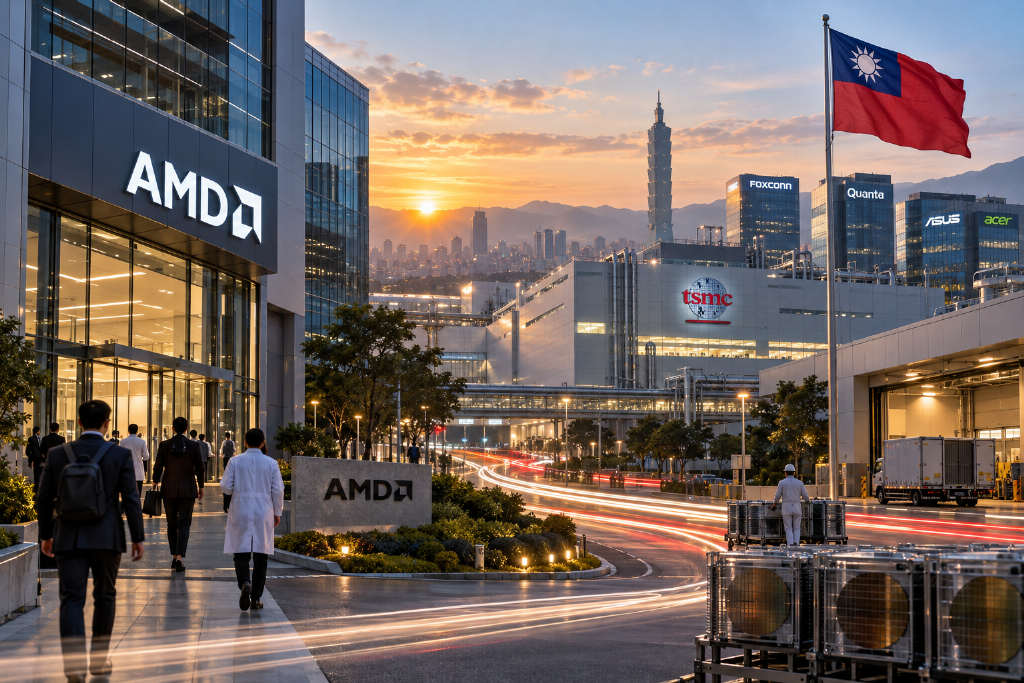
AMD to expand its $10 billion Taiwan investment plan, Lisa Su says

AMD Chief Executive Officer Lisa Su has recently met with several major manufacturers in Taiwan, including Hon Hai, Quanta, Asus and Acer, and also held talks with Taiwan Semiconductor Manufacturing Co. (TSMC). Su confirmed that AMD will increase its existing $10 billion investment plan in Taiwan as demand continues to surge. According to the report cited by ChainCatcher, AMD plans to keep expanding its supply-chain investment in Taiwan. The company is also working with TSMC and other suppliers to raise production capacity at a faster pace. Su said the move is tied to a market environment in which demand is running ahead of supply. The company is responding by accelerating capacity expansion with its manufacturing and supply partners in Taiwan.

890
AMD to expand its $10 billion Taiwan investment plan, Lisa Su says
MLCC
Aug 10, 2026

AI Demand Triggers MLCC Supply Crunch, Buyers Pay Up to Triple Prices

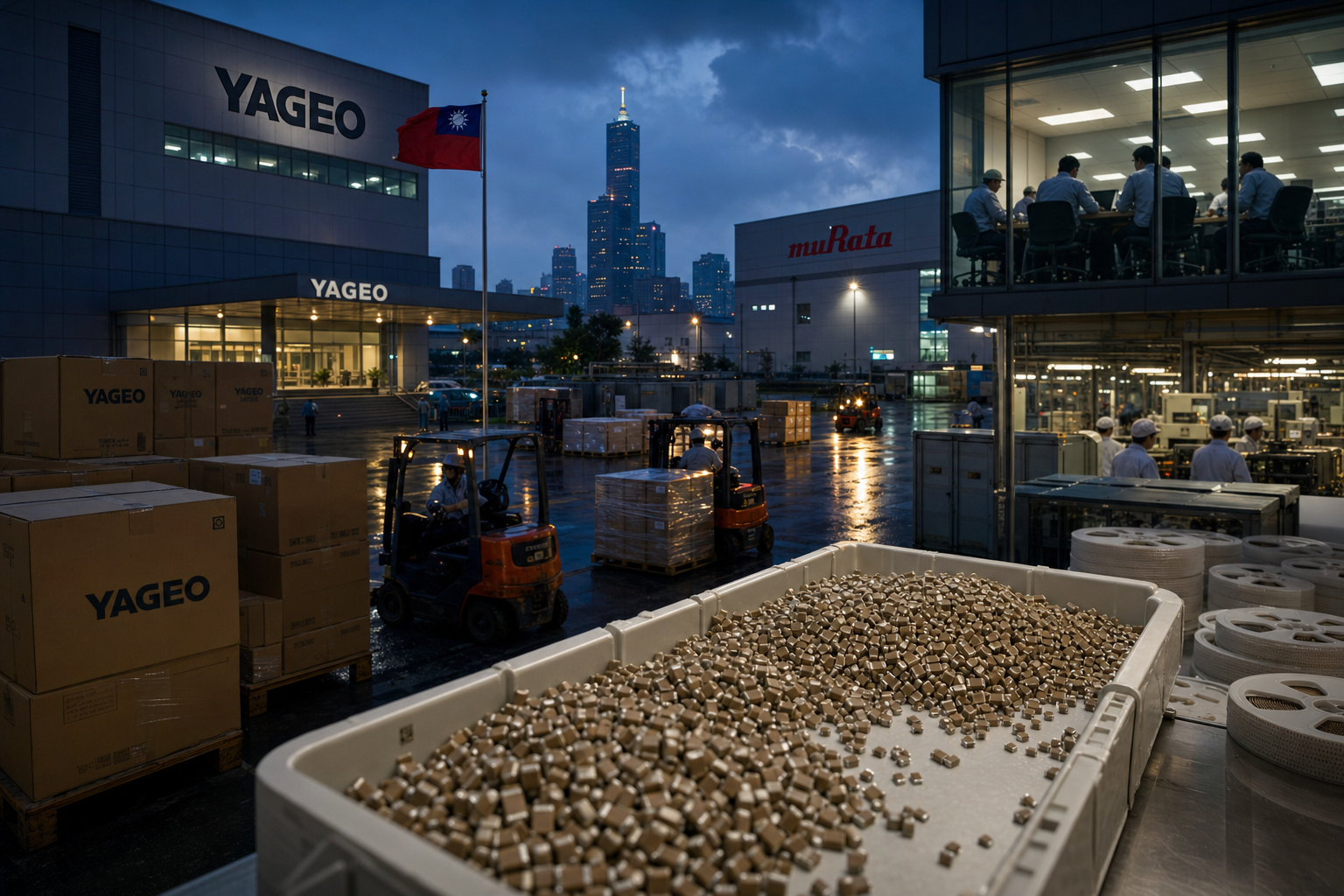
Strong AI demand is tightening the market for multilayer ceramic capacitors (MLCCs), with some customers paying two to three times normal prices to secure supply from major makers such as Yageo and Murata. Delivery lead times have now extended to 12–16 months. Yageo said capacity utilization is climbing, with standard products expected to hit above 90% this quarter from roughly 80% and specialty products staying high, pushing the company closer to full loading. A growing number of AI-related clients are seeking long-term agreements to lock in capacity for six months or even years. Yageo is expanding output in Kaohsiung, Suzhou, Vietnam and Mexico. Large MLCC makers are prioritizing big customers and long-standing partners, leaving smaller buyers with tighter supply and forcing them to scramble and pay premiums. Meanwhile, Japanese suppliers Murata and Taiyo Yuden have raised their outlooks, citing stronger-than-expected demand from AI servers and data centers that is boosting use of high-capacitance parts.

2690
AI Demand Triggers MLCC Supply Crunch, Buyers Pay Up to Triple Prices
CXMT
Aug 9, 2026

CXMT Hits Capacity Limit This Year; HP and Acer Move to Secure More Chip Supply

Citrini analyst jukan said in a post on X (formerly Twitter) that, according to The Wall Street Journal, ChangXin Memory Technologies (CXMT) has reached its capacity ceiling this year, leaving virtually no room to accept new international customers. HP and Acer have already obtained only limited volumes of memory chips from the Chinese memory chipmaker and are looking to lock in more supply for next year. The report said many of CXMT's products are priced at roughly the same price level as comparable memory chips from Micron, SK Hynix and Samsung, and some carry higher price tags. U.S. federal regulations prevent Apple from ordering custom chips from CXMT, so Apple can only use off-the-shelf components. If Apple uses CXMT's standard memory chips, it may have to redesign some of its products. Jukan's comments, which cited The Wall Street Journal report, were posted on X and relayed by Odaily Planet Daily.

2280
CXMT Hits Capacity Limit This Year; HP and Acer Move to Secure More Chip Supply