Sierra Club
Oct 28, 2026

Sierra Club says US data center growth could lift emissions 42% by 2030

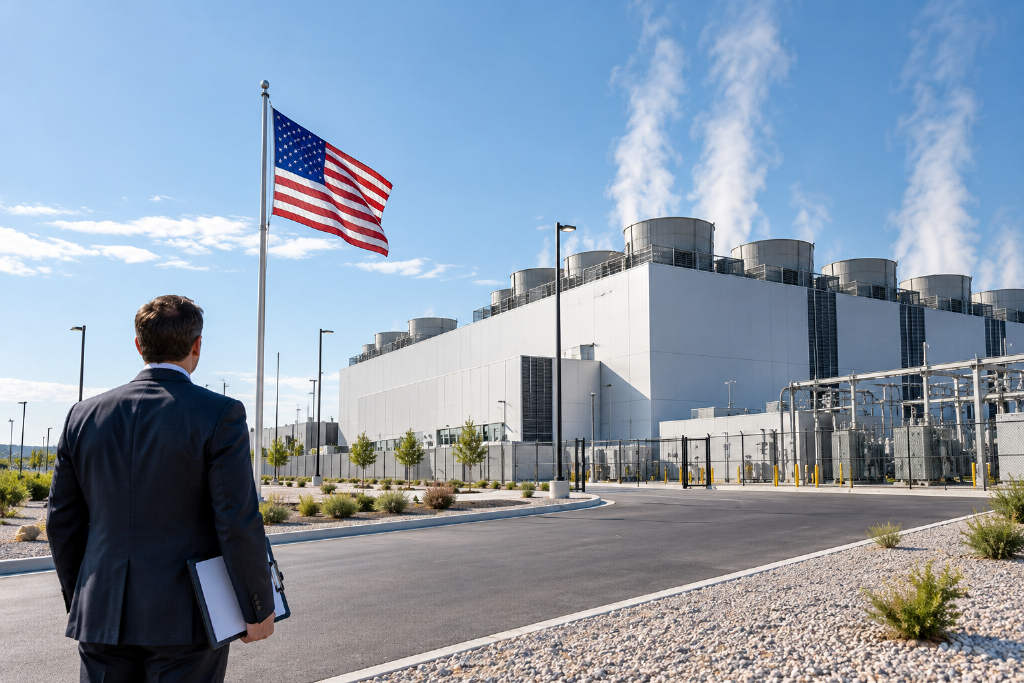
Environmental group Sierra Club said the expansion of data centers in the United States could increase emissions by 42% by 2030. The group said such growth could weaken broader emissions-reduction efforts and may trigger regulatory action aimed at limiting the environmental impact tied to that buildout. The item was carried by Techub News, citing Crypto Briefing. No additional figures or policy details were disclosed in the source brief. The report frames the issue as a potential regulatory concern as data center capacity continues to expand, with Sierra Club focusing on the emissions implications rather than operational or market effects. The source note did not specify which emissions categories were included in the estimate, nor did it name any agencies that might take action.
520
Sierra Club says US data center growth could lift emissions 42% by 2030
Nepal
Sep 3, 2026

Techub says Nepal hydropower dam dispute is unrelated to Web3

Techub said the item in question is not a Web3 story but a commentary on hydropower development in Nepal. The piece was written by Bloomberg columnist David Fickling and focuses on how hydropower projects can sit between flood control needs and environmental protection concerns. It also looks at the impact of dam construction on local communities, the state of development after international development banks pulled back, and the trade-offs between run-of-river generation and storage reservoirs. Based on Techub’s summary, the article belongs to the category of traditional energy policy and environmental debate rather than crypto or Web3.

1640
Techub says Nepal hydropower dam dispute is unrelated to Web3
Pennsylvania
Aug 18, 2026

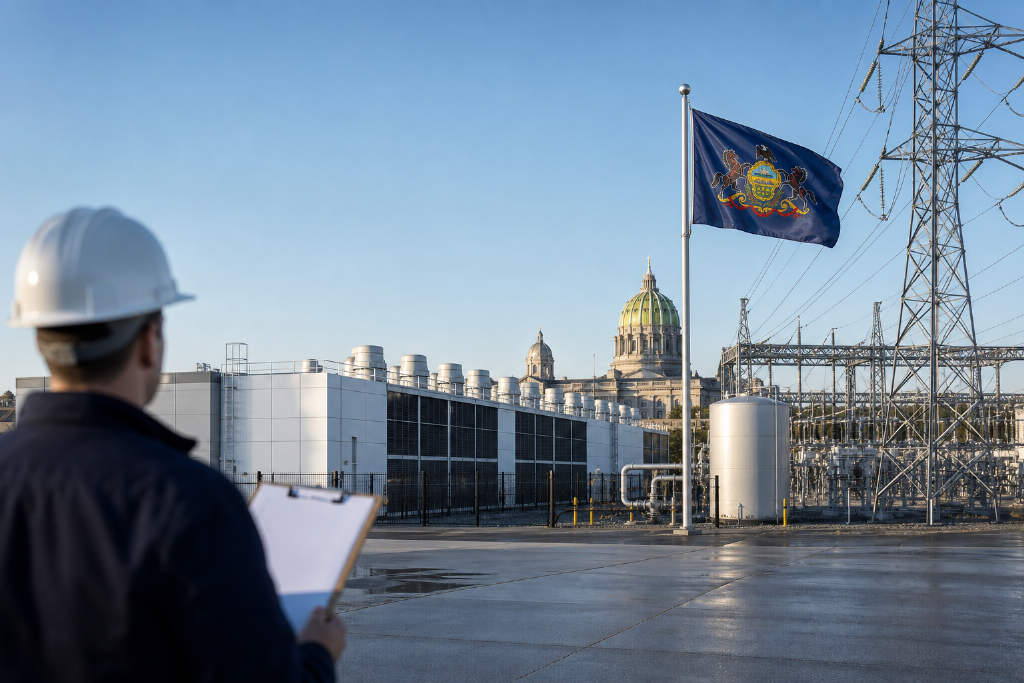
Pennsylvania Tightens Rules for AI Data Centers, Orders Grid Cost Accountability

Pennsylvania Governor Josh Shapiro on Tuesday signed Executive Order 2026-05, setting new restrictions for large AI data centers and tying streamlined state review to a stricter set of environmental, energy, workforce, community, and local approval requirements. The order applies to facilities with peak electricity demand above 25 megawatts and is aimed in part at making developers bear some of the costs their projects impose on the state’s electrical grid. The move also removes data centers from Pennsylvania’s Permit Fast Track Program and bars state agencies from signing non-disclosure agreements connected to data center projects. The state will publish a public map of proposed facilities and require operating data centers to file annual reports on energy and water consumption starting in July 2027. Shapiro said the state would not allow developers to raise utility bills, ignore clean air and water protections, or pressure communities into accepting projects they oppose. The order also tells Pennsylvania’s Special Counsel for Energy Affordability to pursue utility rules that would require data centers to cover certain grid costs and face curtailment first in some emergencies unless they secure enough power to meet demand. The action comes as resistance to AI data centers grows across the U.S., with local communities pushing back over power use and environmental strain.

1780
Pennsylvania Tightens Rules for AI Data Centers, Orders Grid Cost Accountability
AI
Jul 31, 2026

AI Developer Sues Kentucky City Over Moratorium Blocking Data Center Near Mammoth Cave

Kentucky Industrial Alliance has sued Cave City after local officials approved a one-year moratorium on new data centers shortly after the company submitted plans for a $4.8 billion AI and cloud computing campus near Mammoth Cave National Park. The proposed project would span 600 acres north of downtown and carry 1.2 gigawatts of planned capacity. The developer has filed two lawsuits, one challenging the moratorium and another disputing the city’s 2024 annexation of the site, arguing the land should sit outside city limits and beyond the reach of the restriction. Local officials say they need time to review a project of that scale, while the company says the campus would bring billions in investment, about 360 direct and indirect jobs, and millions of dollars in annual tax revenue. The dispute also reflects a wider national pushback against AI infrastructure, with several states weighing curbs on new data centers over pressure on communities, power grids, and nearby protected landscapes.

2570
AI Developer Sues Kentucky City Over Moratorium Blocking Data Center Near Mammoth Cave