BBC warns AI-generated faces are becoming a new risk in online job scams
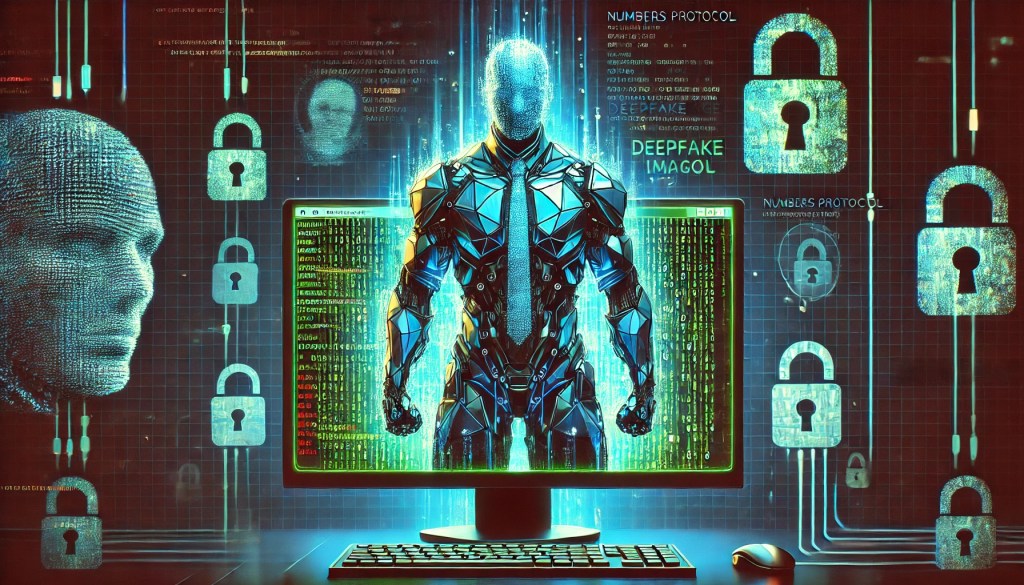
The BBC has published an interactive test asking readers to tell real human faces from AI-generated ones, and its main takeaway is not that synthetic faces are flawless, but that people tend to overestimate their ability to spot them. That gap is turning deepfakes into a practical tool for social-engineering attacks tied to online hiring.
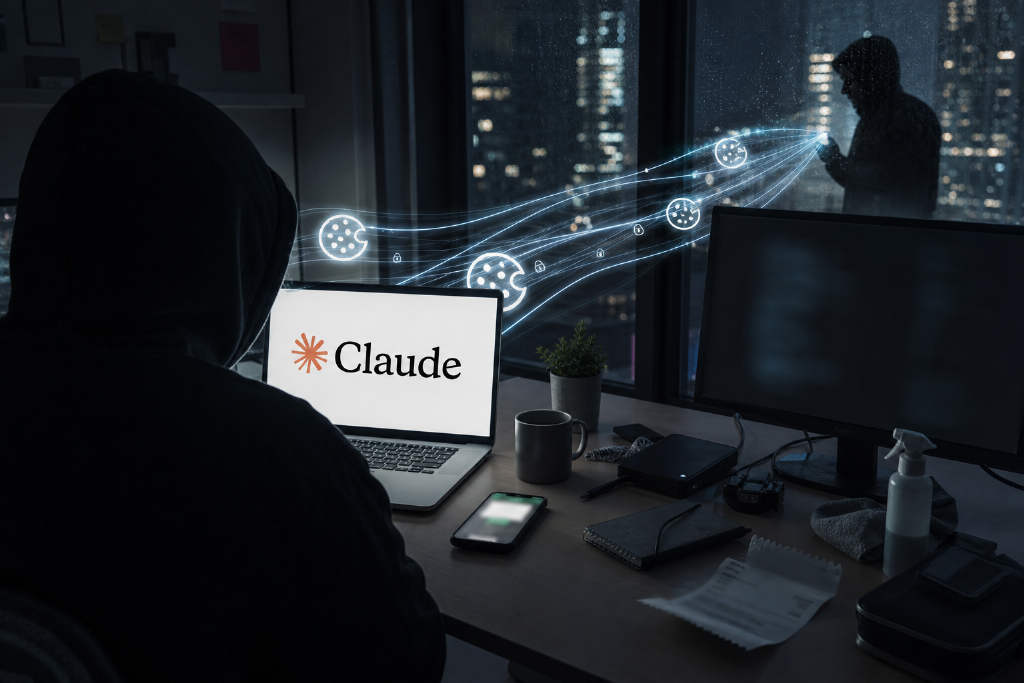
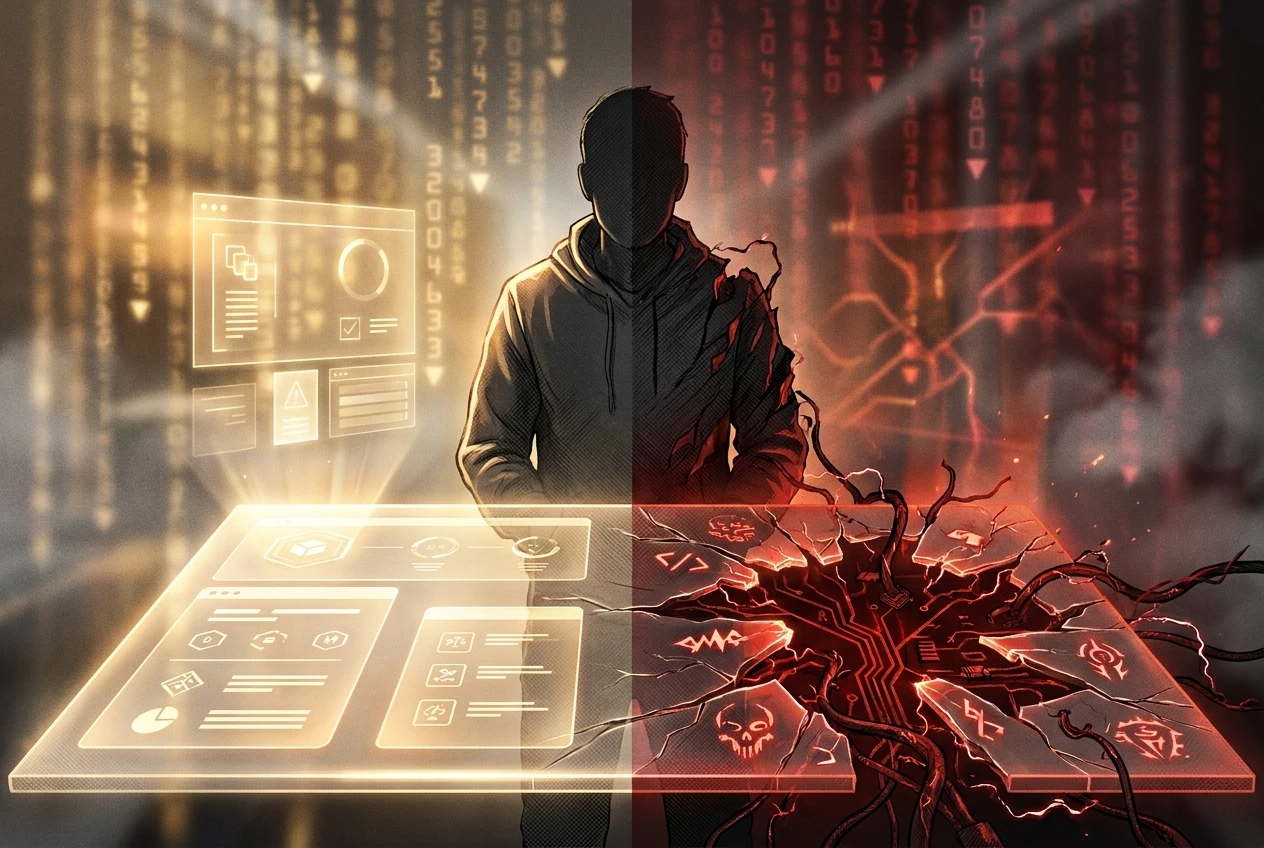
The report says fake recruitment outreach has become an effective lure, especially for people working in tech, Web3, and AI. Attackers often pose as recruiters, well-known companies, or startup hiring teams on LinkedIn, X, and Telegram, offering attractive remote roles and salaries. Once a target agrees to interview, they may be asked to download an “interview app,” install a meeting tool, open a macro-enabled file, or run a coding test that actually contains malware or an infostealer.
The BBC also cites research from the Australian National University showing that participants identified AI faces with an accuracy rate of about 41%. According to the report, today’s most convincing AI faces often look suspicious not because they appear broken, but because they seem too symmetrical, too polished, and too statistically perfect.