CFTC
Sep 3, 2026

CFTC Files Motion to Dismiss CME Crypto Perpetual Futures Lawsuit

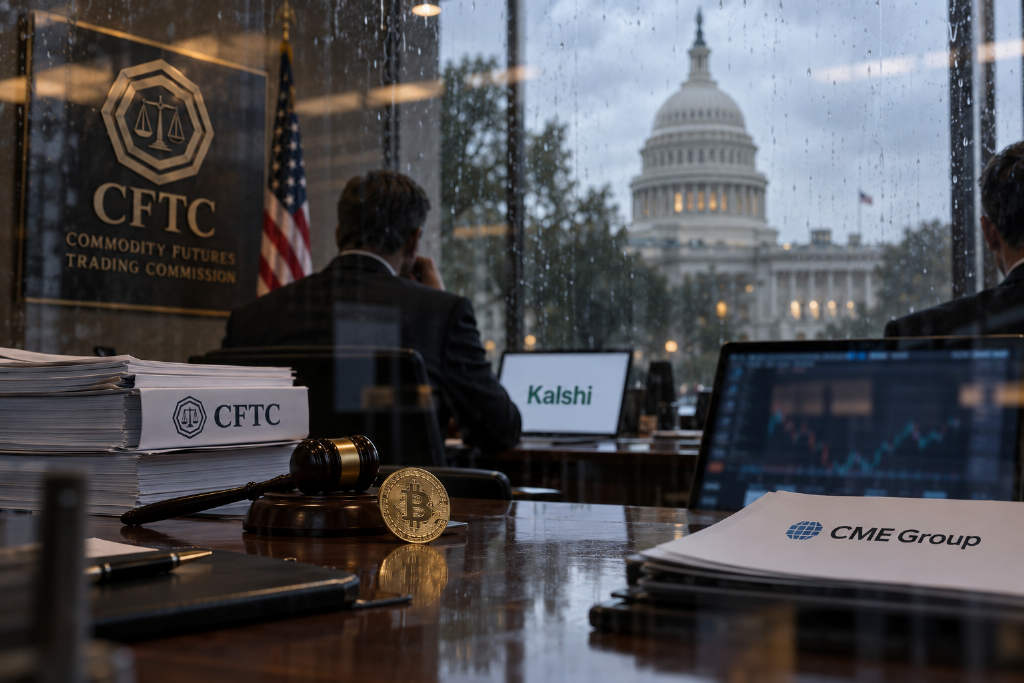
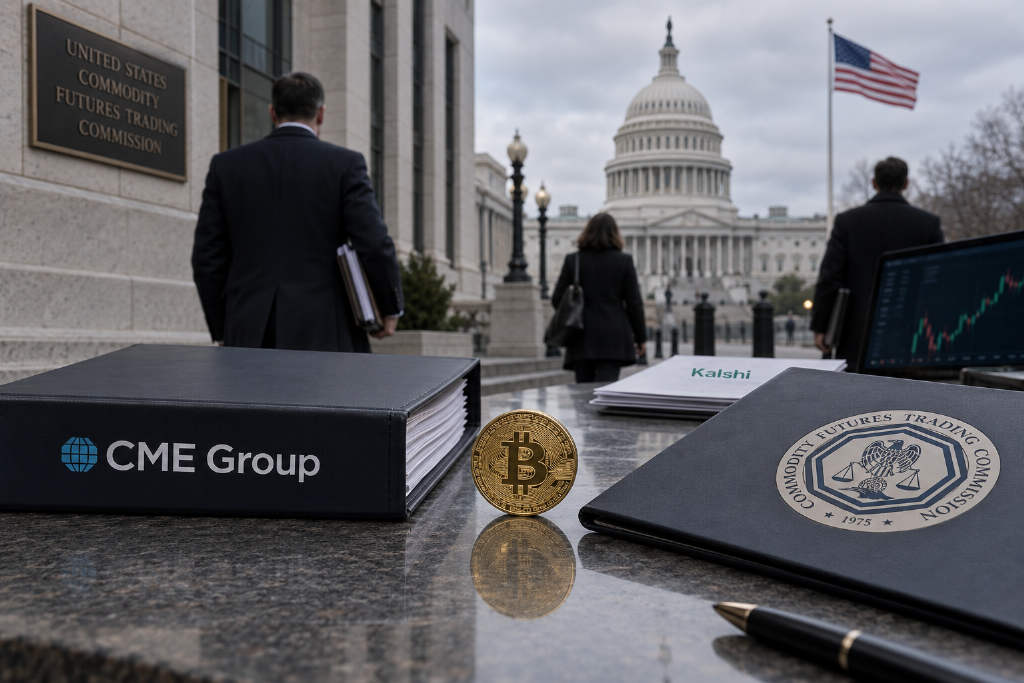
According to a ChainCatcher report, Hyperliquid policy center chief executive Jake Chervinsky disclosed on X that the U.S. Commodity Futures Trading Commission (CFTC) has filed a motion to dismiss CME's lawsuit over crypto perpetual futures. The motion argues CME lacks legal standing. Because CME itself can also offer perpetual futures, any damage it claims would be self-inflicted. Chervinsky relayed the CFTC's characterization of the case as “much ado about nothing.”

710
CFTC Files Motion to Dismiss CME Crypto Perpetual Futures Lawsuit
CFTC
Sep 3, 2026

CFTC Moves to Dismiss CME Suit Over Kalshi Bitcoin Perpetuals

The U.S. Commodity Futures Trading Commission (CFTC) has filed a motion to dismiss CME's suit over perpetual contracts. In its filing, the CFTC argues that CME lacks standing to pursue the case. The agency points out that CME itself could offer perpetual contracts, so the harm CME describes would be self-inflicted rather than caused by the CFTC's actions. The dispute traces back to CME's earlier plan to sue the CFTC. CME objected to the regulator's decision to allow Kalshi to offer bitcoin perpetual contracts. The CFTC's new motion asks the court to reject CME's legal action on standing grounds. The regulator says CME cannot show a genuine injury when it could have launched similar contracts itself. The case centers on CFTC approval for Kalshi's bitcoin perpetual offering and CME's attempt to challenge that approval. CME had planned to fight the green light in court, and the CFTC is now asking for dismissal. The filing follows CME's planned challenge to the CFTC's decision.

640
CFTC Moves to Dismiss CME Suit Over Kalshi Bitcoin Perpetuals
CFTC
Sep 3, 2026

CFTC Files Motion to Dismiss CME Perpetual Contract Lawsuit

On September 3, the U.S. Commodity Futures Trading Commission (CFTC) filed a motion to dismiss the lawsuit filed by CME Group regarding perpetual contracts. The motion argues that CME lacks standing in the case, asserting that CME itself could also offer perpetual contracts, and therefore any alleged harm is self-inflicted. This development follows earlier reports that CME planned to sue the CFTC over the agency's approval of Kalshi's bitcoin perpetual contracts. The CFTC's motion contends that CME cannot demonstrate a concrete injury. According to BlockBeats, the filing was made on September 3, 2026. The regulator's position is that CME's own potential to enter the perpetual contract market undermines its claim of injury. The dispute centers on the CFTC's decision to allow Kalshi to offer bitcoin perpetual contracts, which CME opposed. The CFTC now seeks to have the case dismissed, arguing that CME's lawsuit has no legal basis. The motion highlights that CME could have pursued similar products, making its alleged damages self-caused.

740
CFTC Files Motion to Dismiss CME Perpetual Contract Lawsuit
Copyright
Sep 2, 2026

Trump Administration Intervenes in NYT vs. OpenAI Copyright Case, Backs Fair Use Argument

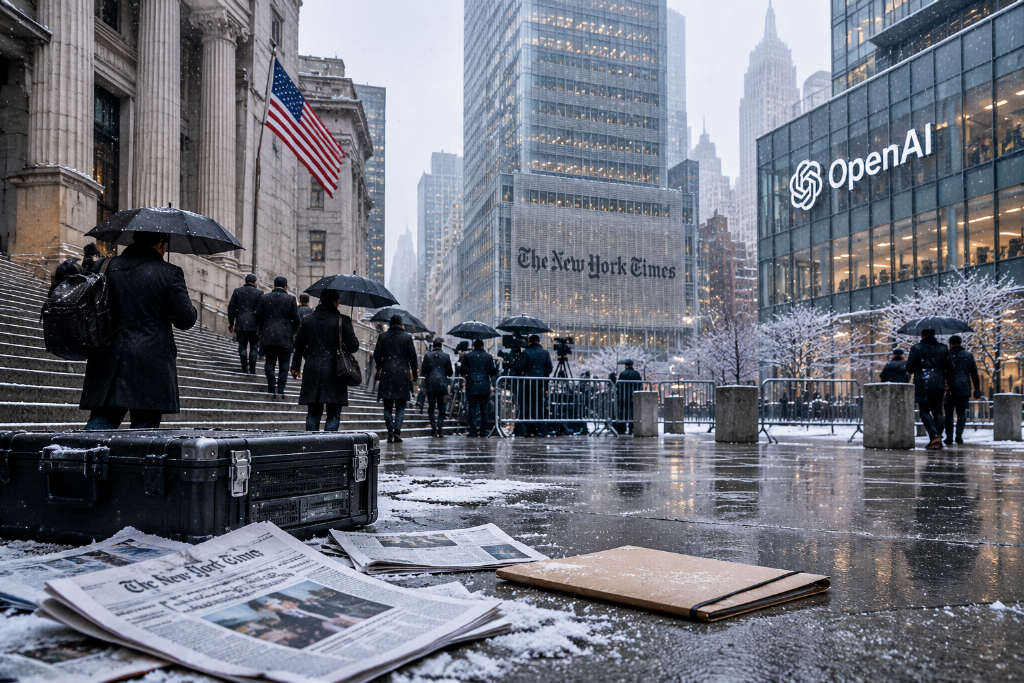
The Trump administration has formally intervened in the New York Times' copyright lawsuit against OpenAI, filing a statement of interest that supports OpenAI's claim that using copyrighted text to train AI models constitutes fair use. The lawsuit, filed in December 2023, alleges OpenAI illegally used Times articles to train its AI systems and seeks billions of dollars in damages from OpenAI and Microsoft. The administration's stance could influence the legal boundaries of AI training data, potentially setting a precedent for fair use in generative AI. The case is closely watched by the tech industry and legal experts. (Source: The Verge, via Techub News)

1050
Trump Administration Intervenes in NYT vs. OpenAI Copyright Case, Backs Fair Use Argument
USA Today
Oct 8, 2026

USA Today sues OpenAI, seeks more than $250 million

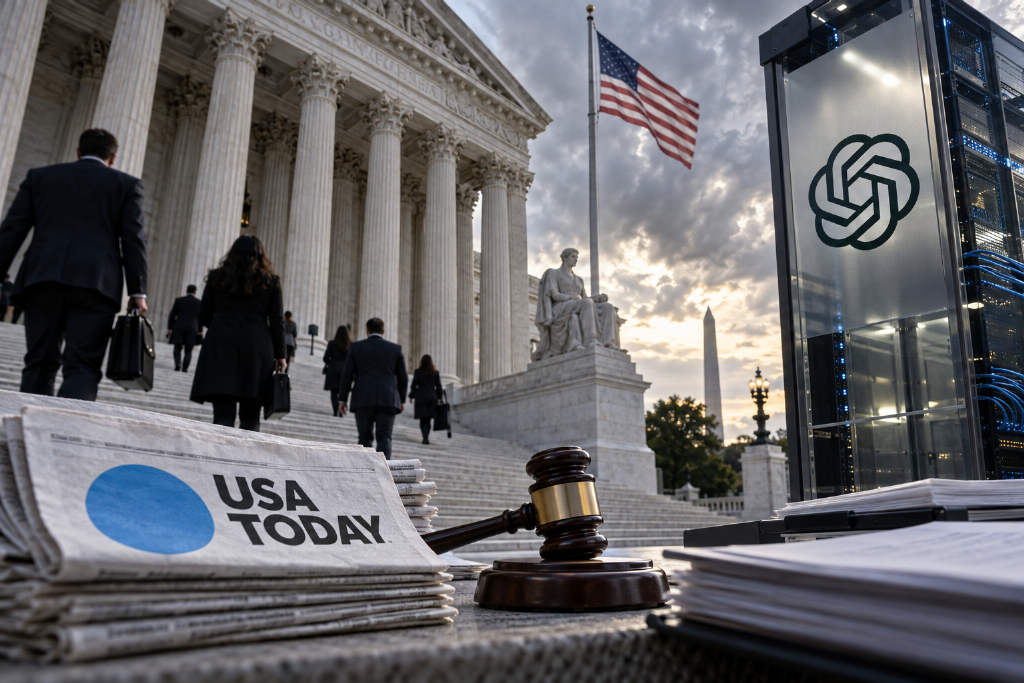
USA Today has filed a lawsuit against OpenAI, accusing the company of using its content without authorization to train artificial intelligence models and seeking more than $250 million in damages. The case adds to a growing wave of legal disputes over whether AI developers can use published material for model training without permission. According to the report cited by Techub News, the lawsuit puts the spotlight on rising tensions between AI companies and content creators. It may also influence how copyright law and AI training rules are interpreted and shaped going forward.

840
USA Today sues OpenAI, seeks more than $250 million
Tether
Oct 7, 2026

Conduit sues Tether over $2.76 million wallet freeze that allegedly lasted more than a year

Cross-border payments firm Conduit has sued Tether in the U.S. District Court for the Southern District of New York, accusing the stablecoin issuer of freezing $2.76 million in operating funds without a valid legal basis and keeping the wallet locked for more than a year. In the complaint, Conduit says Tether froze its treasury wallet on Sept. 24, 2025, even though the wallet was allegedly unrelated to a Brazilian federal police investigation tied to an entity connected with a company called Onix. Conduit argues the wallet was created in May 2025, after Onix’s last transaction on its platform, and never held any Onix funds. The company is seeking the return of the assets and has raised claims including conversion, unjust enrichment, breach of fiduciary duty, and computer fraud. The case also adds to wider scrutiny of Tether’s authority to freeze USDT, as the company faces pressure from both sides: lawsuits over asset freezes and political criticism that it has not frozen enough activity linked to sanctions evasion.

800
Conduit sues Tether over $2.76 million wallet freeze that allegedly lasted more than a year
Tether
Oct 7, 2026

Conduit sues Tether over nearly year-long freeze of $2.76 million in USDT

Conduit Technology, a cross-border payments company, has sued four Tether entities in the U.S. District Court for the Southern District of New York, alleging that about $2.76 million in USDT held in one of its wallets was frozen in September 2025 and has remained inaccessible ever since. The company says Tether has not explained the freeze or agreed to lift it. In its complaint, Conduit argues that the wallet was not included in the list of addresses that Brazilian federal police had asked Tether to freeze during an investigation involving a third party, Onix. Conduit says Onix had once been a customer on its platform, but its last transaction was dated April 22, 2025, while the treasury wallet at issue was created on May 20, 2025 and processed 4,427 transactions worth more than $1.1 billion over four months, none tied to Onix. Conduit is seeking a court order declaring the freeze unlawful, demanding the wallet be unfrozen, and asking for compensatory damages of no less than $2.76 million, along with interest and profits allegedly earned on the reserves backing the frozen USDT. Decrypt said it did not see a response from Tether in its report.

480
Conduit sues Tether over nearly year-long freeze of $2.76 million in USDT
Total 163 items
Go topage