Magnificent Seven
Nov 7, 2026

AI Return Concerns Hit U.S. Tech Giants After Midterm Election

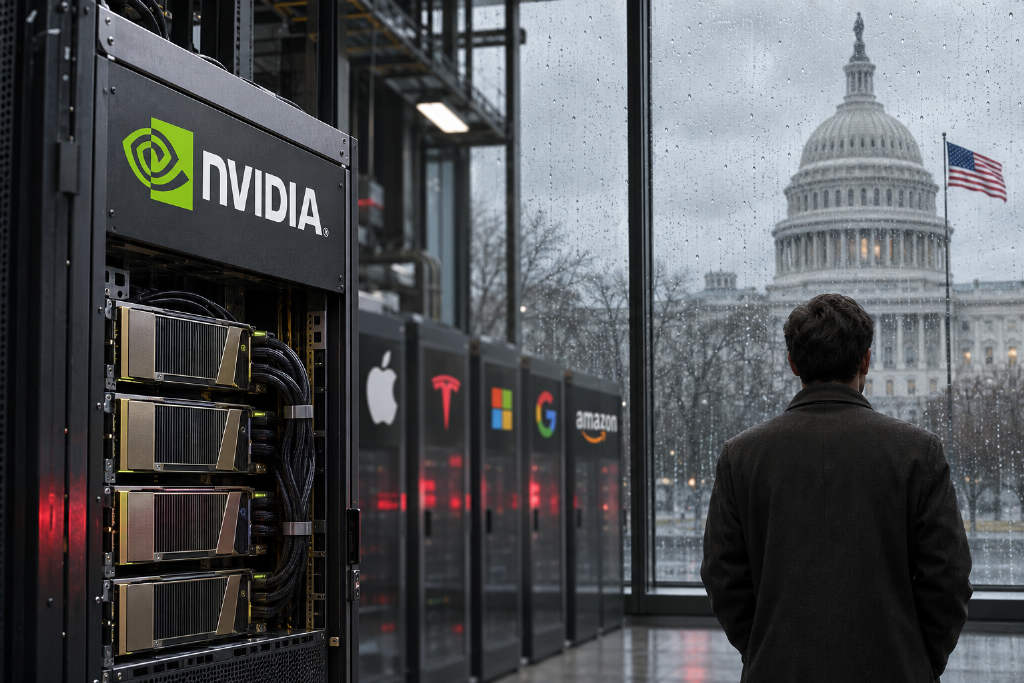
Wall Street’s optimism toward artificial intelligence turned sharply lower within two days of the U.S. midterm election. The so-called “Magnificent Seven” lost about $1.04 trillion in market value on Nov. 5, with Nvidia accounting for more than $440 billion of the decline. Tesla fell 10.77%, Nvidia dropped 9.26%, while Apple slipped 1.53%. The sell-off followed concerns that a Democratic-controlled Congress could tighten AI rules and slow data-center construction. The Nasdaq fell 5.52% that day, then recovered 1.09% on Nov. 6. Nvidia rose 2.78% and AMD gained about 11%, but Apple and Microsoft continued to decline; the Nasdaq still ended the week down 3.4%. The companies’ operating performance, apart from Tesla, had not broadly deteriorated. Nvidia’s revenue doubled year over year, Apple reached a record for the comparable period, and cloud or advertising businesses at Microsoft, Google, Amazon and Meta continued to grow. The market focus has shifted to whether rising infrastructure spending can produce comparable profits and whether data-center projects will proceed on schedule.
590
AI Return Concerns Hit U.S. Tech Giants After Midterm Election
SVRN
Nov 5, 2026

SVRN names Patrick O'Kain as chief operating officer

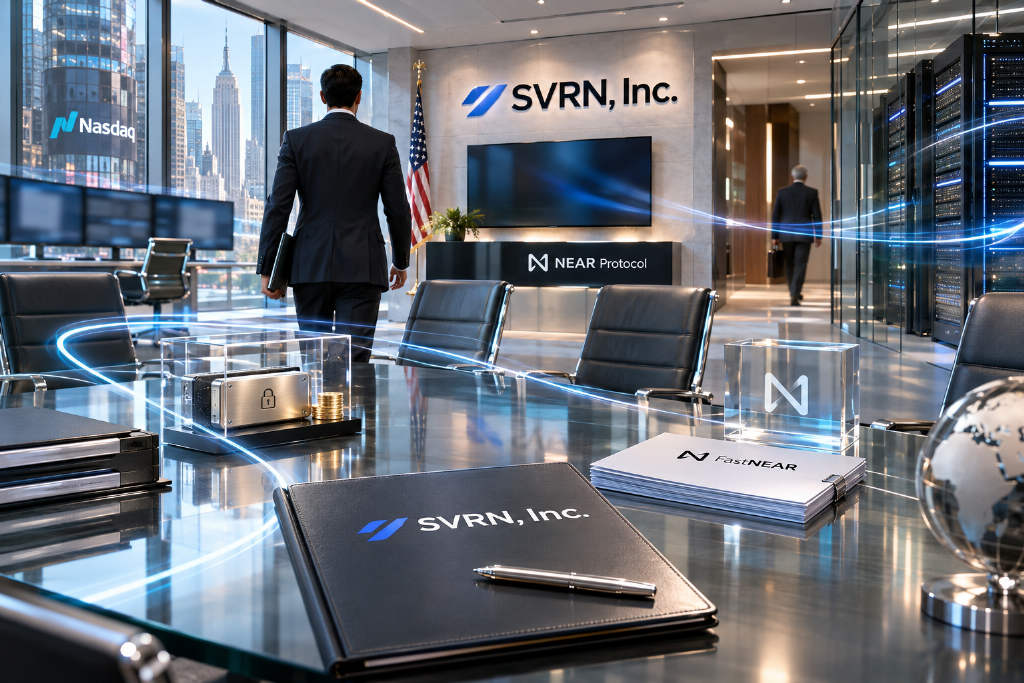
Nasdaq-listed SVRN, Inc. said on Nov. 4 that it has appointed Patrick O'Kain as chief operating officer, effective Nov. 3. In the role, O'Kain will oversee operations, product strategy and corporate development, including the integration of acquired businesses. The company also said current COO David Schwed, who has served in that position since October 2025, will move into a senior adviser role on Jan. 1, 2027, and will continue advising management on technology and security matters. SVRN described O'Kain as bringing more than 20 years of experience across venture capital, institutional advisory work, federal law enforcement and national security. Before joining the company, he was a general partner at Borderless Capital, where he helped build and manage the firm’s venture fund operations across fundraising, investing and operations. SVRN, formerly OceanPal Inc., said its business is centered on NEAR Protocol and that over the past year it has expanded from managing digital asset reserves to operating key NEAR infrastructure, taking part in network governance, and completing its first acquisition, FastNEAR.

780
SVRN names Patrick O'Kain as chief operating officer
US stocks
Nov 4, 2026

U.S. stocks close higher Wednesday as Dow rises 3%, Alibaba gains 5%

U.S. equities finished higher on Wednesday, according to market data cited by ChainCatcher from Gate. The Dow Jones Industrial Average closed up 3%, while the S&P 500 added 1.58% and the Nasdaq gained 1.44%. Among individual names, Trump Media & Technology Group fell 24%. SpaceX and Tesla each dropped more than 3%, SK Hynix lost 5%, Micron Technology fell 7%, and Nvidia declined 3%. On the upside, Apple rose 5%, Amazon gained 6%, and Microsoft advanced 6.6%. Chinese stocks also moved higher. The Nasdaq Golden Dragon China Index closed up 3.48%, while Alibaba gained 5%. The figures were reported by ChainCatcher based on Gate market data.

700
U.S. stocks close higher Wednesday as Dow rises 3%, Alibaba gains 5%
Canary Capital
Nov 4, 2026

Canary Capital’s Staked INJ ETF files Form 8-A12B, sets Nasdaq ticker INJC

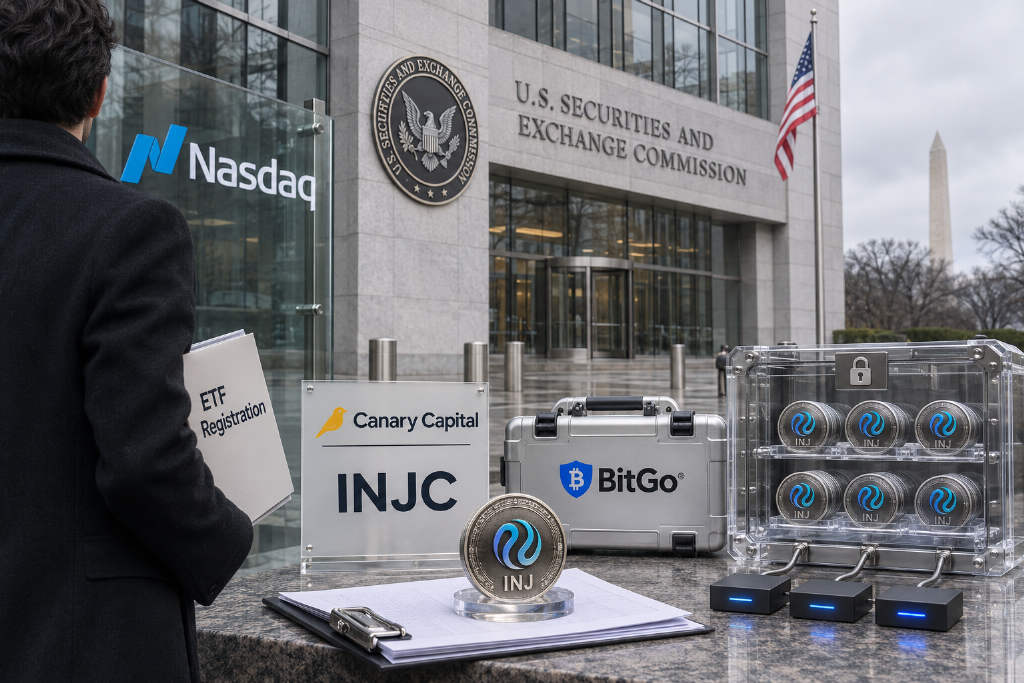
Canary Capital’s Canary Staked INJ ETF has filed a Form 8-A12B listing registration, according to an SEC filing cited by ChainCatcher. The document says the fund’s share listing application on Nasdaq has been approved and that the product will trade under the ticker INJC. The filing also states that, under normal circumstances, at least 90% of the fund’s INJ will be used for network staking, with BitGo serving as custodian. Public trading has not started yet. The ETF still needs its S-1 registration statement to become effective before it can begin trading publicly. The filing outlines both the listing status and the operational structure of the proposed fund, including its staking allocation and custody arrangement.

870
Canary Capital’s Staked INJ ETF files Form 8-A12B, sets Nasdaq ticker INJC
Strategy
Nov 4, 2026

Strategy raises $21 billion, becomes the fourth-largest stock issuer in the US

Strategy (NASDAQ: MSTR) rose 5.7% to $143, according to a Techub News brief citing CoinGape. The report said the company has raised $21 billion, making it the fourth-largest stock issuer in the United States. The same update also pointed to a broader improvement in the macro backdrop after the US midterm elections. In that context, oil prices fell below $93 a barrel, while the Nasdaq gained more than 300 points. The brief did not provide more detail on the financing structure or the time period covered by the $21 billion figure, but it tied the company’s market move to a stronger macro setting described in the report.

800
Strategy raises $21 billion, becomes the fourth-largest stock issuer in the US
OKX
Nov 4, 2026

56 U.S. listed companies object to OKXICE tokenized stocks, leaving only 13 without objections

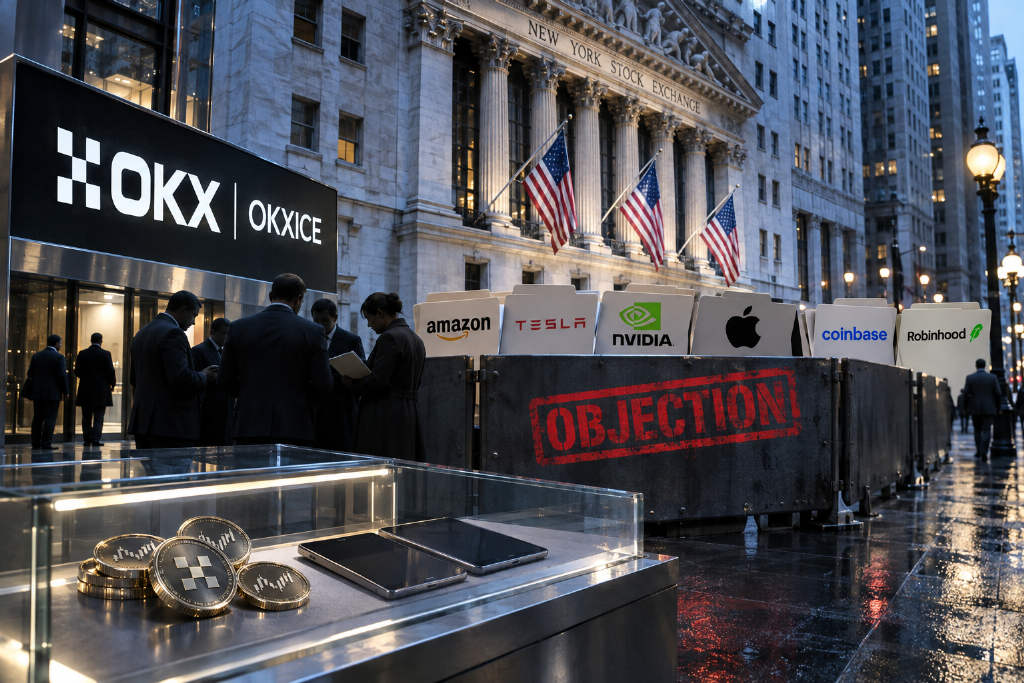
OKXICE, the joint venture between crypto exchange OKX and Intercontinental Exchange, is running into resistance not from regulators but from the issuers whose shares it wants to tokenize. In a Nov. 2 update, the company said 56 firms had objected to the listing of tokenized versions of their stocks, up from the original pool of 62 companies. The objecting group includes Amazon, Tesla, SpaceX and Nvidia, and together represents more than $31 trillion in market value, or about 42% of total U.S. equity market capitalization. As of publication, 13 companies had not filed objections, including Apple, Strategy, Robinhood, Coinbase, Palantir, Circle, Securitize, BitGo, ServiceNow, GE Vernova, Boeing, Home Depot and Super Micro Computer. Under the U.S. Securities and Exchange Commission’s stock-tokenization innovation exemption policy, listed companies can object within 30 days after receiving written notice from a third-party tokenization platform. If OKXICE sent notices on Oct. 4, the company would be left with only 13 tokenized U.S. stocks it could list. The article argues that issuers’ concerns center on three issues: fragmented pricing and liquidity, weaker visibility into trading activity, and reputational risk if tokenized trading on third-party venues malfunctions or diverges from the underlying shares. It also says the deeper conflict is over control and economics, with issuers showing more interest in tokenization models they can lead themselves, rather than supporting independent crypto platforms.

680
56 U.S. listed companies object to OKXICE tokenized stocks, leaving only 13 without objections
Total 979 items
Go topage