stablecoins
Oct 9, 2026

Stablecoins are reshaping remittance profits, but offline rails still decide who wins

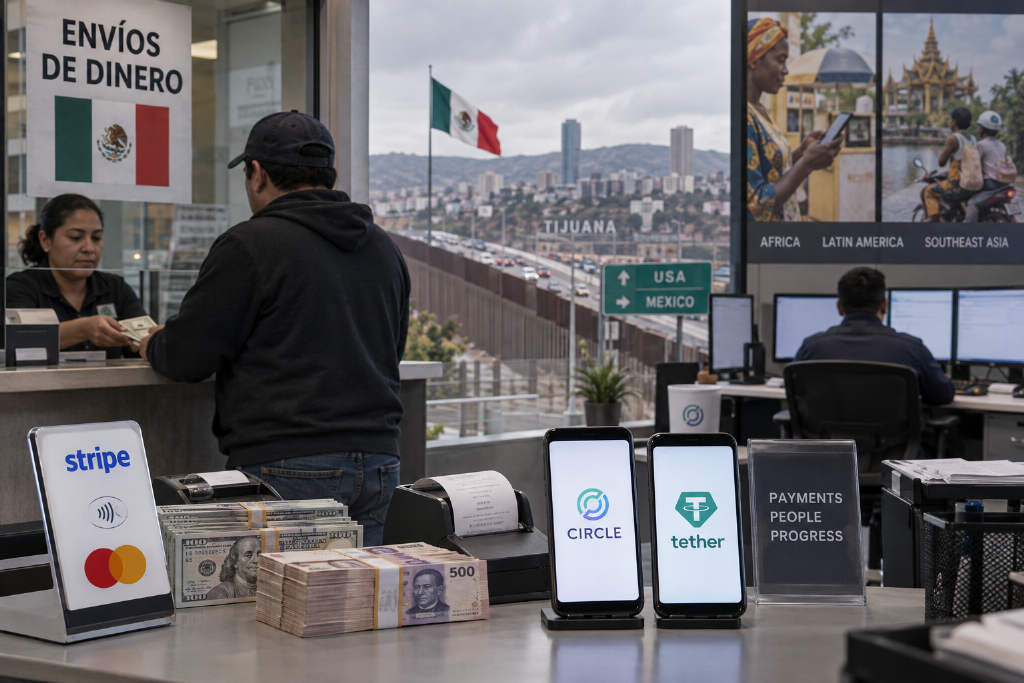
A MarsBit feature argues that stablecoins are not simply making cross-border remittances cheaper; they are redrawing where profits sit across the payment stack. The piece breaks down how a $100 transfer from the U.S. to Mexico can lose roughly $6 in value even when the visible fee is only about $2, with foreign-exchange spread accounting for a large share of the gap. It says blockchain lowers settlement and FX costs, but because the technology is broadly accessible, it does not create a durable moat on its own. Instead, the article says value is shifting to businesses that control distribution, local licensing, banking relationships, cash-in and cash-out networks, orchestration APIs, and reserve assets behind stablecoins. It points to Felix Pago, Yellow Card, Coins.ph, ZyntaFinance, OpenFX, dLocal, Stripe, Mastercard, Circle, and Tether as examples of firms competing at different layers. The report also distinguishes between consumer remittances and B2B payments, arguing that the former are constrained by customer acquisition and distribution while the latter are constrained by prefunding and working capital. In that framework, stablecoins reduce friction, but regional operators with local infrastructure remain central to the economics of remittance corridors.
860
Stablecoins are reshaping remittance profits, but offline rails still decide who wins
El Salvador
Sep 29, 2026

El Salvador Rolls Out Sivar, a $2 Remittance App Using Stablecoin Settlement on Base

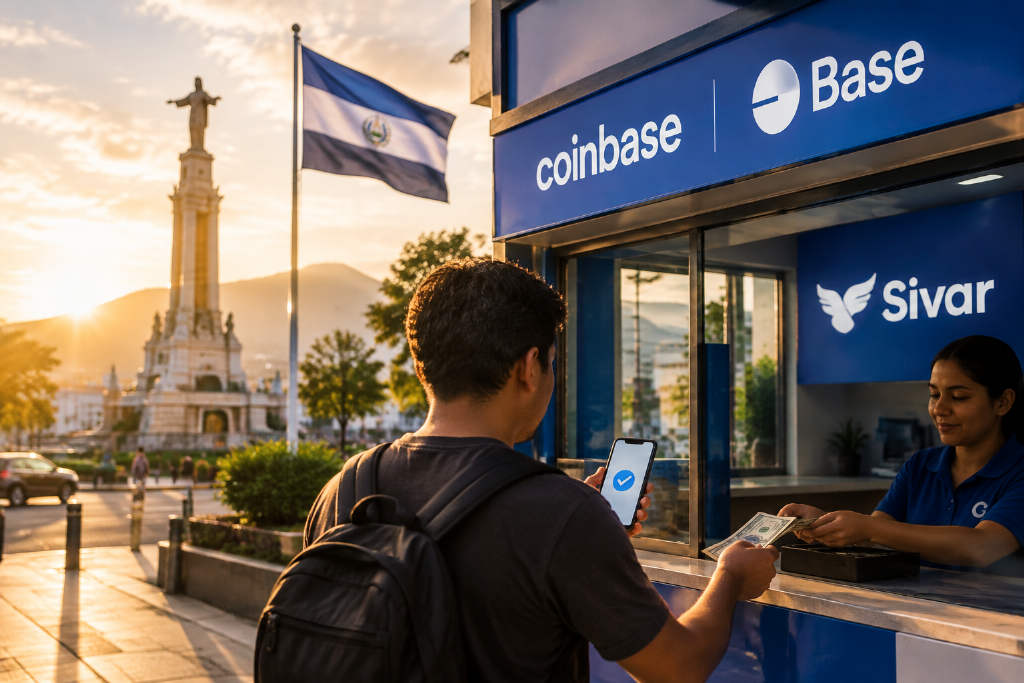
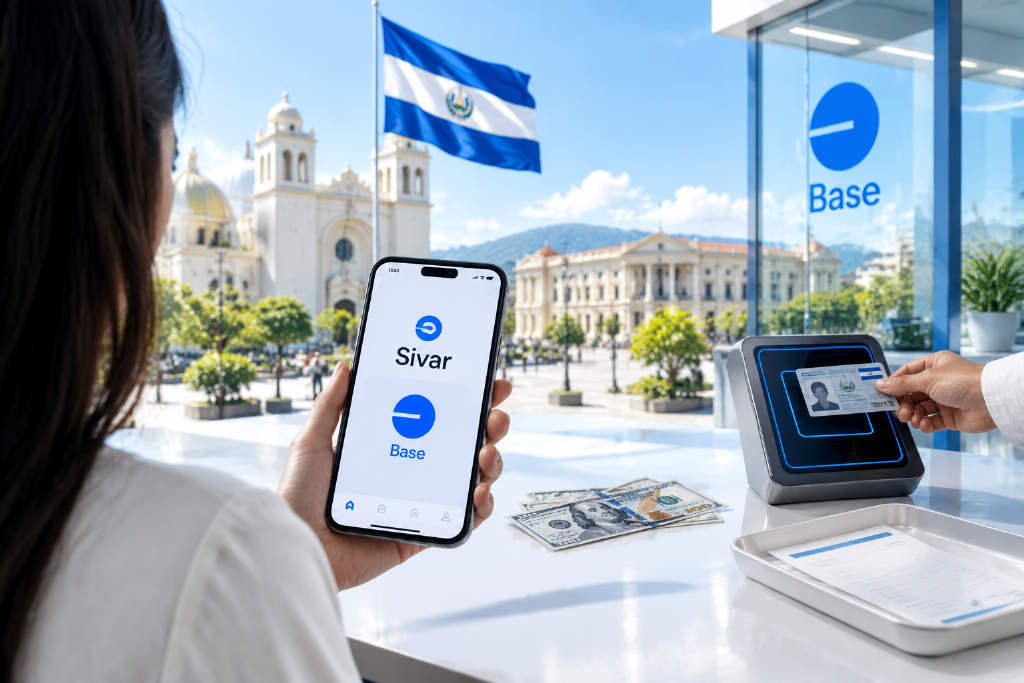
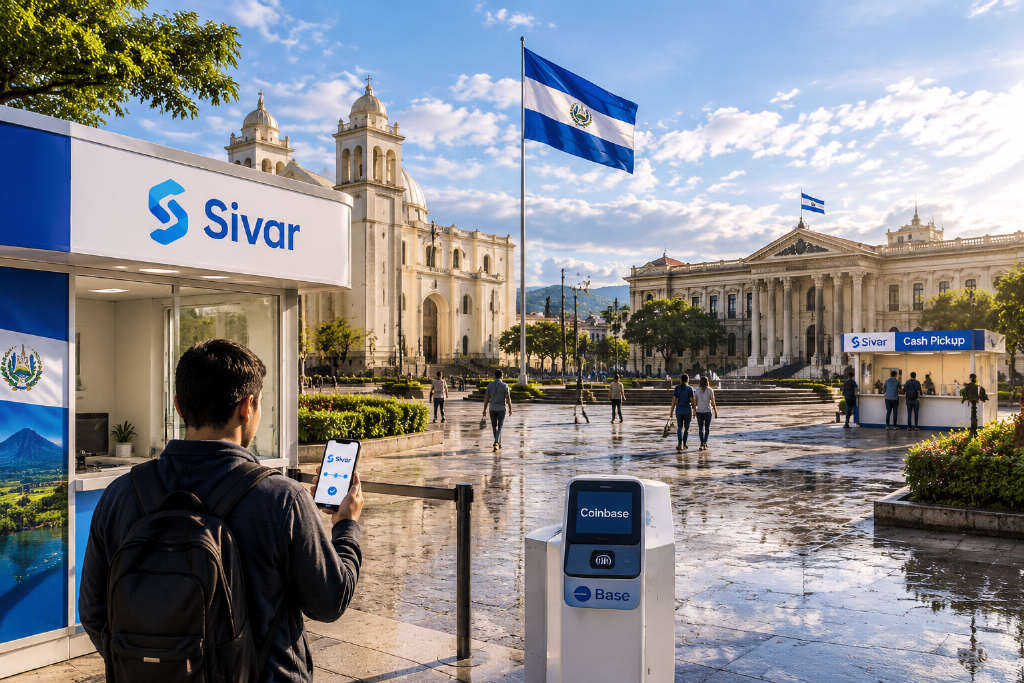
El Salvador’s government and startup Modveon have launched Sivar, a national remittance app that lets U.S. residents send money to verified recipients in El Salvador for a flat $2 fee, regardless of transfer size. The service runs on stablecoin rails over Base, the blockchain developed by Coinbase, while Coinbase also provides the payment infrastructure from onramp to payout. Users in the app receive non-custodial wallets, and recipients can cash out at more than 1,000 locations across the country. The launch was announced Tuesday. Modveon signed a five-year agreement with AAB, the Salvadoran public institution formally known as Agencia Administradora de Fondos Bitcoin, or Bitcoin Fund Management Agency. The contract took effect this month and gives Modveon responsibility for building and operating the app. AAB is also listed as one of Modveon’s investors. The Palo Alto-based company has raised $10 million, in a round first announced in February, with Coinbase Ventures and Firebolt Ventures among the backers. Sivar also includes identity-based social and civic features for Salvadoran users, who can verify with the national DUI card, post content, join district-level communities, and vote in polls. Modveon said more than 25,000 Salvadorans used the app during its phased rollout before the national launch.

880
El Salvador Rolls Out Sivar, a $2 Remittance App Using Stablecoin Settlement on Base
Coinbase
Sep 29, 2026

Modveon’s Sivar plugs into Coinbase infrastructure and Base with $2 flat-fee transfers to El Salvador

Coinbase said in a post on X that Salvadorans sent $9 billion back home last year, and percentage-based remittance fees took millions of dollars out of those flows. The company said Sivar, a product under Modveon, has now integrated Coinbase infrastructure and Base. Under the setup, users in the United States can send any amount to El Salvador for a flat $2 fee. Coinbase added that the service already includes the cash-out route into fiat channels. The update centers on transfer pricing and payment rails rather than a broader product rollout, with Coinbase framing the move around lowering the cost of remittances to El Salvador.

1080
Modveon’s Sivar plugs into Coinbase infrastructure and Base with $2 flat-fee transfers to El Salvador
El Salvador
Sep 29, 2026

El Salvador to launch Sivar app for dollar-pegged stablecoins on Base

El Salvador is working on a government-backed app called Sivar, according to Odaily. The project is being developed with Modveon and comes five years after Bitcoin became legal tender in the country. The app is designed to let residents send, receive, and hold dollar-pegged stablecoins over Base, the blockchain network developed by Coinbase. It will also support remittances, a key payment use case in the country. Odaily said user verification on Sivar will be handled through government ID checks. The report did not disclose a launch date or additional product details.

1060
El Salvador to launch Sivar app for dollar-pegged stablecoins on Base
MoonPay
Sep 29, 2026

MoonPay launches South Korea unit to work on KRW stablecoins and cross-border payments

Crypto payments company MoonPay has launched a South Korean subsidiary, MoonPay Korea, and said it plans to use the country as a base for its operations in Asia. The company said it will work with local partners across several areas tied to digital finance infrastructure. Those areas include Korean won stablecoins, cross-border payments, remittances, and broader digital asset infrastructure. The update was reported by Techub News, citing Crypto.news. No additional details were provided in the brief on the timeline, partner names, or product rollout. The announcement points to South Korea as a key market in MoonPay’s regional expansion plans, with the new entity positioned as a local operating arm for future cooperation.

1340
MoonPay launches South Korea unit to work on KRW stablecoins and cross-border payments
Felix
Sep 2, 2026

Félix raises $200 million to expand stablecoin-based rails beyond remittances

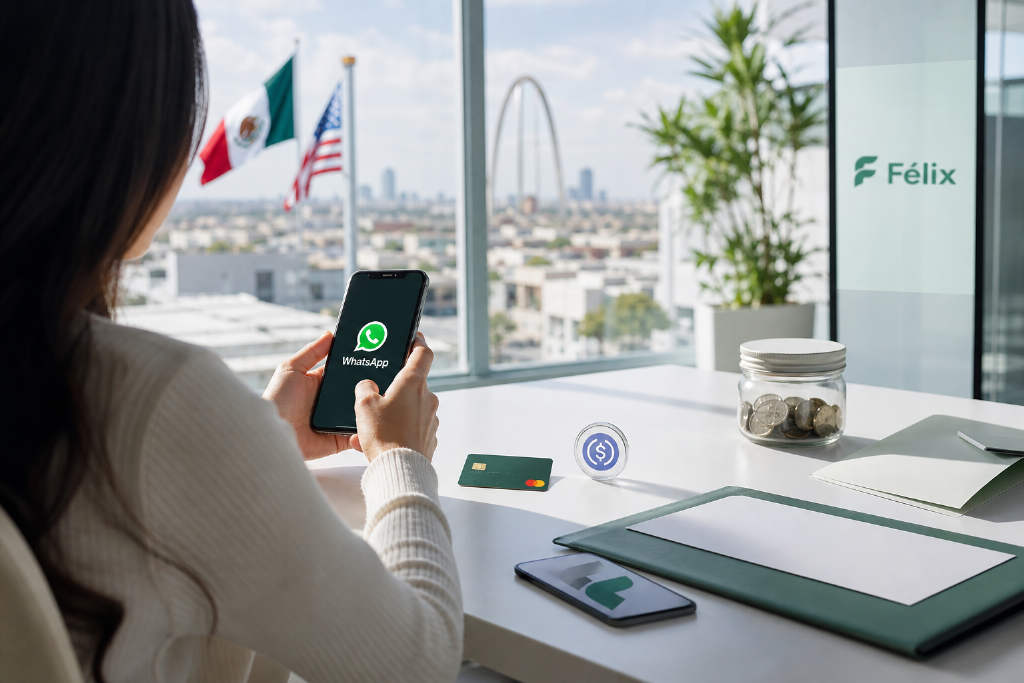
Félix, a WhatsApp-based remittance service focused on Latinos in the United States, has raised $200 million in new financing. The package includes an $87 million equity round led by Andreessen Horowitz and a $113 million credit facility from General Catalyst’s Customer Value Fund. According to the company and investors, most Félix transactions settle behind the scenes in USDC, while customers do not directly interact with crypto. The company said the new capital will support expansion beyond remittances into third-party lending and savings products, mobile credit and data purchases, and AI and financial infrastructure for what it calls a Cognitive Financial Companion on WhatsApp. Félix also said it has processed more than $8 billion in transactions for over six million people since its 2020 founding, operates in 11 Latin American markets, and works with payout and distribution partners including Walmart, UniTeller, Intermex, Visa, Stripe, Mastercard, and Checkout.com. The raise comes as legacy remittance firms also move into stablecoins, with Western Union having launched its USDPT stablecoin on Solana in May.

1840
Félix raises $200 million to expand stablecoin-based rails beyond remittances
Bank of Italy
Aug 21, 2026

Bank of Italy study tracks USDC remittances and finds costs can range from 0.3% to nearly 9%

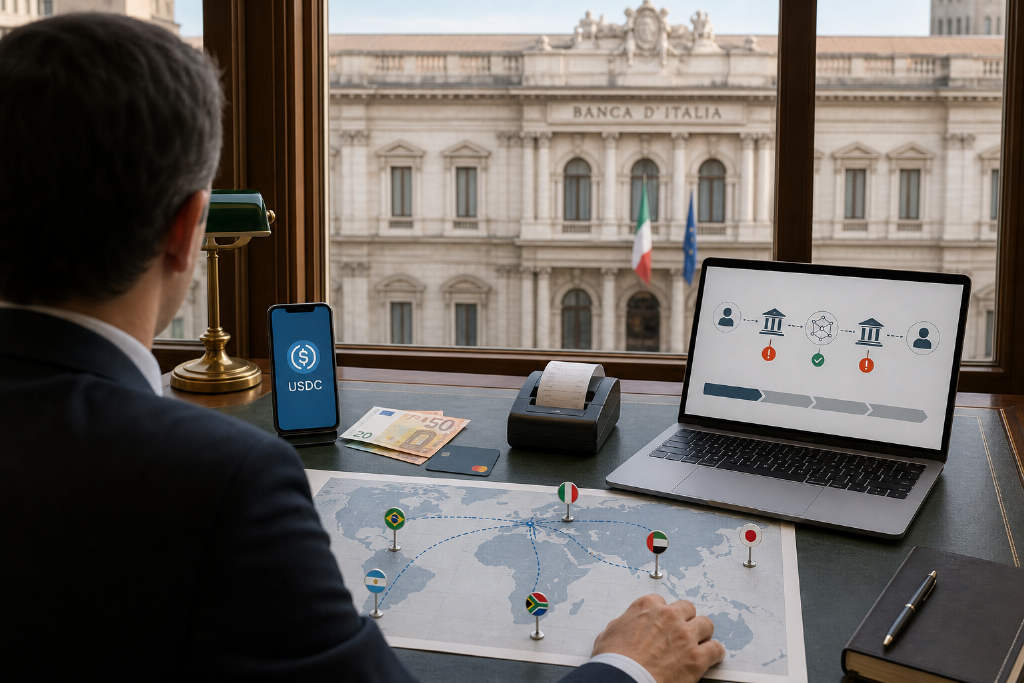
The Bank of Italy said in a research report released in July 2026 that it conducted a “mystery shopper” study to track 200 USDC transfers across 10 remittance corridors linking Italy with Argentina, Brazil, South Africa, the United Arab Emirates, and Japan. The study followed the full payment chain and found that total stablecoin remittance costs varied widely, from as low as 0.3% to nearly 9%. According to the report, on-chain blockchain transfer fees accounted for an average of just 0.4% of the total. Most of the cost came from fiat on- and off-ramp steps, including exchange spreads, credit card fees, and withdrawal charges. Compared with traditional services such as Wise, stablecoins were cheaper on some routes, including Brazil to Italy, but more expensive on others, including the United Arab Emirates to Italy. The report also found that blockchain settlement itself took only a few minutes, while end-to-end speed depended on local payment infrastructure. Countries with instant payment systems, such as Brazil’s PIX, Italy’s TIPS, and Argentina’s Transferencias 3.0, could complete the process in under 20 minutes. In South Africa and other markets still reliant on bank transfers, settlement could take one to two business days.

1760
Bank of Italy study tracks USDC remittances and finds costs can range from 0.3% to nearly 9%
TripleA
Aug 15, 2026

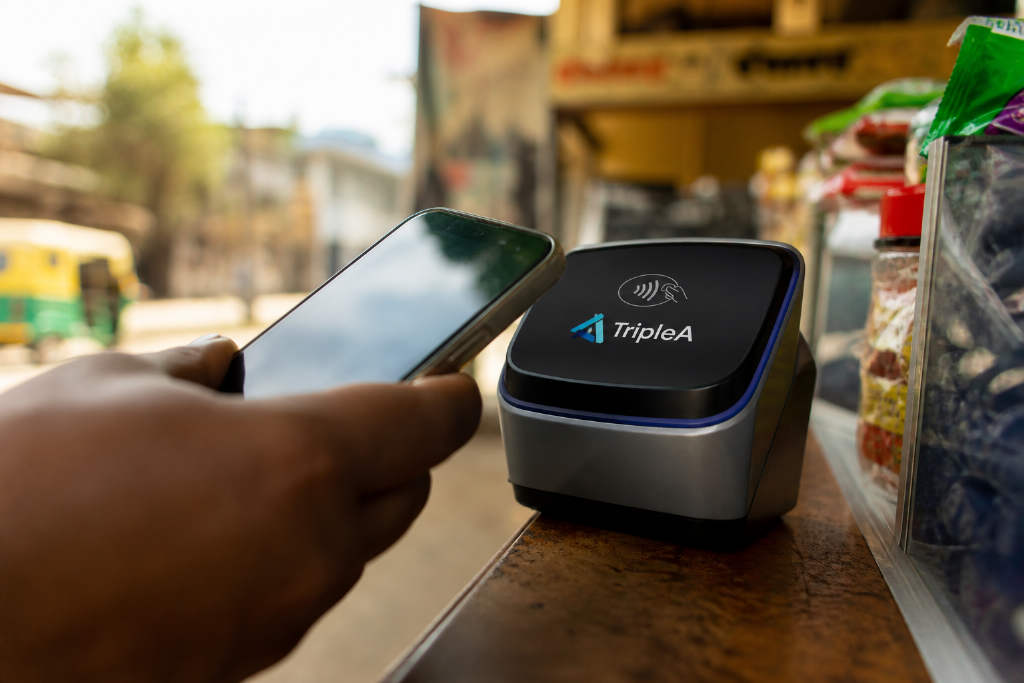
TripleA CEO Eric Barbier says the future of remittances is no remittance at all

TripleA CEO Eric Barbier said the future of remittances may be a system where users no longer need traditional remittance flows. In a post cited by ChainCatcher, Barbier said he does not really believe in a "sandwich" stablecoin remittance model, where fiat is converted into stablecoins and then back into fiat at the other end. He argued that remittances often amount to moving a strong currency into a weaker one. In his view, stablecoins create a different kind of value by letting people in emerging countries hold a strong currency directly. As platforms push merchants to accept crypto, he said, stablecoins can now be spent directly rather than used only as a transfer rail. Based on that view, Barbier said the future for people in emerging countries is not to hold local currency, but to hold stablecoins, earn yield on them, and spend them.

1960
TripleA CEO Eric Barbier says the future of remittances is no remittance at all
Total 39 items
Go topage