BNB Chain
Oct 26, 2026

BNB Chain outlines new high-performance L1 with 200 ms blocks, says it will run alongside BSC without a new token

BNB Chain has quietly published developer documentation for a new Layer 1 network, internally referred to as “New L1,” aimed at latency-sensitive use cases such as on-chain order books, high-frequency trading, real-time payments, and AI agent workflows. The plan does not replace BNB Smart Chain (BSC). Instead, the two chains are designed to run in parallel, with BSC continuing as the general-purpose smart contract network while the new chain handles workloads that need faster response times. According to the documentation, the proposed network targets 200 millisecond block times and roughly 20 millisecond pre-confirmations through a SubBlocks mechanism delivered over WebSocket streams. BNB Chain also described changes to consensus, asynchronous execution, and state storage, including a move away from the Merkle-Patricia Trie model toward a flat key-value design backed by LtHash-based state commitments. The protocol would also include native account abstraction, gas sponsorship, batch execution, and a zk-SNARK-based shielded pool. Binance founder CZ later addressed the market’s main concern in a short post: “Multiple chains, one coin.” That statement indicates the new L1 will not launch a separate token. BNB is expected to remain the gas asset, staking token, and governance token across both BSC and the new chain. The roadmap in the developer materials points to a public testnet by the end of 2026 and a mainnet launch target in early 2027.

820
BNB Chain outlines new high-performance L1 with 200 ms blocks, says it will run alongside BSC without a new token
Midnight
Oct 3, 2026

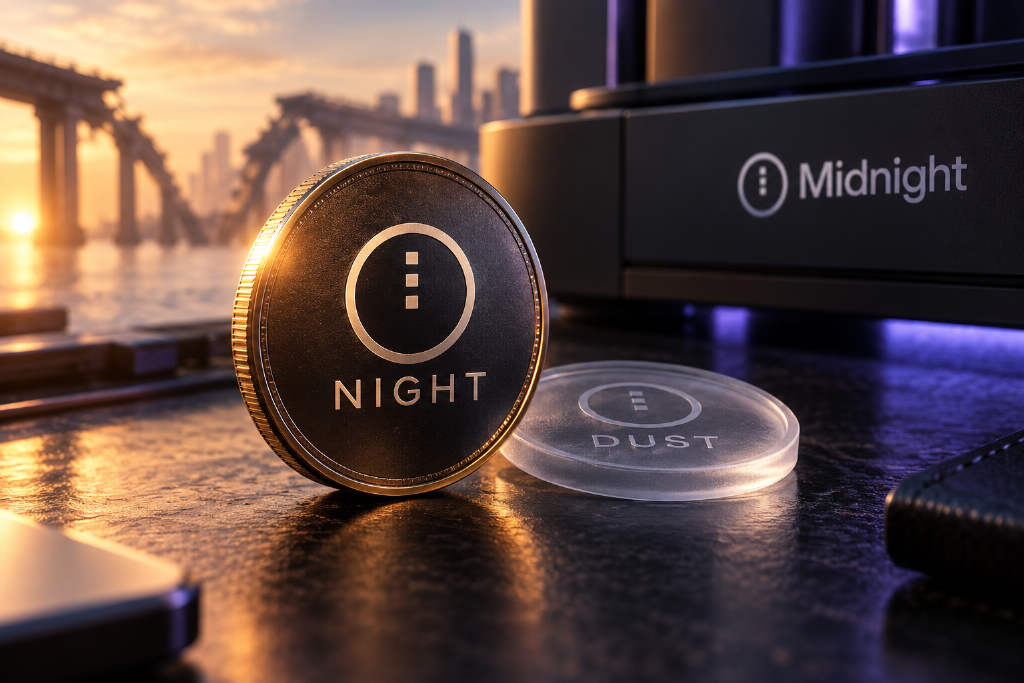
NIGHT doubles in a week as Midnight’s public-private token design draws attention

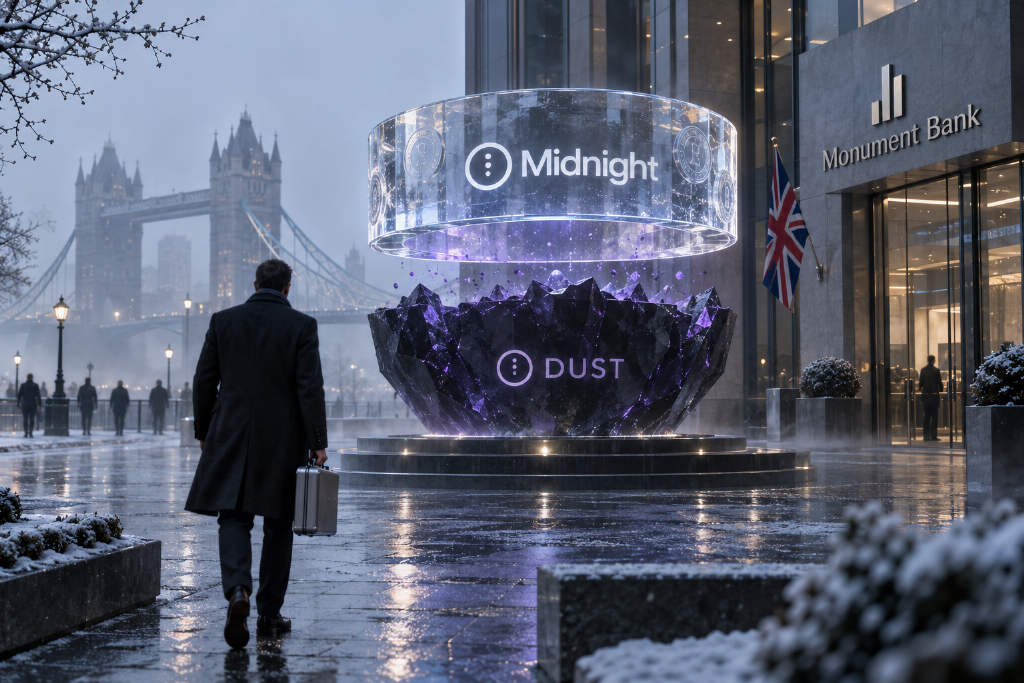
NIGHT rose about 100% over the past week, climbing from $0.024 to $0.05 and lifting its market capitalization to roughly $800 million, according to the source article. The move marked a rebound from the 87% drop triggered in July by a Wanchain cross-chain bridge exploit involving about 515 million NIGHT. The article argues that Midnight should not be reduced to a simple “next ZEC” narrative. Built by Shielded Technologies, a team of former IOG members, Midnight is a programmable privacy Layer 1 and a partner chain to Cardano. Its core distinction lies in separating capital from private execution: NIGHT is the public, tradable token used for governance, network security and value storage, while DUST is a private, non-transferable and decaying network resource used to pay for on-chain actions. The recent rally coincided with three developments: permissionless mainnet smart contract deployment opened on Sept. 28; CTO Sebastien Guillemot outlined the v8 and v9 upgrades on Oct. 1, covering private smart contracts and composability; and Monument Bank’s previously announced plan to tokenize as much as £250 million in retail deposits on Midnight remained on track for a delayed November launch. The article says Midnight’s long-term case now depends on whether these planned releases and partnerships can turn narrative momentum into sustained on-chain activity.

1590
NIGHT doubles in a week as Midnight’s public-private token design draws attention
NIGHT
Oct 3, 2026

NIGHT doubles in a week, but Midnight’s case goes beyond a simple ‘next ZEC’ trade

NIGHT rose about 100% over the past week, climbing from $0.024 to $0.05 and pushing its market capitalization to roughly $800 million, a six-month high. The move came after a sharp 87% drop tied to a Wanchain bridge exploit in July. According to the source article, the rebound has been driven by three developments landing in close succession: permissionless smart contract deployment on Midnight mainnet, a roadmap update from CTO Sebastien Guillemot covering the v8 and v9 upgrades, and Monument Bank’s plan to tokenize as much as £250 million in retail deposits on Midnight. The report argues that calling NIGHT the “next ZEC” misses the project’s core structure. Midnight is presented as a programmable privacy Layer 1 built by Shielded Technologies, with NIGHT serving as a transparent, tradable capital-layer token while DUST functions as a private, non-transferable resource used to pay for network operations. That split is central to Midnight’s compliance pitch: public visibility for value flows at the NIGHT layer, privacy for business data at the DUST layer. The article says NIGHT’s long-term value depends on whether real demand for operations emerges on the network, rather than on the privacy narrative alone.

1680
NIGHT doubles in a week, but Midnight’s case goes beyond a simple ‘next ZEC’ trade
Zcash
Aug 25, 2026

Zcash hits an eight-year high as Winklevoss twins tie its case to the rise of AI

Privacy coin Zcash climbed into the $836 to $857 range, reaching an eight-year high and extending its gain for the year to more than fourfold, according to Techub News. The move came as Gemini founders Cameron and Tyler Winklevoss made a series of recent comments linking Zcash’s long-term value directly to the development of artificial intelligence. The twins argued that anyone bullish on AI should also be bullish on Zcash, saying private money will be critical in an era of superintelligence to guard against AI-driven financial surveillance. They also pointed to ZEC’s capped supply of 21 million coins, adding that the number of whole units currently in circulation is even smaller than the global population of millionaires. The report also said Grayscale has converted its Zcash trust into a spot ETF, which is expected to list on NYSE Arca on Aug. 25 under the ticker ZCSH. Grayscale plans to use 100% of sponsor fees during the 12 months after the ETF registration statement becomes effective to support marketing, development, and education for the Zcash network.

1620
Zcash hits an eight-year high as Winklevoss twins tie its case to the rise of AI
Zcash
Jul 29, 2026

Zcash Explained: How the Privacy Coin Works, What Changed in 2026, and Why It Still Matters

Zcash is a privacy-focused cryptocurrency that launched in October 2016 with a design intended to hide the sender, recipient, and amount of a transaction while still allowing the network to verify that the payment is valid. Built by the Electric Coin Company and rooted in academic cryptography research, Zcash uses zk-SNARKs to enable shielded transfers, while also supporting transparent transactions similar to Bitcoin. Like Bitcoin, it has a capped supply of 21 million coins and follows a four-year halving cycle. The project has gone through several major technical milestones, including Sapling, Blossom, Network Upgrade 5, Orchard, and most recently Ironwood. In 2026, Zcash faced one of the most serious episodes in its history after a critical counterfeiting vulnerability was discovered in the Orchard shielded pool. Developers coordinated a confidential emergency response, disclosed the issue in June, and later activated Ironwood in July to retire Orchard, contain any possible counterfeit coins, and add new supply-verification and quantum-resistant features. Zcash also remains at the center of debates over privacy, regulation, and exchange listings. Regulators have long scrutinized privacy coins, yet Zcash’s optional transparent mode has helped it remain listed on more major platforms than some rivals. At the same time, the network is navigating leadership turnover, funding debates, software migration, and its next halving, all of which will shape its next phase.

2970
Zcash Explained: How the Privacy Coin Works, What Changed in 2026, and Why It Still Matters
Total 12 items
Go topage