zkVM

2026-07-07 22:58:45

Boundless Enables Bitcoin Verification for Ethereum and Base ZK Proofs

RISC Zero-backed Boundless has launched a cross-chain system that lets Bitcoin verify ZK proofs on Ethereum and Base using BitVM and Citrea, without changing Bitcoin’s protocol. The move could strengthen Bitcoin’s role as a secure settlement layer in cross-chain infrastructure.

220

Boundless Enables Bitcoin Verification for Ethereum and Base ZK Proofs
Quantum Compu
2026-07-07 09:02:12

IOSG Says Q-Day Countdown Puts Bitcoin and Ethereum Under Post-Quantum Migration Pressure

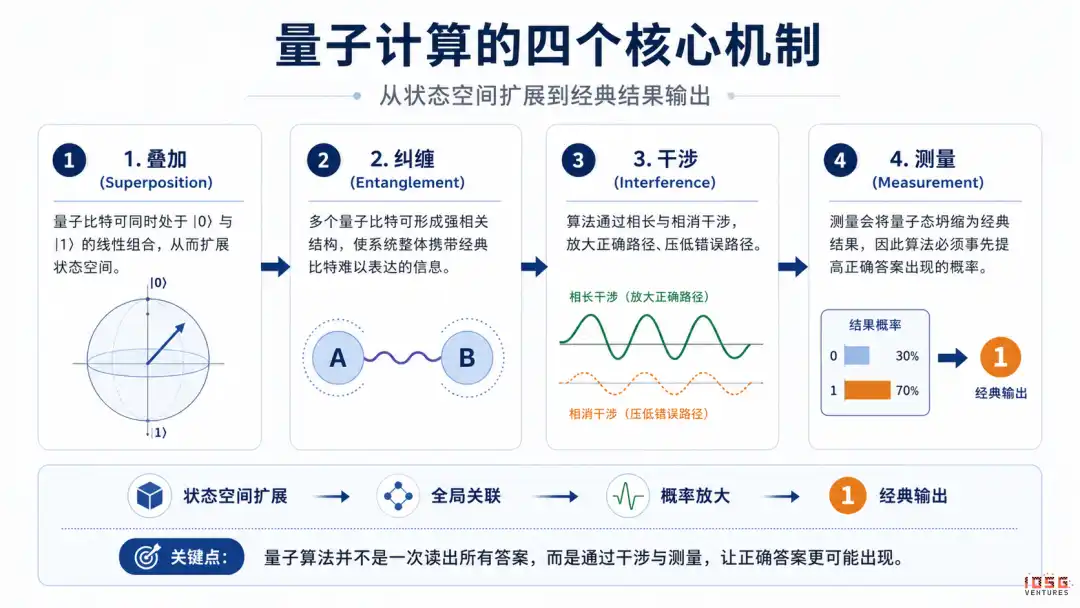
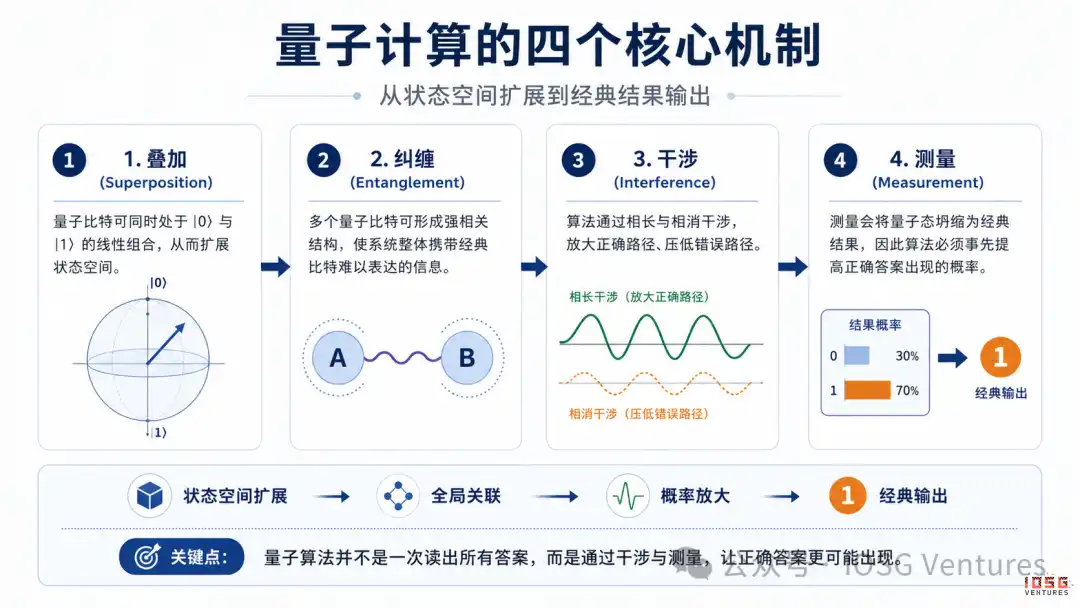
IOSG argues that quantum computing is less a sudden “endgame” for crypto than a long-duration repricing of blockchain security assumptions. In its latest analysis, the firm frames Q-Day—the point when a fault-tolerant quantum computer gains practical power to break mainstream public-key cryptography—as a systemic deadline for Web3 infrastructure. The report says Shor’s algorithm could undermine the cryptographic trust roots of major public blockchains such as Bitcoin and Ethereum, both of which rely heavily on elliptic-curve cryptography. The bigger constraint, however, is not the absence of post-quantum cryptographic tools, but the difficulty of coordinating migration across protocols, wallets, custodians, exchanges, bridges, and governance structures. IOSG highlights that Bitcoin’s biggest challenge lies in exposed public keys, dormant UTXOs, and the political question of whether legacy coins should be frozen or left vulnerable. Ethereum, by contrast, faces a broader engineering challenge: replacing cryptographic assumptions across the execution layer, consensus layer, data availability stack, and parts of the ZK ecosystem. The report concludes that while the broader preparation period may span 5 to 15 years, the practical engineering comfort window could be only 5 to 8 years.

1420
IOSG Says Q-Day Countdown Puts Bitcoin and Ethereum Under Post-Quantum Migration Pressure
Quantum Compu
2026-07-07 02:41:05

Q-Day Countdown Puts Bitcoin and Ethereum on Diverging Post-Quantum Paths

A MarsBit analysis argues that quantum computing is unlikely to erase blockchains overnight, but it could trigger a long, systemic rewrite of crypto security assumptions. The piece frames the main risk around “Q-Day,” the point at which a cryptographically relevant fault-tolerant quantum computer becomes capable of breaking mainstream public-key cryptography in practice. Current estimates place that window mostly around 2035–2045, with more aggressive scenarios suggesting 2030–2035. The report says the real issue is not the absence of post-quantum cryptography, but whether the crypto industry can coordinate migration before attacks become economically viable. Bitcoin’s challenge is concentrated in exposed public keys, dormant legacy UTXOs, signature bloat, and governance conflict over how to treat coins that never migrate. Ethereum, by contrast, faces a broader full-stack transition involving EOAs, validator signatures, KZG commitments, data availability, and parts of the ZK stack. The article concludes that post-quantum migration is fundamentally a coordination and governance problem, not a simple cryptographic swap. For markets, repricing may begin well before Q-Day itself if hardware roadmaps accelerate, resource estimates fall, or regulators and custodians start demanding PQC compliance.

1200
Q-Day Countdown Puts Bitcoin and Ethereum on Diverging Post-Quantum Paths
2026-07-06 09:00:12

Cysic Open-Sources Venus zkVM as Ethereum Eyes L1 Proof Markets

Cysic has open-sourced its Venus zkVM engine, shifting proof generation to a global computation graph architecture. The move strengthens ZisK’s position in Ethereum’s emerging EIP-8025 proof market debate, with the project highlighting faster proof generation, improved GPU utilization, and live integration with Ethproofs.

220
Cysic Open-Sources Venus zkVM as Ethereum Eyes L1 Proof Markets
2026-07-06 08:56:15

Cysic Open-Sources Venus zkVM as Ethereum Proof Market Gains Momentum

Cysic has open-sourced its Venus zkVM engine, replacing the traditional HAL approach with a global computation graph. The move strengthens its ZisK stack’s position in Ethereum’s emerging EIP-8025 proof market and highlights growing competition in real-time proof infrastructure.

230
Cysic Open-Sources Venus zkVM as Ethereum Proof Market Gains Momentum