
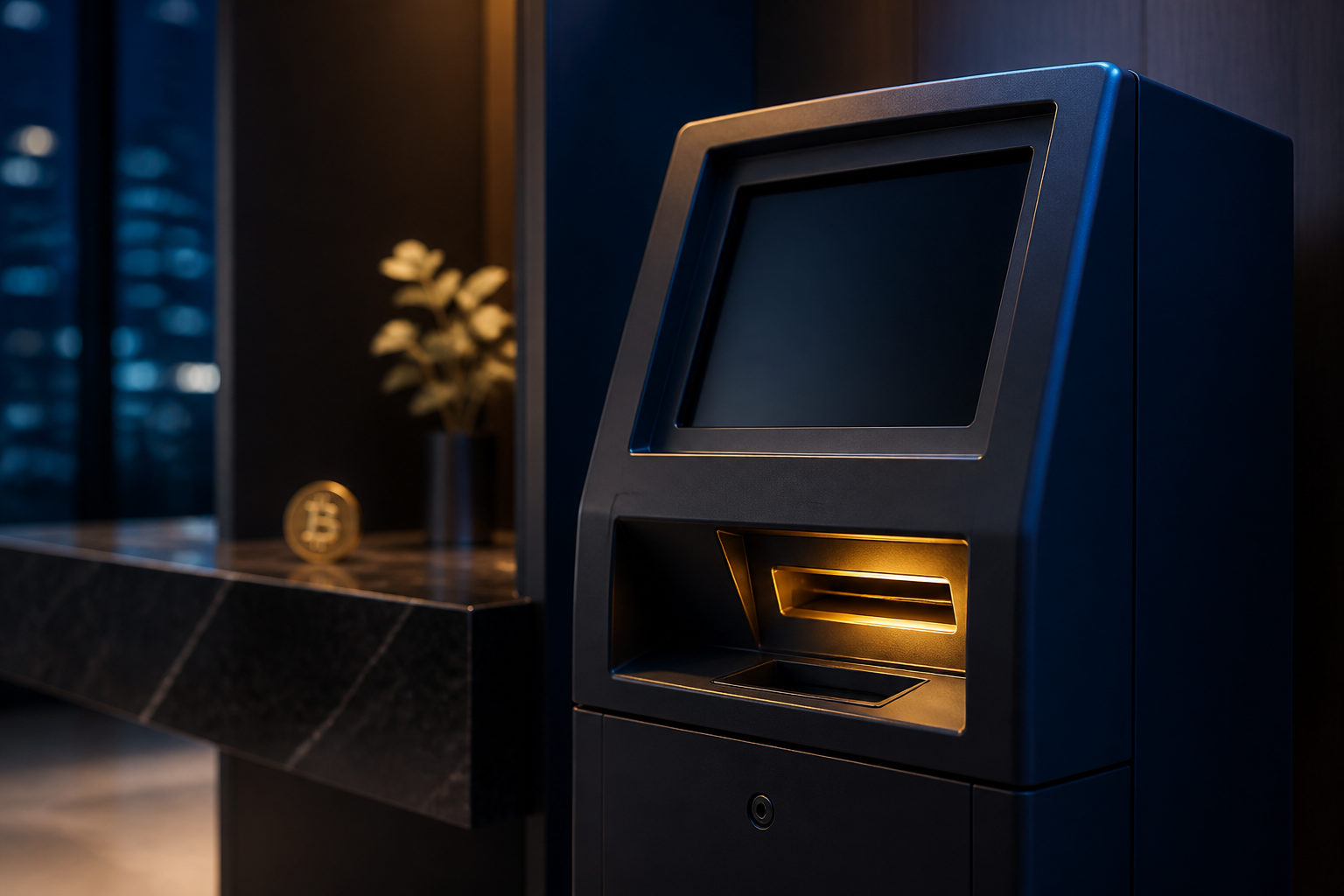
Athena Bitcoin usually refers to a company, service brand, or Bitcoin ATM operation connected to buying and selling Bitcoin. It does not usually mean a separate cryptocurrency called Athena Bitcoin.
What the name usually means
Beginners often read brand-plus-coin phrases as if they were token names. That is why “Athena Bitcoin” can sound like a new digital asset at first glance. In most cases, though, Athena is the business name and Bitcoin is the asset the business deals with.
This distinction matters because it changes what question you should ask next. If the term points to a service provider, the useful follow-up is not “What blockchain does it run on?” but “What service does it offer?” You are likely looking at a Bitcoin ATM network, a retail purchase channel, an account-based buying service, or a mix of those functions under one brand.
How it differs from Bitcoin itself
Bitcoin is the native asset of the Bitcoin network. Its genesis block dates to January 2009, its supply cap is 21 million coins, and its smallest unit is the satoshi, with 1 satoshi equal to one hundred millionth of a BTC. Those are features of Bitcoin itself, not of any one company that helps people access it.
A company such as Athena Bitcoin, if it offers Bitcoin-related services, sits at the access layer. It may help users exchange fiat money for BTC, sell BTC, or move funds through a kiosk or account interface. That does not make the company the same thing as the Bitcoin network, and it does not mean the company is your wallet.
There is another layer many new users miss: custody. After a purchase, Bitcoin may go straight to a wallet address you control, or it may remain inside the provider’s own account system until you withdraw it. The user experience can look similar at first, but the level of control is very different.
Why people encounter the term in ATM searches
Many people meet Bitcoin through a real-world setting before they learn the technical basics. They see a kiosk in a store, hear about a place that lets customers buy BTC, or come across a brand name tied to a physical machine. That leads them to search for the brand and the asset together.
In that context, “Athena Bitcoin” often appears next to the term Bitcoin ATM. A Bitcoin ATM is better understood as a self-service point for buying or selling Bitcoin than as a traditional bank ATM. Depending on the operator, it may ask for identity verification, payment details, a wallet address, or all three. The exact flow depends on the provider, so the label ATM does not tell you everything by itself.
That is also why beginners get confused when search results mix company pages, machine locations, account signup screens, wallet instructions, and general Bitcoin education. One search phrase can point to several related topics, and each one solves a different problem.
What to check before using a service like this
Start with the role the service plays. Is it a physical machine, a staffed retail channel, an online account, or a hybrid setup? That determines what information you may need to provide and what sort of transaction you are actually completing.
Then check where the Bitcoin goes after the purchase. Some services send BTC directly to a personal wallet address. Others show a balance inside a hosted account first. If you want direct control over the asset, this point is more important than branding or convenience.
Costs need a careful read as well. The total cost may show up through the quoted buy or sell rate, the spread, withdrawal conditions, or network fees. A beginner who looks only at the displayed exchange rate may miss the part that affects how much BTC arrives at the end.
It also helps to look for clear information on verification rules, transaction review, failed payments, and withdrawal steps. A clean interface is useful, but a transparent process is what prevents confusion later.
How it compares with an exchange, a wallet, and a Bitcoin ATM
These terms often get blended together, even though they refer to different parts of the process.
- Wallet: a tool that manages addresses and private keys and lets you receive or send BTC.
- Exchange or broker service: a venue or service used to buy and sell Bitcoin with fiat money.
- Bitcoin ATM: a physical machine or kiosk used to carry out part of that buy or sell process.
- Service brand: a company name that may cover machines, customer support, account systems, and transaction flows.
So when someone asks what Athena Bitcoin is, the clearest answer is usually that it is a brand or service related to Bitcoin access, not a separate coin with its own monetary policy. Once you identify the role, the rest of the research becomes easier: wallet setup, verification requirements, withdrawal rules, or transaction mechanics.
FAQ
Is Athena Bitcoin a new cryptocurrency?
Usually no. The phrase most often points to a company, a service brand, or a Bitcoin ATM operation tied to Bitcoin purchases and sales.
If the page is talking about kiosks, account registration, cash purchases, or service locations, you are probably reading about a provider rather than a coin.
Does using an Athena Bitcoin ATM mean I already have a wallet?
No. An ATM is a transaction access point, while a wallet is what holds your keys and manages your receiving and sending addresses.
If the Bitcoin is sent straight to a wallet you control, your position is clearer. If it stays inside the provider’s system first, you still need to check the withdrawal process.
How can I tell whether I am buying actual BTC?
Look at the asset label, the transaction confirmation, and the withdrawal or delivery method. If the service identifies the asset as BTC and can send it to a standard Bitcoin address, that is usually the key sign.
Do not rely on branding alone. Read the screen that shows what asset you receive and how it can be moved afterward.
Should I learn Bitcoin basics before looking at brands like Athena Bitcoin?
Yes, if your goal is to avoid basic confusion. A short understanding of wallets, private keys, addresses, and on-chain transfers makes every service description easier to read.
If you are ready to make a purchase, learn both sides at once: how Bitcoin custody works and how the provider handles identity checks, fees, and withdrawals.
Before using a service called Athena Bitcoin, set up a wallet you control, confirm that the asset shown is BTC, and read the withdrawal and fee details carefully. Those checks tell you far more than the brand name alone.