
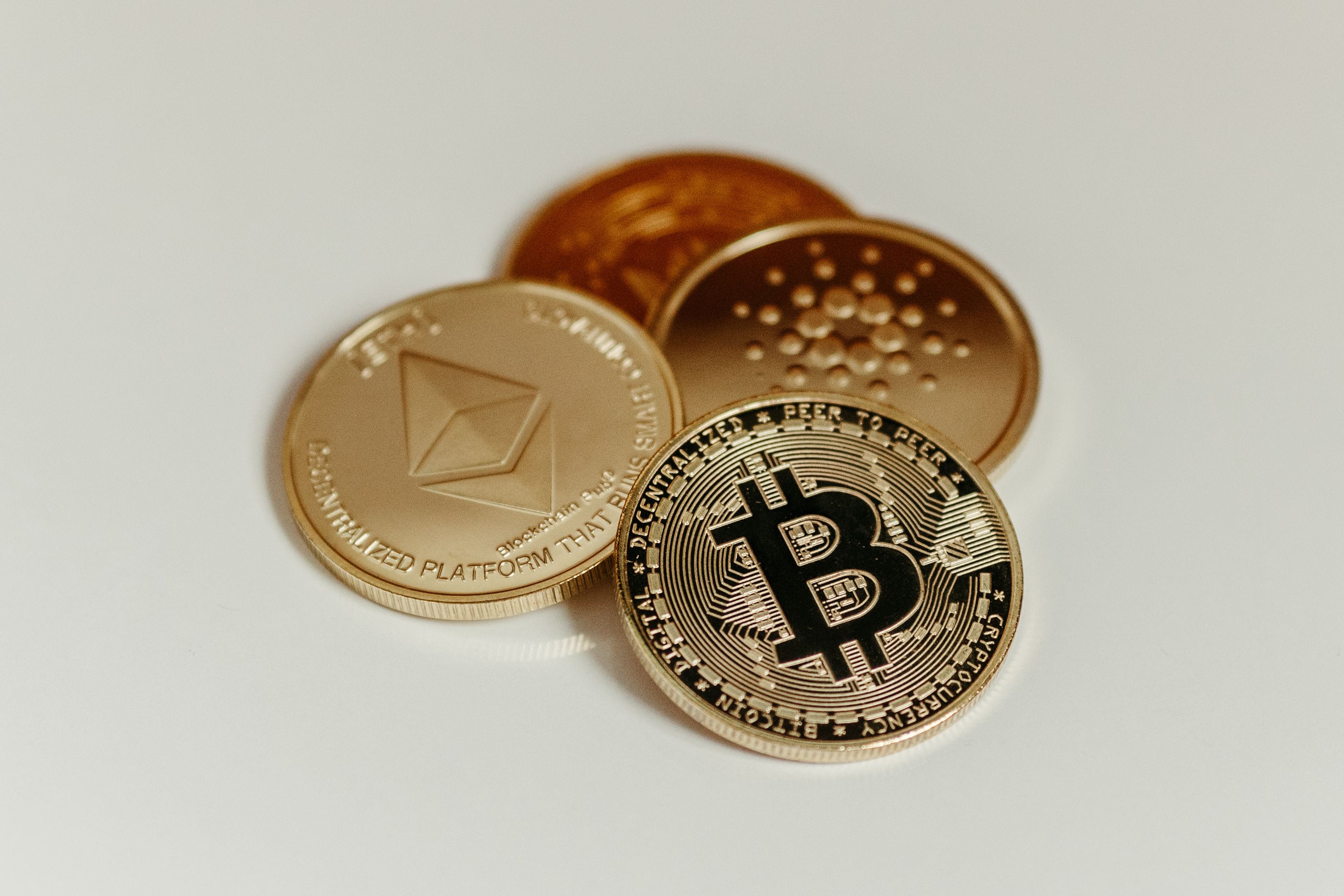
Bitcoin and Bitcoin Cash are different cryptocurrencies. In simple terms, Bitcoin is often viewed as a store-of-value asset, while Bitcoin Cash is built around the idea of on-chain payments and everyday transfers.
How they are related
The confusion starts with the name. Bitcoin Cash came from a split in Bitcoin, which means the two networks share early blockchain history but later separated because their communities chose different rules and priorities.
Since that split, they have operated as independent networks. They have different tickers, different software support, different user bases, and different ideas about what the system should optimize for.
The main difference is the goal
| Aspect | Bitcoin | Bitcoin Cash |
|---|---|---|
| Primary emphasis | Often viewed as a store-of-value asset | Built around the idea of on-chain payments and everyday transfers |
| How users and market participants often treat it | Many now treat it more like a scarce digital asset held for the long term | Takes a more direct payment-first approach |
| Supporters’ priority | Still described in terms of peer-to-peer electronic cash, yet emphasis in practice is often on long-term holding | Supporters want more activity handled on-chain and tend to frame it as a better fit for spending |
| Critics’ focus | Critics focus on the trade-offs that can come with scaling choices, including how network participation and node operation may change over time | |
| Practical beginner question | The useful question is what each network is trying to prioritize, rather than which one is the “real” version. | |
What this means for regular users
BTC and BCH are not interchangeable
| Item | Bitcoin | Bitcoin Cash |
|---|---|---|
| Ticker | BTC | BCH |
| Practical takeaway | When buying, selling, depositing, or withdrawing, the ticker matters more than the similar names. | |
Wallet support can differ
| Aspect | Details |
|---|---|
| Wallet support | Some wallets support both assets, but many support only one or handle them in separate sections. |
| Before sending funds | Check the asset name, the ticker, and the receiving wallet’s supported network. |
People often use them with different expectations
| Aspect | Bitcoin | Bitcoin Cash |
|---|---|---|
| Typical user interest | Long-term holding, macro narratives, or the idea of digital scarcity | Direct spending and transfer usability |
| Important note | Neither assumption covers every user, but it helps explain why the two communities talk past each other so often. | |
Common misunderstandings
| Misunderstanding | Reality |
|---|---|
| “Bitcoin Cash is just another name for Bitcoin.” | It is not. They are separate assets with separate markets. |
| “Cash” means stable like government money. | It does not. The name points to payment use, not price stability. |
| If it came from Bitcoin, it must carry the same status. | Shared origin does not guarantee shared adoption, trust, or demand. |
| A wrong transfer can always be fixed later. | Recovery depends on the platform and wallet involved, so checking details first is the safer move. |
FAQ
Is Bitcoin Cash the same thing as Bitcoin
No. Bitcoin Cash shares part of Bitcoin’s history, but today it runs as a separate cryptocurrency with its own network and ticker.
What is the easiest way to tell them apart
Look at the ticker symbol before anything else. BTC means Bitcoin, and BCH means Bitcoin Cash.
Why do people compare Bitcoin and Bitcoin Cash so often
They share a name and an early origin, so beginners naturally put them side by side. The comparison keeps coming up because their split was about different views on how this type of system should work.
Which one is better for payments
People often ask this because Bitcoin Cash puts more emphasis on payment use. Still, the practical answer depends on wallet support, merchant acceptance, and the platform you use.
What should I check before buying or sending either one
Confirm whether you are dealing with BTC or BCH, then check the wallet and network support shown on the platform. Similar names are one of the easiest ways for beginners to make avoidable mistakes.
If your goal is simply to avoid confusion, use a short checklist every time: verify the ticker, confirm wallet support, and only then send or buy the asset.