
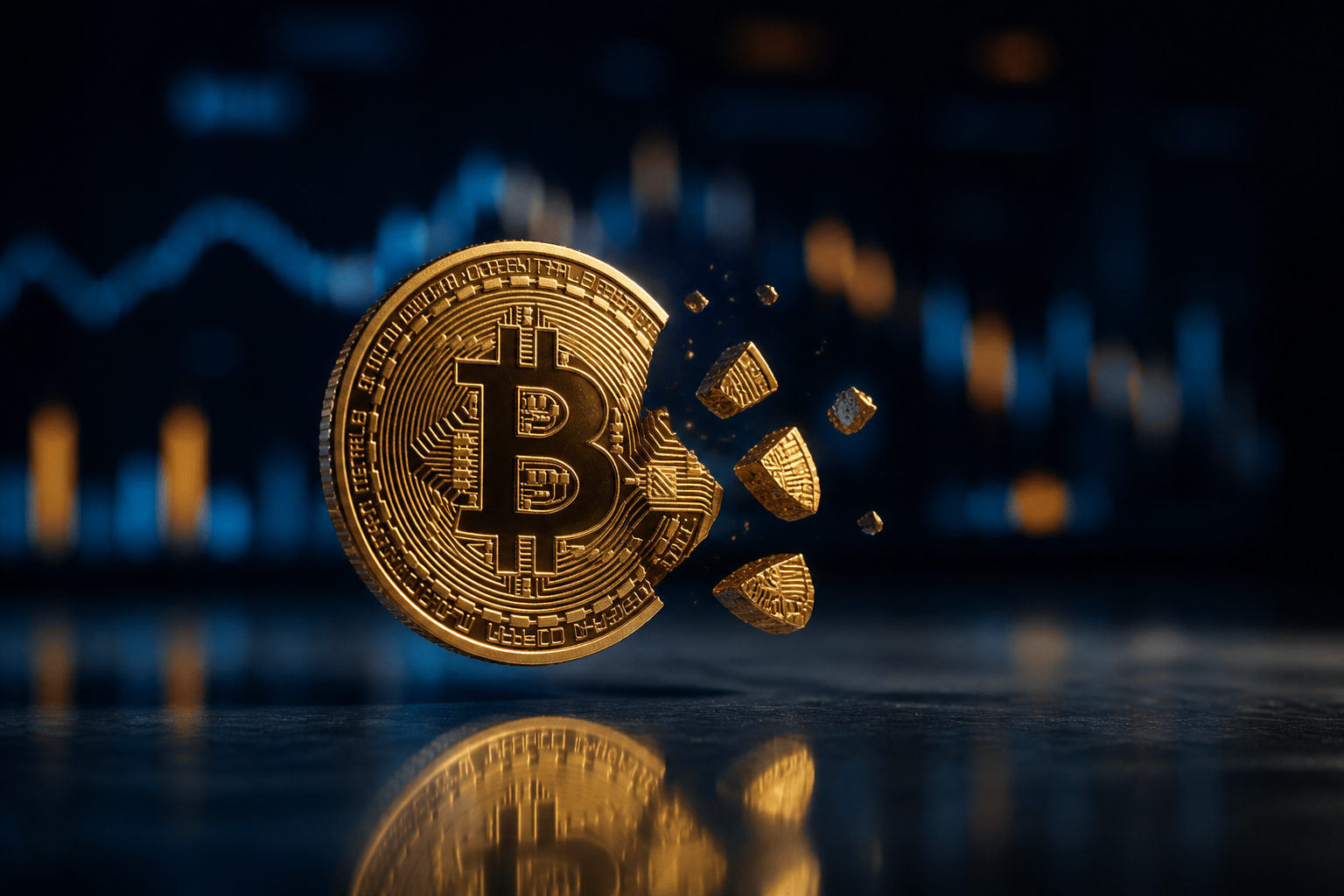
Yes, you can buy a fraction of a bitcoin. You do not need to purchase a whole BTC first, because bitcoin is divisible into very small units and most retail buyers hold only a partial amount.
What a fraction of a bitcoin actually means
A lot of beginners picture bitcoin as something you must buy in full, almost like a collector item with a single-piece price tag. That mental model causes the confusion. In practice, BTC works more like a unit that can be split again and again, which is why wallet balances and exchange positions often show up as decimals.
The smallest unit is called a satoshi, and 1 satoshi equals one hundred millionth of a BTC. That matters. It means a fraction of a bitcoin is not a special version of bitcoin, not a stripped-down product, and not some workaround invented for small buyers. It is simply bitcoin being used as designed.
| Term | Meaning | Why it matters |
|---|---|---|
| 1 BTC | One whole bitcoin | Just a common unit of account, not a minimum purchase size |
| Fractional bitcoin | Any holding below 1 BTC | This is how many people actually own bitcoin |
| 1 satoshi | One hundred millionth of a BTC | Shows how finely BTC can be divided |
Why most people already buy bitcoin in fractions
On many platforms, the buying flow starts with your budget, not with a target number of coins. You enter an amount in dollars, the platform converts it into the matching BTC amount, and your balance appears as a decimal. Simple. Very normal.
This is why the idea that you must wait until you can afford a whole coin misses the point. For most users, the real questions are different: Do you understand the price swings? Do you know where the asset will be held after purchase? Can you move it out, or does it stay as a platform balance only?
Another mistake shows up here. People sometimes compare assets by the number of units they can buy and assume the one with the bigger count feels cheaper or easier to own. That shortcut breaks down with bitcoin, because divisibility changes the picture. Owning less than 1 BTC does not make the asset different, and owning a lot of units in some other coin does not make it safer.
What to check before buying a small amount of BTC
Buying a fraction of a bitcoin sounds straightforward, but the details shape the experience. A beginner should look at the order method, the fee structure, whether BTC withdrawals are available, and how the account screen presents the holding.
| Checkpoint | What to verify | Why it matters |
|---|---|---|
| Order style | Whether you buy by dollar amount or by BTC amount | Changes how you manage a budget |
| Asset form | Whether you receive withdrawable BTC or only an internal platform position | Determines what you actually control |
| Fees | Whether the platform charges trading fees, withdrawal fees, or uses a spread | Small purchases feel fee impact more quickly |
| Storage | Whether you keep it on the platform or move it to your own wallet | Affects both security and flexibility |
Pay attention to how the balance is shown. Some apps display the BTC amount and a dollar estimate side by side. New users often stare at the dollar figure because it feels more familiar, but that number moves with the market. Your actual holding is the BTC amount itself.
Withdrawal support matters for a different reason. If you want to learn how on-chain transfers work, or if you want personal control over your coins, you need a service that lets you send BTC to your own wallet. Some products are built mainly for buying and selling exposure inside the platform. That is a very different setup from holding transferable bitcoin.
When a fraction of a bitcoin makes sense
For many people, starting small is the most realistic way in. It gives you room to learn without attaching every click to a large emotional burden. You get to see how balances are displayed, how wallet addresses work, what confirmation means, and how custody choices affect you.
If your goal is investing, fractional ownership still gives you the same asset exposure in proportion to your size. If your goal is education, a small holding is useful because it turns abstract ideas into things you can actually inspect and use. Different purpose, same instrument.
| Use case | Why a fraction works | Main point to watch |
|---|---|---|
| First-time learning | Lets you practice with real BTC while keeping pressure lower | Do not ignore wallet and withdrawal rules |
| Recurring buys | Fits a fixed budget more naturally | Fees can chip away at small positions |
| Portfolio allocation | Makes position sizing easier | Set your risk tolerance before buying |
| On-chain practice | Helps you understand addresses and transfers | Double-check the destination address before sending |
How to tell whether your “fraction of bitcoin” is really BTC
The label alone is not enough. Look for a clear BTC asset code, a readable product description, transaction records that match your order, and support for deposits or withdrawals if that matters to your use case.
If a service talks a lot about tracking bitcoin price moves but says little about transferability, stop and read more closely. Price exposure and transferable BTC are not the same experience for the user. One behaves like a platform product tied to bitcoin. The other is an asset you may be able to move to a bitcoin wallet.
There is also a smaller but common distraction: people obsess over whether their decimal balance looks neat. It does not matter much. What matters far more is whether the fees are clear, whether account security tools are enabled, and whether you actually understand the unit displayed on the screen.
FAQ
Do I need enough money for one full bitcoin before I start?
No. A fraction of a bitcoin is still bitcoin, so the practical question is not whether you can afford a whole coin but whether the purchase fits your risk tolerance and purpose.
Is a fraction of a bitcoin different from a whole bitcoin?
Not in asset type. The difference is only the amount you hold, so any gain or loss reflects your position size rather than a separate class of BTC.
Can I move a small amount of bitcoin to my own wallet?
Sometimes yes, sometimes no. That depends on the platform you use, so check withdrawal support before you buy if self-custody or on-chain use matters to you.
Why does the app show both BTC and a dollar value?
The BTC figure represents the amount you hold. The dollar value is only a market-based estimate at that moment, so it can change even when your BTC balance stays the same.
How can I confirm that I bought actual BTC?
Check the asset code, product details, and account records first. If the service also supports sending the asset to a bitcoin wallet, that gives you another useful clue about what you hold.
Before placing an order, read the fee rules, wallet options, withdrawal support, and balance display carefully. The main issue is not whether you own a full coin. It is whether you understand what that fraction of a bitcoin represents, how it is stored, and what you can do with it afterward.
Disclaimer: This article is for informational and educational purposes only and is not investment, financial, or legal advice. Crypto assets are highly volatile and you could lose your entire investment. Do your own research and decide carefully.