
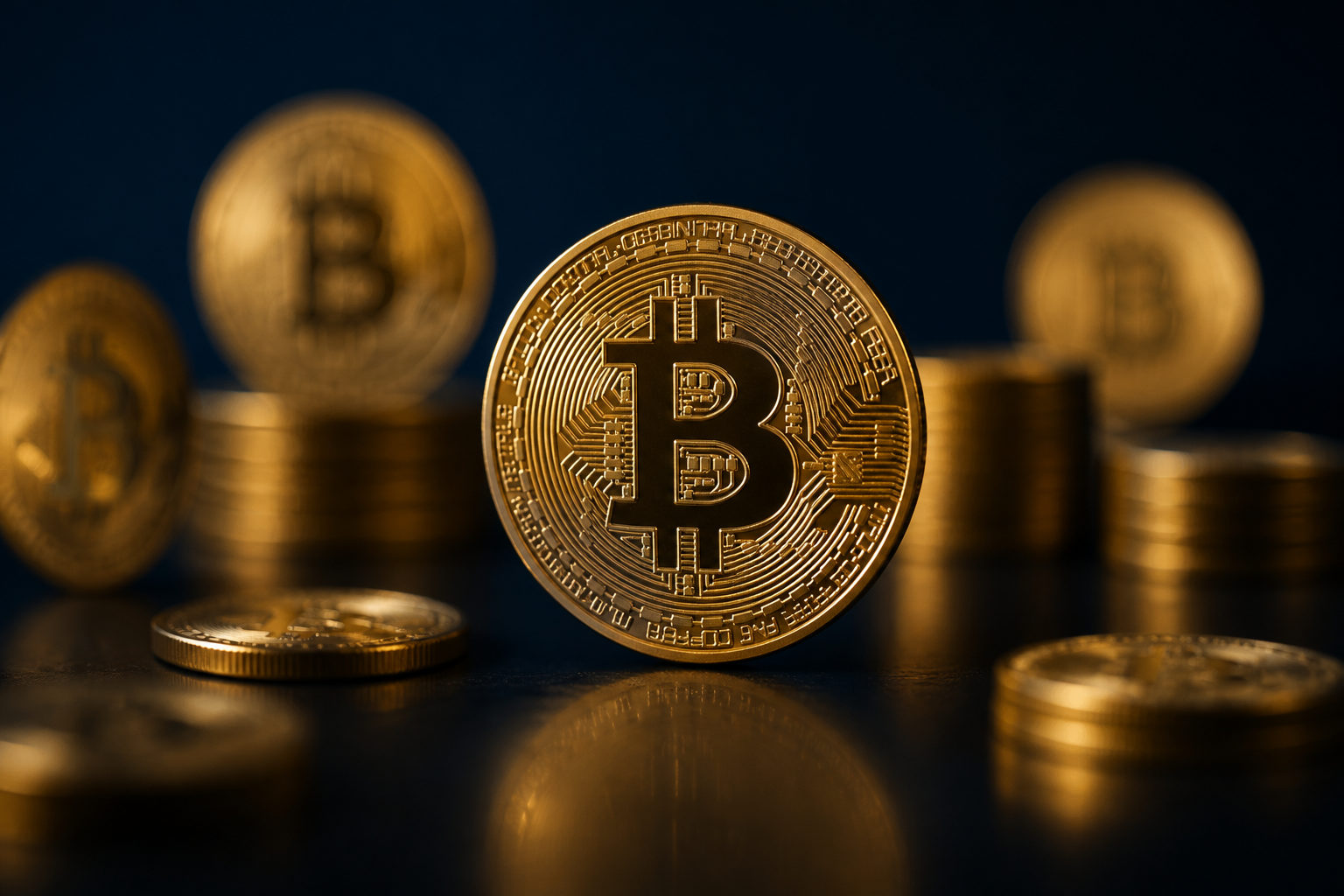
The “most popular bitcoins” are usually not many different coins. In most cases, people are talking about one asset, BTC, while mixing in ticker symbols, units, and bitcoin-linked products.
Start with the boundary: Bitcoin itself is mainly one thing
For beginners, this topic gets confusing because the word bitcoin is used too loosely. In the strict sense, the native asset of the Bitcoin network is Bitcoin, most commonly shown as BTC. In some trading or financial settings, you may also see XBT, which often points to the same underlying asset.
That does not mean every item with “bitcoin” in the name is the same thing. Some people mean spot BTC on the Bitcoin blockchain. Others mean an exchange-traded product, trust, or fund tied to Bitcoin. Some include separate cryptocurrencies with similar branding. Once those categories are mixed together, the question sounds bigger than it really is.
| Common label | What it refers to | Usually the same as Bitcoin itself? |
|---|---|---|
| BTC | The standard market ticker for Bitcoin | Yes |
| XBT | An alternate ticker used in some settings | Often yes |
| Satoshi or sat | The smallest Bitcoin unit, 1 sat = 0.00000001 BTC | Yes, it is the same asset in smaller units |
| Bitcoin ETF or similar product | An investment wrapper linked to Bitcoin | No, it is a product tied to Bitcoin |
| Coins with “Bitcoin” in the name | Separate cryptocurrencies | No |
The versions people most often mean when they say “bitcoin”
BTC: the one most people are actually discussing
If no extra context is given, Bitcoin usually means BTC. This is the asset tied to the Bitcoin blockchain, described in the white paper released by Satoshi Nakamoto on 2008-10-31, with the genesis block mined on 2009-01-03.
BTC stays at the center of most conversations because it has the strongest recognition and the clearest identity. For a new reader, getting this part right matters more than memorizing a long list of related terms.
XBT: a different code, often the same asset
Seeing XBT for the first time can make it look like another coin. In practice, it is often just an alternate ticker used by certain platforms, derivatives venues, or financial publications.
The safer habit is to read the asset description, not just the letters. If the product details point to Bitcoin on the Bitcoin network, then the label change does not mean you are looking at a different cryptocurrency.
Sats: smaller pieces of Bitcoin, not a separate coin
Many beginners assume they need to buy a full coin. They do not. Bitcoin can be divided into very small units, with 1 satoshi = 0.00000001 BTC.
That means a person can hold a fraction of a bitcoin and still own Bitcoin. When an app shows sats instead of BTC, it is changing the display format, not the asset itself.
Bitcoin-linked investment products
Another category often included in “popular bitcoins” is made of products that track or hold Bitcoin in some form. These may appeal to investors who want exposure without handling wallets, keys, or on-chain transfers.
That convenience creates a common misunderstanding. Owning shares in a Bitcoin-related product is not the same as holding BTC directly on the network. The rights, custody model, and transfer options can be very different.
Other cryptocurrencies with similar names
Some assets use “Bitcoin” in their names or branding. That can reflect history, a fork, or a marketing choice, but it does not make them interchangeable with BTC.
For a beginner, this is one of the easiest places to make a costly mistake. A familiar name can hide very different rules, liquidity, and risk.
Why people think there are “many bitcoins”
One reason is presentation. A trading app may use BTC, another service may show XBT, and another may quote balances in sats. The screen changes while the underlying asset may stay the same.
A second reason is the number of access points. A person may see Bitcoin in a crypto exchange account, a brokerage account, or a retirement product menu. Each route can carry a different legal and practical structure, even when the word Bitcoin appears on every page.
A third reason is loose language online. Articles, social posts, and videos often group spot Bitcoin, Bitcoin products, and similar-sounding coins into one bucket. That may be convenient for headlines, but it is poor guidance for someone trying to understand what they are buying.
| Source of confusion | Common beginner mistake | Better reading |
|---|---|---|
| Different tickers | Thinking XBT is a different coin | It often refers to Bitcoin under another code |
| Different units | Thinking less than 1 BTC does not count | Bitcoin is divisible down to sats |
| Investment wrappers | Assuming a fund share equals direct BTC ownership | These are separate holding structures |
| Similar names | Assuming anything with “Bitcoin” is Bitcoin | Each asset must be checked on its own terms |
How to tell whether something is actually Bitcoin
First, read the ticker and the asset description together. If it says BTC and clearly describes the native asset of the Bitcoin network, that is the direct route. If it says fund, trust, ETF, or contract, then you are looking at a product built around Bitcoin rather than Bitcoin itself.
Second, check whether the service allows withdrawal to your own wallet. That does not answer every legal or custody question, but it helps separate direct BTC ownership from account-based exposure.
Third, compare the asset with Bitcoin’s core rules. Bitcoin has a hard cap of 21,000,000 BTC, issuance that runs roughly until 2140, a target block time of about 10 minutes, and a halving every 210,000 blocks. The latest halving took place on 2024-04-19, and the current block subsidy is 3.125 BTC. Those are basic reference points for the asset itself.
If something only tracks Bitcoin’s price, it may still be useful to some investors, but it should not be confused with native BTC. That single distinction clears up a large share of beginner mistakes.
FAQ
Is BTC the same thing as Bitcoin?
In normal usage, yes. BTC is the standard ticker most people see when they are looking at Bitcoin on an exchange or market screen.
Is XBT a different cryptocurrency?
Usually no. It is often just an alternate code for Bitcoin, though you should still read the product description to see whether the page refers to spot BTC or a packaged financial instrument.
Do I need to buy a whole bitcoin?
No. Bitcoin is divisible, and the smallest unit is the satoshi. Because 1 sat equals 0.00000001 BTC, even a small purchase can still be a real Bitcoin holding.
Are coins with “Bitcoin” in the name the same as BTC?
No. A similar name does not make an asset identical to Bitcoin. You need to verify the blockchain, ticker, and product details before treating it as the same thing.
What is the main difference between holding BTC and buying a Bitcoin product?
The biggest difference is the structure of ownership. Direct BTC holding relates to wallets and on-chain transfer, while a product gives exposure through a separate legal and custody setup.
Before acting on any “most popular bitcoins” list, check the ticker, the asset description, and whether withdrawal to a personal wallet is supported. Those three checks remove a lot of noise very quickly.
Disclaimer: This article is for informational and educational purposes only and is not investment, financial, or legal advice. Crypto assets are highly volatile and you could lose your entire investment. Do your own research and decide carefully.