
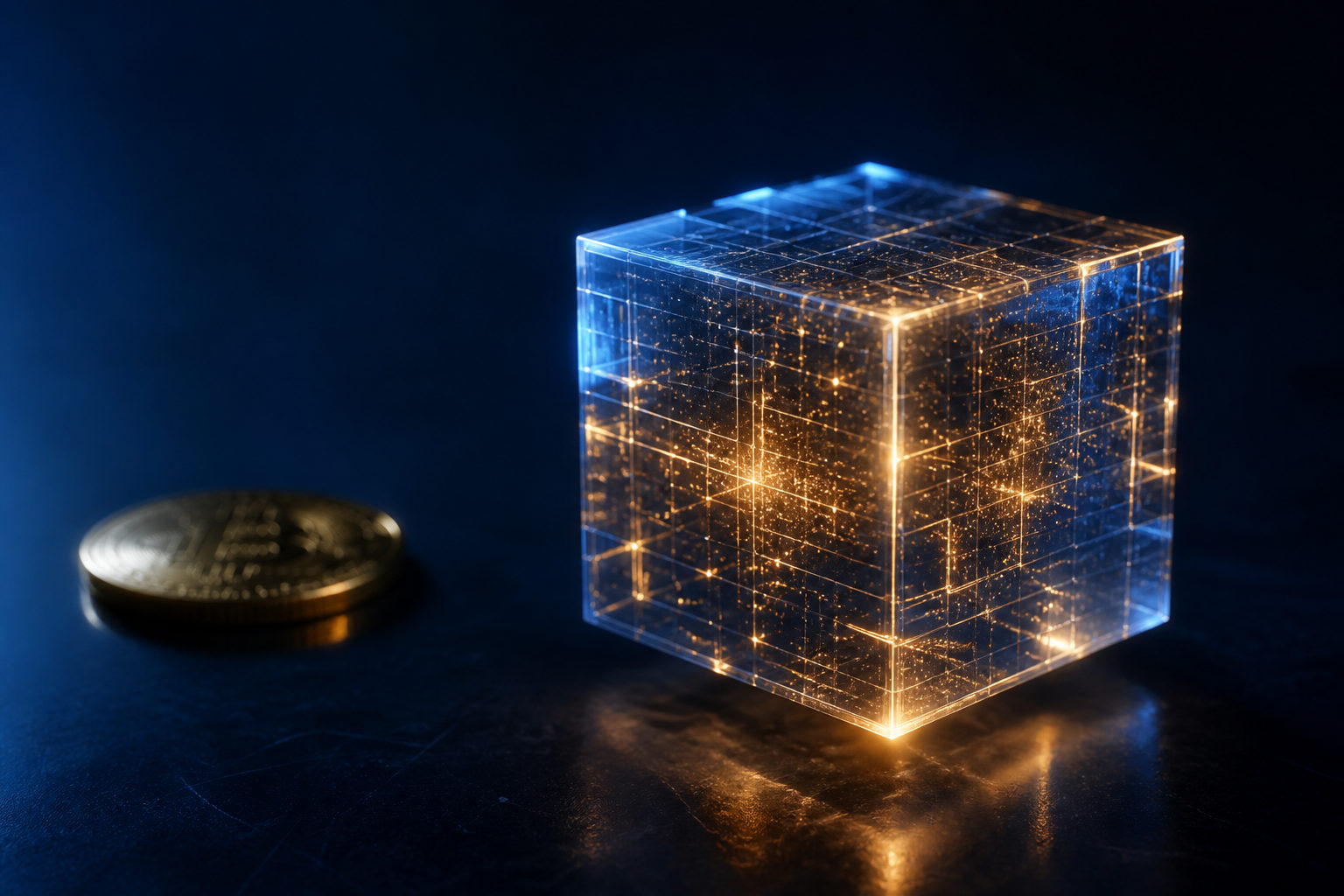
A real bitcoin is not a physical coin. It is a digital asset recorded on the Bitcoin blockchain, and ownership comes from control over the relevant private keys.
What people mean by a real bitcoin
Beginners often picture bitcoin as a metal token, a collectible coin, or something stored like cash in a drawer. That picture is misleading. A real bitcoin exists as an entry within a public blockchain system that the network can verify.
Its reality does not depend on shape, paper certificates, or a bank branch. Bitcoin is considered real because its ledger is public, its rules are known in advance, and transfers can be checked by anyone using the network.
Why bitcoin is not a real coin in the physical sense
Bitcoin was introduced as a peer-to-peer electronic cash system. Satoshi Nakamoto published the 2008 white paper, Bitcoin: A Peer-to-Peer Electronic Cash System, and the genesis block appeared in January 2009. From the start, bitcoin was designed as native internet money rather than a digital version of an existing physical coin.
You may still see metal items stamped with the BTC symbol and sold as souvenirs. Those objects can be collectibles, gifts, or novelty pieces. Even when a physical item includes a printed key or address, the object itself is not the bitcoin; the actual value is the blockchain balance tied to valid control credentials.
Common things people confuse with bitcoin
- Collectible coins: They may look impressive, but they do not become bitcoin just because they use the logo.
- Physical key holders: A card, paper wallet, or metal plate can store access information, yet it is only a container for that information.
- Exchange balances: The number shown in an account may reflect a custodial claim rather than direct self-control of coins.
How a bitcoin is actually held
People often say bitcoin is stored in a wallet, but that is only a shortcut. Wallet software mainly helps you manage addresses and sign transactions. The bitcoin itself remains on the blockchain as part of the network's shared ledger.
What matters is the private key. If you control the private key, you usually control the ability to move that bitcoin. If a platform controls the key and you only see a balance after you log in, your access depends on that service's custody model and withdrawal rules.
A real bitcoin also does not require owning a full unit. Bitcoin is divisible, and its smallest unit is the satoshi: 1 satoshi = one hundred millionth of a BTC. That means someone can own a small fraction and still own real bitcoin.
Why bitcoin is still considered real
Some people hear that bitcoin is digital and assume it must be imaginary. That does not follow. Many valuable assets today are recorded electronically rather than handed over as physical objects. What gives them reality is enforceable control, recognized records, and the ability to transfer or verify ownership.
Bitcoin adds another layer to that idea because no single company or government keeps the master copy of the ledger. The network updates through a shared process, new blocks appear about every 10 minutes, and issuance follows preset rules. The supply is capped at 21 million coins, and the block subsidy halves about every 4 years, or every 210,000 blocks.
That is why bitcoin is better described as verifiable digital scarcity than as a token you can hold in your hand. It is not arcade credit, and it is not just a number a platform can rewrite at will.
FAQ
Is bitcoin a real coin?
Not as a physical coin. Bitcoin is a digital asset on a blockchain, so the word “coin” is a name carried over from money, not a description of its form.
Are bitcoins real if I cannot touch them?
Yes. Their reality comes from public records, network verification, and actual transferability, not from metal or paper form.
Is a metal bitcoin souvenir the same as owning bitcoin?
No. A souvenir may represent the idea of bitcoin, but it is not the asset itself unless it gives you valid, usable control over blockchain-held funds.
Do I need one whole BTC to own a real bitcoin?
No. Bitcoin can be divided into very small units, so even a fraction is still real bitcoin. Ownership is not limited to people who hold a full coin.
How can I tell whether I own actual bitcoin?
Check whether the asset can be verified on-chain and whether you control the private keys or can withdraw to a wallet you control. A number on a platform screen alone does not answer that question.
If you want to understand a real bitcoin, separate three ideas first: blockchain assets, exchange account balances, and physical memorabilia. Once those are clear, wallets, addresses, and private keys make much more sense.