
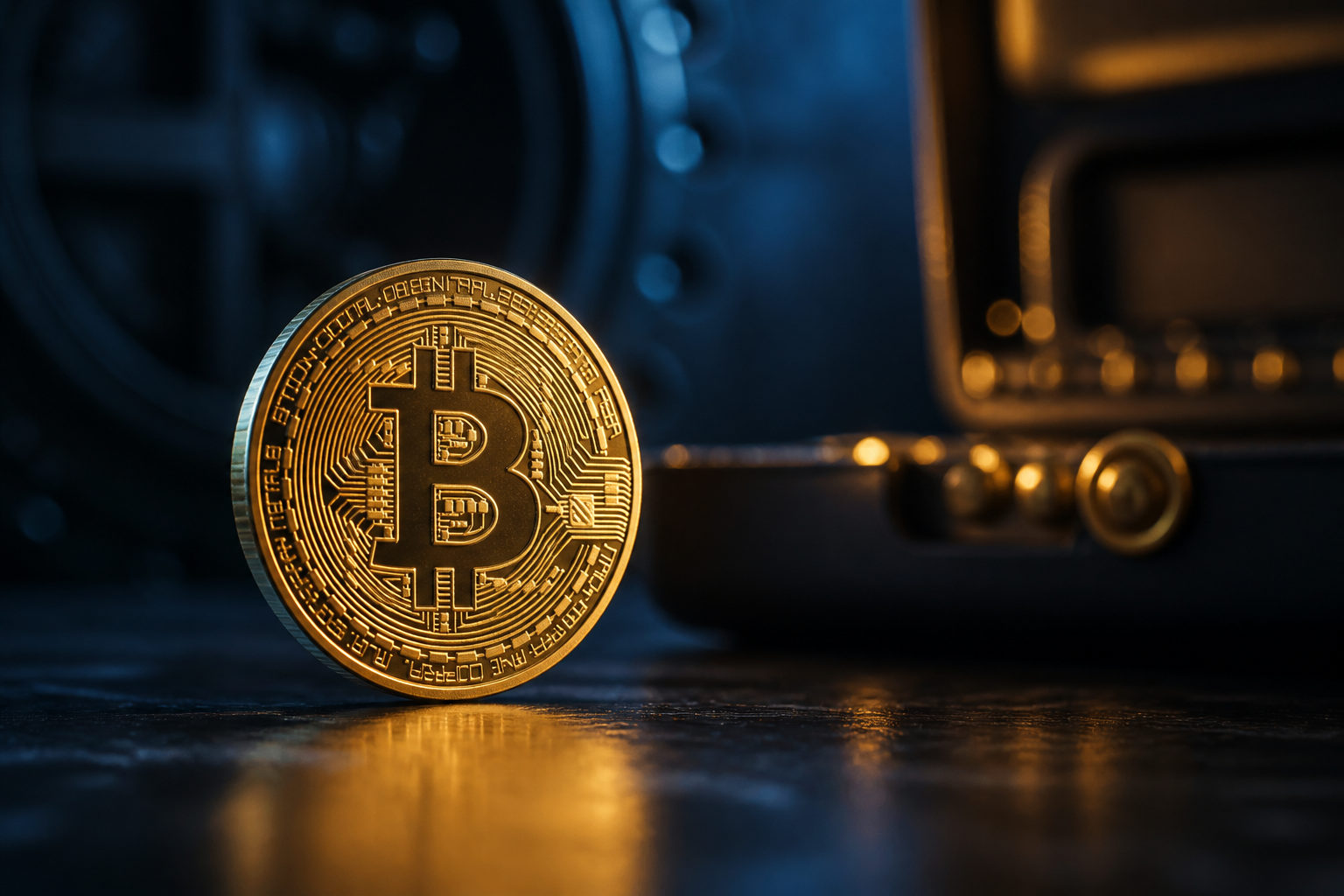
Are physical bitcoins valuable? Sometimes, yes. Their value usually comes from one of two things: access to real bitcoin tied to the object, or collector demand for the object itself.
What a physical bitcoin actually is
Bitcoin is a digital asset, not a coin you can hold in your hand. Since the genesis block on 2009-01-03, it has existed on the blockchain as a system of ownership records controlled by private keys.
A “physical bitcoin” is usually a coin, token, card, or similar item that either references bitcoin as a theme or stores key information connected to bitcoin. That difference matters. A metal token with a Bitcoin logo may be nothing more than a souvenir, while a loaded physical piece may contain access to real BTC.
| Type | What it includes | Main source of value | Common mistake |
|---|---|---|---|
| Souvenir coin | Bitcoin branding or design only | Material, craftsmanship, novelty | Assuming it includes BTC |
| Loaded physical bitcoin | Private key or redemption data | Linked bitcoin plus collector premium | Trusting appearance more than key security |
| Redeemed physical piece | Bitcoin once linked, later withdrawn | Collector value only | Thinking sealed packaging proves funds remain |
Where the value can come from
To answer whether physical bitcoins are valuable, it helps to separate the value into parts. One part is the object itself: metal content, finish, packaging, and visual appeal. Another part is the bitcoin attached to it, if any. A third part is collector interest, which depends on rarity, history, condition, and trust in authenticity.
That second part is the one beginners miss most often. Bitcoin has a fixed supply cap of 21,000,000 BTC, and its smallest unit is 1 satoshi, or 0.00000001 BTC. Those facts describe bitcoin the asset. They do not give automatic value to any object with a Bitcoin symbol on it.
If the item includes a private key and that key still controls unspent bitcoin, the object may carry real digital asset value. If the key has already been exposed, copied, or used, then the object may still be collectible, but it no longer works as a secure container of BTC.
| Value layer | What to check | How stable it is | Main risk |
|---|---|---|---|
| Material value | Metal, build quality, finish | Relatively separate from BTC | Can be mistaken for bitcoin value |
| Bitcoin value | Whether the key still controls funds | Changes with market price | Key leakage or prior redemption |
| Collector value | Rarity, provenance, condition | Depends on buyer demand | Thin market and authenticity concerns |
Why many physical bitcoins are overestimated
The biggest source of confusion is branding. Many items sold online are simply Bitcoin-themed products. They may say “1 BTC” on the surface, but that text does not create a claim on blockchain assets.
Even when a physical bitcoin was originally loaded, buyers still need to ask whether the linked BTC is still there and whether the private key remained secret. A sealed hologram can help, but it does not erase the possibility that someone recorded the key before sealing the item.
Collector pricing adds another layer of uncertainty. Some physical bitcoins are sought after because of their design, era, or reputation among collectors. Others sit in a gray area where sellers ask for a premium, but the next buyer may not agree. That means “rare” and “valuable” are not interchangeable.
How to judge one before buying
If your goal is to own bitcoin exposure, a physical form adds extra complexity. You are no longer evaluating only BTC. You are also evaluating custody history, tamper evidence, and the trustworthiness of the seller.
If your goal is collecting, then the questions shift. You need to care about originality, condition, and whether the market treats that specific item as meaningful rather than generic.
| Checkpoint | Question to ask | Why it matters |
|---|---|---|
| Category | Is it a souvenir, a loaded item, or a redeemed collectible? | Sets the valuation method |
| Public verification | Can the linked public address be checked without exposing the key? | Reduces reliance on seller claims |
| Key security | Was the private key ever visible, copied, or handled insecurely? | A compromised key can wipe out bitcoin value |
| Condition | Is the seal intact, and does the piece show tampering? | Affects both security and collectibility |
| Market purpose | Are you buying BTC access or a Bitcoin-related collectible? | Prevents mixing two very different price logics |
One more point matters in practice: redeeming the BTC can reduce the collectible value of the object. Once a piece is opened, part of its appeal may disappear. So the bitcoin value and the collector value do not always stack neatly on top of each other.
FAQ
Are physical bitcoins official bitcoin coins?
No. Bitcoin is a decentralized digital system, and there is no official mint producing standard physical coins that represent blockchain ownership by default.
Most physical pieces are either souvenirs or privately made items that store redemption data.
Is a gold or silver coin with the Bitcoin logo worth buying?
It can be worth buying as a collectible or metal object. That does not mean it gives you exposure to real BTC.
If you want actual bitcoin ownership, you need to confirm whether the item includes valid and secure control information.
How can I tell whether a physical bitcoin still holds BTC?
The first step is checking whether there is a public address associated with the item that can be viewed without revealing the private key. That can show whether funds appear to remain at that address.
Even then, you still need to consider whether the private key may have been copied in the past.
Do redeemed physical bitcoins still have value?
They can. Once the linked BTC has been withdrawn, the piece may still have collector value based on rarity, design, or historical interest.
Its value then works more like memorabilia than stored digital money.
Are physical bitcoins a good choice for beginners?
Usually only if the buyer understands both bitcoin custody and collectible markets. Beginners often focus on the look of the item and overlook the security question that matters most.
Before paying a premium, identify whether you are buying an object, access to BTC, or both.
If you come across a physical bitcoin, do not start by asking how much the metal is worth. Start by asking what rights, if any, the item still gives you on-chain, and whether that claim can be checked without trusting a sales pitch.