
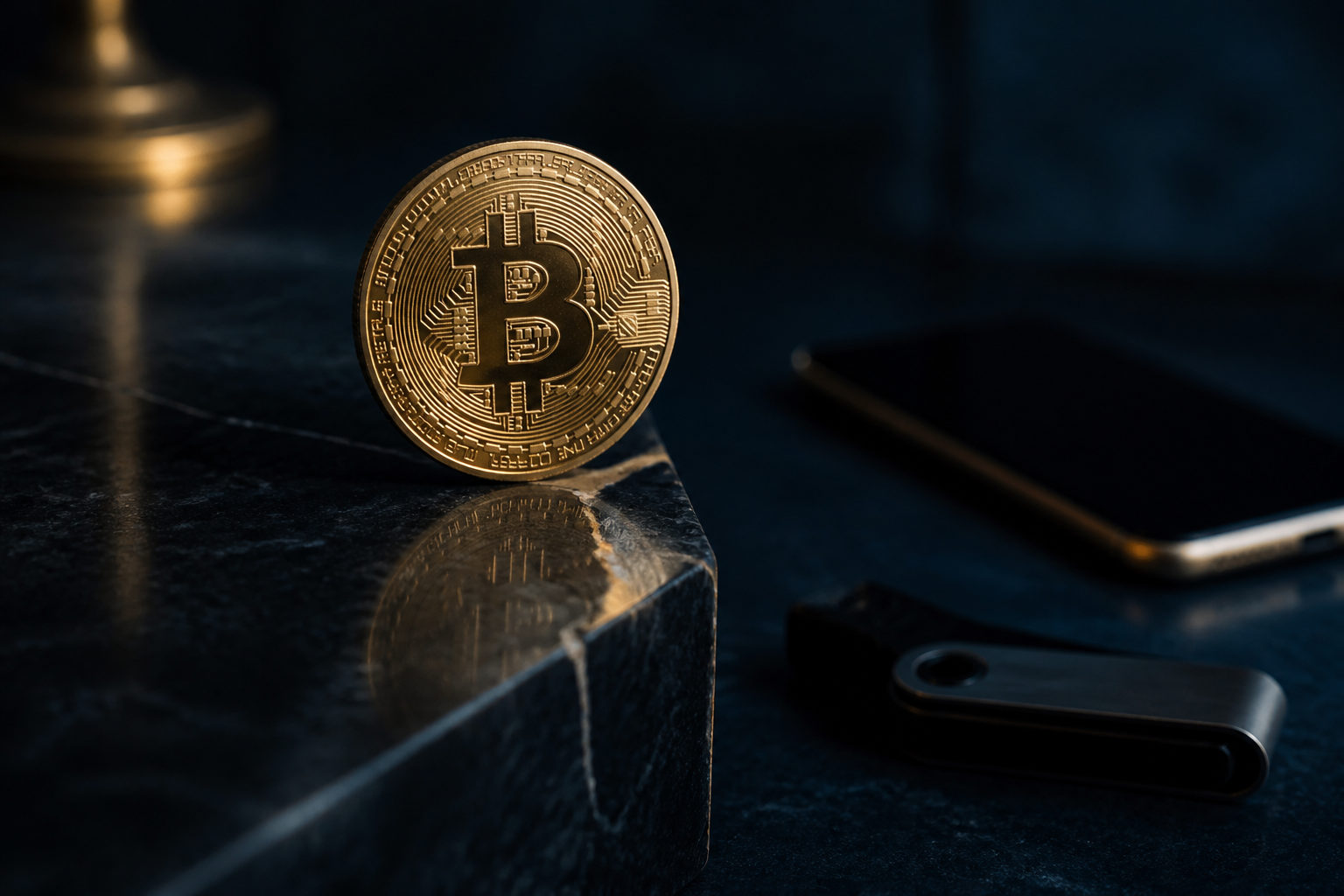
The main disadvantages of using bitcoins are sharp price swings, irreversible transfers, a heavy self-custody burden, frequent scams, and limited everyday acceptance. The best way to judge them is to walk through the actual user process instead of treating “bitcoin” as a single yes-or-no decision.
Step 1: Define what you want bitcoins to do
Start by stating the use case in plain words. Are you thinking about long-term holding, sending value across borders, paying someone online, or simply learning how bitcoin works? The same asset can feel practical in one situation and frustrating in another.
That matters because bitcoin does not behave like a bank account, a card network, or a standard payment app. It gives users direct control over digital value, but that control shifts more responsibility to the individual. If your real goal is stable purchasing power, easy refunds, and familiar customer support, some of bitcoin’s advantages may matter less than its drawbacks.
| Use case | What attracts people | Disadvantages to review first |
|---|---|---|
| Long-term holding | Fixed supply, direct ownership | High volatility, storage pressure, emotional stress |
| Everyday payments | Can move without a traditional payment rail | Limited merchant acceptance, refund friction, user complexity |
| Cross-border transfers | Can be sent across regions | Recipient readiness, rule differences, changing transfer costs |
| Short-term trading | Large price moves create opportunity | High risk, fast decisions, more room for scams |
A technically confident user may say bitcoin is easy to use because they already understand wallets, confirmations, and backups. A beginner may find those same steps stressful enough to count as major disadvantages.
Step 2: Break the disadvantages into separate checks
Separate the downsides into distinct categories, then decide which ones you can live with and which ones are deal-breakers.
| Disadvantage | What it looks like in practice | Why it becomes a problem | What to watch before using |
|---|---|---|---|
| Price volatility | The value of your holdings can move sharply | Plans get disrupted and emotions take over | Do not place near-term living money in a volatile asset |
| Irreversible transfers | A wrong address or amount can be very hard to recover | There is no familiar chargeback path built in | Test with a small transfer first |
| Self-custody burden | Losing wallet access can mean losing control of funds | The user carries the storage responsibility | Know exactly what you need to back up |
| Learning curve | You need to understand wallets, network confirmation, and fees | Beginners can make expensive mistakes | Practice the flow before moving more value |
| Scam exposure | Fake support, fake wallet apps, and fake investment offers are common | Stolen coins are hard to claw back | Trust only information you verify yourself |
| Limited acceptance | Many businesses and individuals still do not accept bitcoin | Its utility for daily spending can be narrow | Check support before assuming you can pay with it |
| Rule uncertainty | Requirements differ by country and service provider | Your access path may change | Review local reporting and usage rules first |
Two disadvantages deserve extra attention. The first is irreversibility. Once a transaction is sent and confirmed, the room for reversal is far smaller than with bank transfers or card transactions. The second is custody. If your wallet credentials are lost, exposed, or backed up poorly, it can mean loss of access.
Step 3: Follow the user flow and identify where the pain appears
Bitcoin’s disadvantages become clearer when you line them up with actual actions: deciding to buy, choosing how to store it, sending it, receiving it, and dealing with mistakes after the fact.
Before buying: test your tolerance for volatility
Ask yourself: if the value drops sharply after you acquire bitcoin, will you still follow your plan? Bitcoin’s market price is shaped by supply and demand, liquidity, risk appetite, and policy expectations, so short-term moves can be intense. If you would panic and need the money soon, that downside matters more than any long-term thesis.
Do not use rent money, emergency savings, or funds needed for near-term obligations.
When setting up storage: choose who carries the responsibility
You need to decide whether you will manage access yourself or rely on a third party. Self-custody offers direct control, but backup errors, device compromise, or poor record-keeping become your problem.
Using a third party can feel more familiar, but it brings dependence on service rules, possible account restrictions, and access tied to someone else’s systems. Either route has weak points; what changes is where the weak point sits.
When sending bitcoin: the biggest threat is often human error
Mistakes during entry are often more damaging than waiting. A wrong address, a copied string from an unsafe source, or a rushed confirmation can turn a routine payment into an unrecoverable error. This is why experienced users often stress small test transfers before larger ones.
If someone is pressuring you to send immediately, skip checks, or trust a screenshot as proof, slow down. Fraud and simple mistakes both feed on urgency.
After payment: disputes are harder than in familiar payment systems
If the transfer is tied to goods, services, or a private arrangement, decide the dispute process before sending anything. Bitcoin does not give you the same refund, reversal, or card-dispute comfort by default.
If a seller disappears, ships the wrong item, or argues over what was promised, there may be no built-in mechanism to unwind the payment. That does not make bitcoin unusable, but it makes trust and process design more important.
Step 4: Put scam defense first, because many losses start with manipulation
A large share of losses comes from deception instead of technical complexity: fake customer support, fake wallet downloads, fake recovery help, fake investment offers, and private deals pushed through chat apps.
| Scam type | Typical setup | Main danger | Useful defensive move |
|---|---|---|---|
| Fake support | Someone contacts you claiming they can restore or fix an account issue | They try to get wallet credentials, codes, or a transfer | Start support requests only through the official interface you already know |
| Fake wallet or extension | Search results, chat groups, or random pages push a download | Malicious software can steal access | Do not install software from unclear sources |
| Guaranteed return pitch | Promises of safe profit, managed trading, or copy trading | Funds are collected first, excuses come later | Treat any profit guarantee as a warning sign |
| Off-platform private deal | A stranger asks to move the transaction outside a formal process | No reliable structure for payment and delivery | Avoid private deals with people you do not know |
| Phishing page | A page imitates a login, security notice, or campaign | Your credentials are captured when entered | Manually verify the app name and website details |
The key operational rule is simple: treat urgency as a threat signal. If someone asks you to act now, stay quiet, keep it secret, or trust them without checking, pause. Bitcoin’s irreversible transfer model is one reason scammers like it.
Public blockchain records do not protect your device, your backups, your software source, or the identity of the person messaging you.
Step 5: Decide whether the disadvantages fit your real-life needs
The useful question is whether bitcoin’s disadvantages conflict with what you need from money, savings, or payments.
If you want easy recovery when things go wrong, bitcoin can feel unforgiving. If you want simple daily spending at broad acceptance, it can feel limited. If you want direct ownership and are willing to accept volatility and responsibility, the trade-offs may look different.
| If you care most about... | Bitcoin disadvantage that matters more | Why it changes the decision |
|---|---|---|
| Stable short-term value | Volatility | Large price moves can disrupt planned spending |
| Easy refunds and disputes | Irreversible transfers | There may be no familiar path to reverse payment errors |
| Low-effort account management | Custody burden | Secure storage and backup require attention and discipline |
| Simple user experience | Learning curve | Wallet setup and transfer checks take more care than many apps |
| Safety from fraud | Scam exposure | Attackers exploit urgency and inexperience |
The downside is not only technical. It is also practical, emotional, and behavioral.
FAQ
What is the biggest disadvantage of using bitcoins for most beginners?
For many beginners, the biggest issue is the combination of volatility and irreversible mistakes. A bad market move is stressful enough, and if you also make an avoidable transfer error, the experience can turn expensive very quickly.
Are bitcoins a bad choice for everyday payments?
They can be awkward for everyday spending if you want broad acceptance and easy refunds. In some cases they work fine, but many users find ordinary payment tools simpler for routine purchases and customer disputes.
Does keeping bitcoin with a third party remove the main risks?
No. It may reduce part of the learning curve, but it introduces dependence on another service’s rules and systems. You exchange one set of risks for another rather than removing risk altogether.
Why do scams show up so often around bitcoin?
Scammers like assets that can move quickly and are hard to reverse once sent. They also know many new users do not yet understand wallet security, fake support tricks, or phishing patterns.
Is bitcoin’s limited acceptance still a real disadvantage?
Yes, especially if your goal is practical day-to-day spending. You cannot assume every merchant, contractor, or friend wants to receive bitcoin, so usability depends on the other side being ready and willing.
If you are considering using bitcoins, make a short checklist before taking action: what the money is for, who controls access, how you will verify payment details, what kind of volatility you can handle, and what you will do when someone pressures you to move fast.
Disclaimer: This article is for informational and educational purposes only and is not investment, financial, or legal advice. Crypto assets are highly volatile and you could lose your entire investment. Do your own research and decide carefully.