
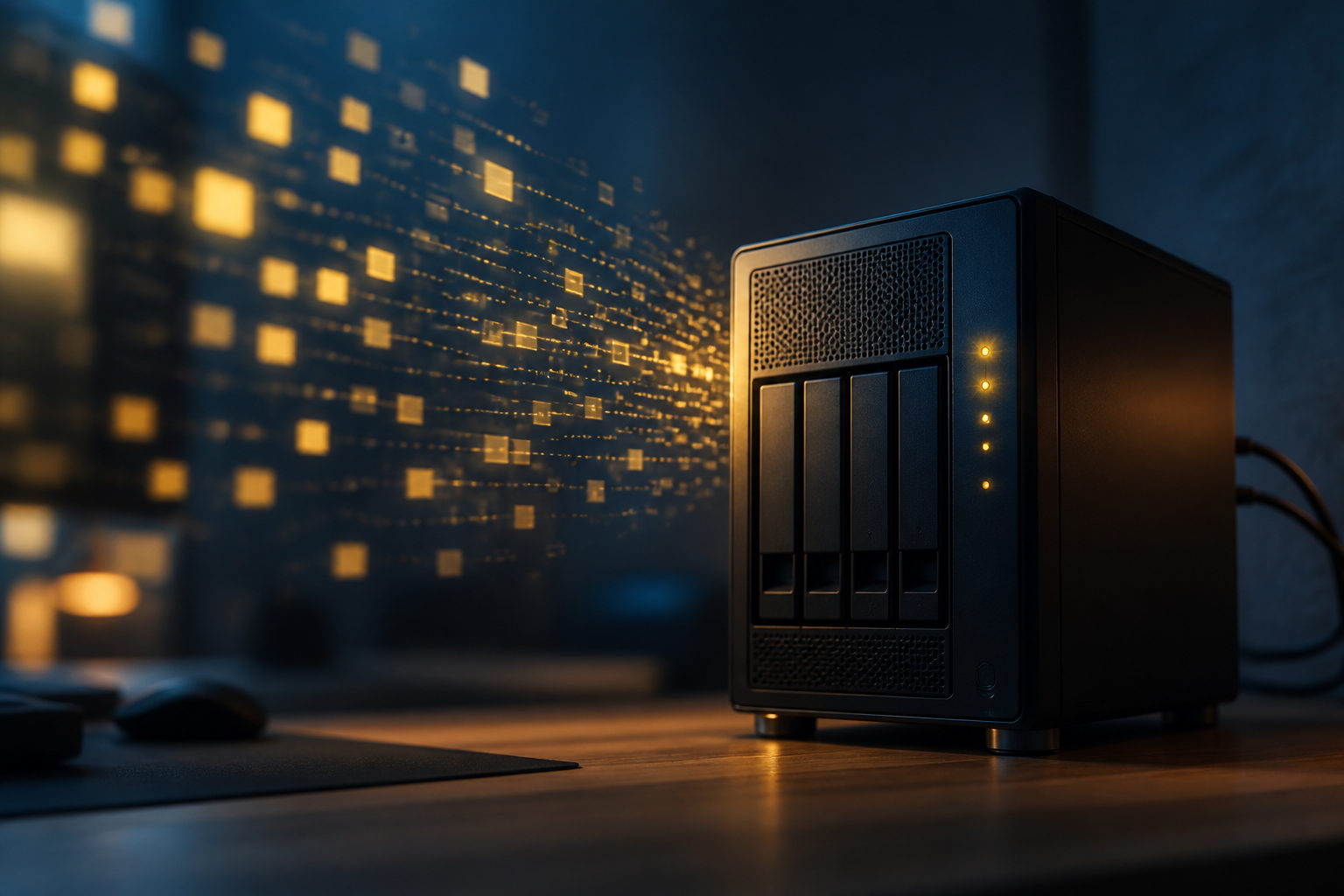
A full bitcoin nodd refers to software and a running setup that downloads Bitcoin blockchain data and validates it under Bitcoin's rules. Its main purpose is simple: you can verify transactions and blocks for yourself instead of relying entirely on a wallet provider, exchange, or block explorer.
What a full bitcoin nodd actually does
People often mix up nodes, wallets, exchanges, and mining hardware. A full bitcoin nodd does not exist to hold your coins for you, and it does not automatically mine new blocks. Its core job is to check whether the data it receives from the Bitcoin network is valid.
That means the node reviews blocks and transactions against consensus rules. It checks whether a transaction tries to spend coins twice, whether a block follows the expected format, and whether the block reward matches the protocol. If the data fails those checks, the node rejects it.
This matters because many everyday Bitcoin apps do not validate everything on your own device. They often ask outside servers for balances, transaction history, and broadcast help. Running a full bitcoin nodd moves that verification process closer to you.
Full node vs wallet vs mining setup
| Type | Main role | Validates Bitcoin rules independently | Common use case |
|---|---|---|---|
| Full bitcoin nodd | Downloads blockchain data, validates blocks and transactions, relays valid data | Yes | Self-sovereign holders, merchants, developers |
| Light wallet | Sends and receives bitcoin, shows balances and history | Often depends partly on outside services | Everyday users |
| Mining setup | Competes to add new blocks | Usually works with a node or node service | Miners |
You can own bitcoin without running a node. You can also run a full bitcoin nodd without mining at all. Those roles overlap in the wider network, but they are not the same thing.
For a regular user, a node is closer to an independent verification layer than a profit tool. It does not promise better returns or a better market price. What it gives you is more control over how you determine what is valid on the chain.
Why some users insist on running their own node
It can improve privacy around lookups
When a wallet keeps asking a third-party server about your addresses, balances, or transaction history, that service may learn patterns about your activity. If your wallet connects to your own full bitcoin nodd, fewer of those requests need to go through outside infrastructure.
It gives you independent verification
If a website says a payment arrived, you still have to trust that site's data source and interpretation. A full node gives you a local way to check whether a transaction and the chain behind it follow Bitcoin's rules. That is useful for long-term holders, businesses that accept bitcoin, and anyone building on top of Bitcoin.
It supports decentralization in practice
Bitcoin depends on many participants enforcing the same rules across different systems. More independently run nodes mean validation is spread across more hands, which reduces the weight of a small group of major service providers in defining what users see and trust.
It helps with advanced setups
Some people want a wallet backend they control, a payment stack that does not depend on public APIs, or a development environment with direct access to validated chain data. In those cases, a full bitcoin nodd becomes a practical base layer rather than a hobby project.
What you need before running a full bitcoin nodd
Running one is not hard only at installation time. The real commitment comes from storage, network stability, device uptime, and maintenance. Initial sync can take a while because the node has to process the full blockchain history and verify it according to local rules.
| Requirement | What to think about | Why it matters |
|---|---|---|
| Storage | You need enough room for the blockchain and future growth | Low space can interrupt sync and make upkeep harder |
| Network connection | A stable connection improves sync and daily operation | Frequent disconnects can slow progress and reduce reliability |
| Device performance | Disk speed, processor, and memory affect sync time | Weaker hardware often means a much longer initial setup |
| Runtime environment | You can use a desktop, small home server, or other machine | Each option has different maintenance demands |
| Security habits | System updates, access control, and backups still matter | A node can be mismanaged even if the software is sound |
One common mistake is assuming the node and your private keys must live on the same machine. That is optional. If your main goal is chain verification, the node can run as a separate backend while your keys stay in a different wallet or hardware device.
Limits and common misunderstandings
Running a full bitcoin nodd does not make you invisible. It can reduce some forms of information leakage tied to outside balance and history queries, but privacy also depends on wallet behavior, address management, and your network setup.
A node also does not replace key management. Your bitcoin is controlled by private keys or recovery material, not by the node itself. The node stores and validates blockchain data; it does not magically become custody infrastructure just because it runs on your machine.
It also will not force your transactions to confirm faster. A node can broadcast transactions and give you a direct view into the chain, but confirmation still depends on miner selection and the transaction's own conditions.
Then there is maintenance. Software updates, sync errors, storage health, permissions, and connectivity issues all fall on you. For someone who only buys or sends bitcoin once in a while, that tradeoff may not be worth it.
| Claim | Reality |
|---|---|
| Running a node means you are mining | Nodes validate data; mining competes to create new blocks |
| A node automatically makes you safe | Independent verification helps, but system and key security still matter |
| A node stores your bitcoin | A node stores blockchain data; control still comes from private keys |
| Everyone should run one | It depends on your goals, skills, and willingness to maintain it |
FAQ
Do ordinary bitcoin holders need a full bitcoin nodd?
Not always. If you only send or receive bitcoin occasionally, a standard wallet may be enough; if you want to verify chain data yourself and reduce dependence on outside servers, a full bitcoin nodd becomes much more relevant.
Can a full bitcoin nodd replace a wallet?
Usually no. A node validates and syncs blockchain data, while a wallet manages addresses, private keys, and transaction creation; many users pair the two instead of treating them as substitutes.
Does a full node hold my private keys?
Only if you choose a setup that combines wallet functions and node functions in one environment. Many users keep the node separate and let another wallet, sometimes a hardware wallet, control the keys.
Why is node sync sometimes so slow?
Storage speed, connection stability, device performance, and configuration all affect the process. The first sync has to validate a very large history of blocks, so weaker setups can take much longer.
Is a full node useful if I only want better transaction verification?
Yes, that is one of the clearest reasons to run one. If your priority is checking chain data on your own system instead of trusting an outside service to interpret it for you, a full node directly serves that goal.
If you plan to set one up, define the reason first: privacy around lookups, independent verification, wallet integration, or development work. Once the goal is clear, the right hardware, software arrangement, and maintenance level become much easier to choose.
Disclaimer: This article is for informational and educational purposes only and is not investment, financial, or legal advice. Crypto assets are highly volatile and you could lose your entire investment. Do your own research and decide carefully.