
Yes. After all bitcoin is mined, Bitcoin proof of work still continues because the network still needs miners to compete for block production, confirm transactions, and secure the chain. What changes is the source of miner incentives: block subsidies fade out, while transaction fees remain.
Mining ending is not the same as Bitcoin stopping
People often use “mining” as shorthand for creating new coins. That is only part of the process. In Bitcoin, proof of work is the rule that lets the network choose who gets to add the next block in a system without a central operator.
A simple way to picture it is a bookkeeping race. Roughly every 10 minutes, the network needs a new page added to its public ledger. Miners compete to win that page by producing valid proof of work. Right now, the block reward has two parts: the block subsidy and transaction fees. When the subsidy eventually falls to zero, the race does not end. The block subsidy ends, but block production and transaction confirmation continue.
Why proof of work still matters after all coins are mined
Bitcoin still needs a way to decide which valid transactions get written into the chain and in what order. Transactions can be broadcast by anyone, and different nodes may see them at different times. Without a shared rule for ordering blocks, a decentralized network would struggle to agree on the latest valid history.
Proof of work solves that coordination problem by tying block creation to a visible computational cost. Other nodes can verify whether a proposed block follows the rules. They do not need to trust the miner personally, and they do not need a central authority to approve the update. They only need to check whether the block is valid under the protocol.
Bitcoin started with the genesis block in 2009, and its total supply is capped at 21 million coins. The issuance schedule declines over time through halvings, which occur about every 4 years, or every 210,000 blocks. The halving years so far are 2012, 2016, 2020, and 2024. That schedule tells you how new issuance changes. It does not imply that Bitcoin stops producing blocks once issuance runs out.
So the answer to the keyword question is straightforward: proof of work is not just a way to release new bitcoin. It is the mechanism that keeps Bitcoin producing blocks, ordering transactions, and raising the cost of attacks against the ledger.
What miners are paid after the subsidy is gone
After all coins are mined, miners can still earn transaction fees. When users send on-chain transactions, they usually attach fees, and miners choose which transactions to include in a block. As the subsidy declines over time, fees become more important in the overall incentive model. Once subsidies are gone, fees are the main direct payment for doing the work of block production.
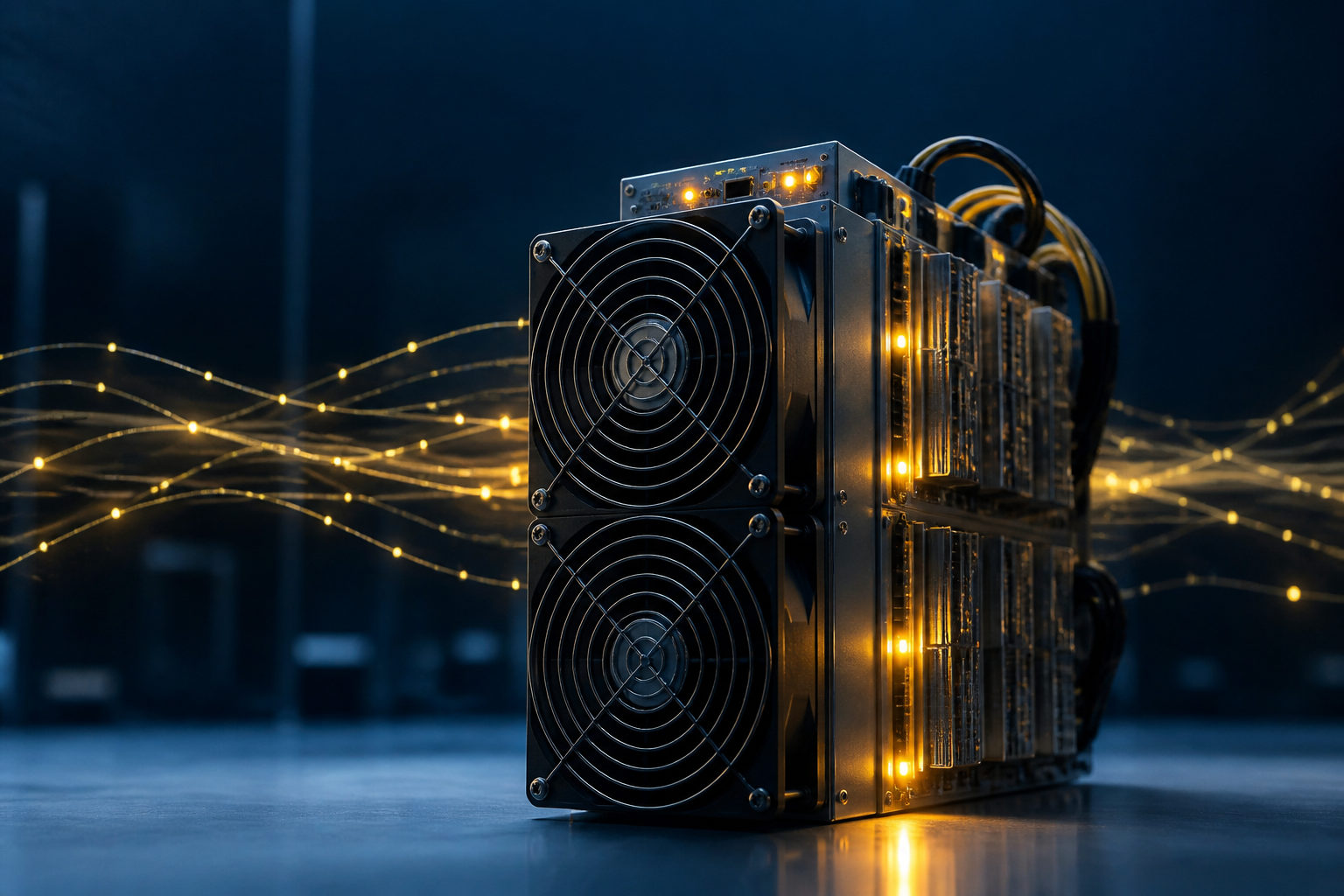
That does not mean mining becomes easy or automatic. Real-world mining is a capital-intensive and highly competitive business. It involves hardware, electricity, cooling, uptime, maintenance, networking, and equipment replacement. Joining a mining pool can smooth out payout timing, but it does not erase the cost reality behind the activity.
This is where many beginners get the story backwards. They assume that if no new coins are being issued, miners will instantly disappear and Bitcoin will fail. The protocol does not say that mining only exists for coin issuance. It says miners can collect rewards tied to valid block creation, and transaction fees remain part of that structure even after subsidies end.
Whether a given miner stays online depends on fee income, competition, and operating costs. That is a business question layered on top of the protocol. The protocol answer is simpler: proof of work still continues because the network still needs blocks.
The bookkeeping race analogy makes the transition easier to understand
Think of Bitcoin as a public ledger that anyone can inspect but no one can rewrite at will. Each new block is another page in that ledger. Proof of work is the contest that decides who gets the right to write the next page.
In Bitcoin’s earlier years, the block subsidy acts like a built-in payment from the system to attract miners and bootstrap security. Over time, that subsidy gets smaller. The network then relies more heavily on actual user demand for block space, which shows up through transaction fees. That shift does not change the reason proof of work exists. It only changes the mix of incentives behind participation.
For regular users, this matters even if they never mine. The user experience of on-chain payments is connected to block space, confirmation speed, and fee pressure. Understanding the role of proof of work helps explain why Bitcoin is designed to keep operating without endless new issuance. The system is meant to move from subsidy-heavy incentives toward fee-based incentives over time.
Could Bitcoin switch to another system instead
Bitcoin’s original security model is built around proof of work. The 2008 white paper, Bitcoin: A Peer-to-Peer Electronic Cash System, introduced proof of work as the way to achieve consensus in a peer-to-peer setting without a central administrator. Satoshi Nakamoto remains a pseudonymous creator, but the rules are public and verifiable.
In theory, open networks can debate changes. In practice, changing Bitcoin away from proof of work would be far more than a minor technical edit. It would affect assumptions about security, participation, and economic incentives across miners, node operators, developers, and holders. That is why the better way to frame the original question is not “Will proof of work be left on after all coins are mined?” It is “How does Bitcoin keep using proof of work once issuance is gone?” The answer is that proof of work is part of the chain’s continuing operation, not a temporary launch phase.
How people can participate without assuming mining is the only role
You do not need to be a miner to take part in Bitcoin. You can use a wallet, verify incoming payments, learn how fees affect confirmation, and run your own node to check blocks and transactions independently. Running a node is not the same as mining, but it is a meaningful way to participate in the network’s verification culture.
If you are considering mining, start with the cost side before thinking about returns. Look at hardware, electricity access, cooling, maintenance time, pool arrangements, and downtime risk. Mining is closer to operating specialized infrastructure than buying a passive-income gadget.
If your real question is whether Bitcoin can still function after all bitcoin is mined, the practical checklist is short. Ask whether blocks still need to be created, whether transactions still need ordering, and whether users can still pay fees for block space. If the answer to those questions is yes, then Bitcoin proof of work continues for the same reason it exists today.
FAQ
Will Bitcoin still produce blocks after all coins are mined?
Yes. New issuance ending does not mean the chain stops growing. The network can still add blocks because transactions still need confirmation and ordering.
Proof of work remains the mechanism that decides who gets to produce those blocks. The subsidy changes over time, but the block process itself continues.
What do miners earn when there is no block subsidy left?
They can still earn transaction fees. Users who want on-chain confirmation usually attach fees, and miners collect those fees from the transactions included in their blocks.
That said, fee income alone does not guarantee viability for every operator. Costs and competition still determine who can stay in the race.
Is proof of work only about creating new bitcoin?
No. Creating new coins is only one part of the block reward system. The deeper function of proof of work is to secure the ledger and provide a rule for block selection in a decentralized network.
It also raises the cost of rewriting history or attempting double spending. That role does not disappear when new issuance ends.
Can ordinary users still mine bitcoin realistically?
Sometimes, but it is not a simple consumer activity. Mining involves specialized hardware and ongoing operating costs, so many people are better served by learning wallets, fee settings, and node verification first.
If you still want to explore mining, treat it like infrastructure planning rather than a casual side project. Cost discipline matters more than excitement.
Where should I check the live bitcoin price?
You can check major market data platforms, exchanges, or price aggregators for a live quote. Different services may show slightly different values and update times, so it helps to compare more than one source.
That answers the pricing question, but it is separate from the protocol question here. Live price tells you what the market is paying at that moment; it does not explain why proof of work continues after all bitcoin is mined.
If you are deciding whether to mine, write down your hardware, electricity, cooling, maintenance, and downtime risks before going any further. If you only want to use Bitcoin safely, focus first on private key storage, fee selection, and transaction verification, because those steps matter long before the final coin is mined.
Disclaimer: This article is for informational and educational purposes only and is not investment, financial, or legal advice. Crypto assets are highly volatile and you could lose your entire investment. Do your own research and decide carefully.