
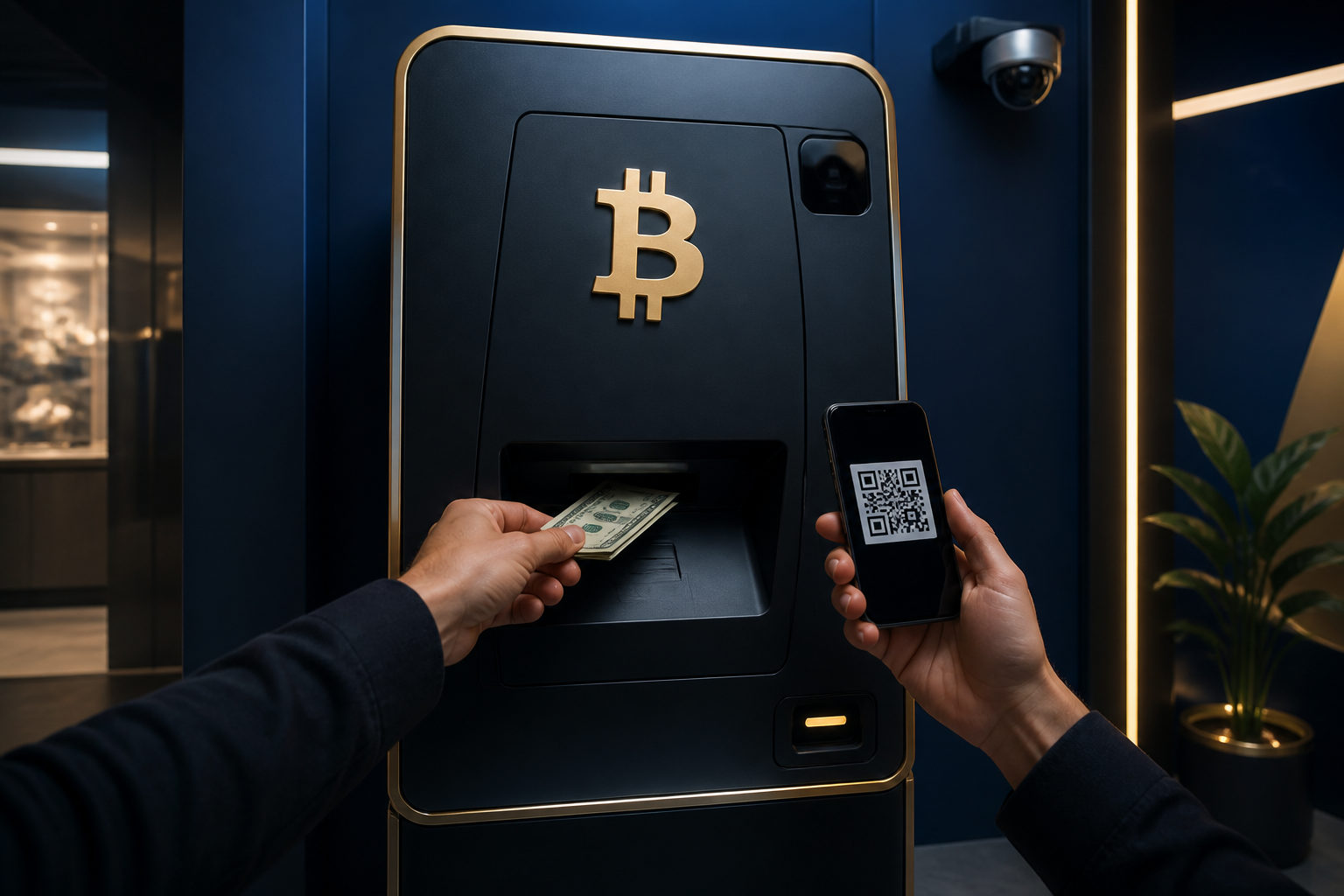
A bitcoin ATM is a physical kiosk that lets you buy bitcoin, and sometimes sell it for cash. It can be useful, but you should confirm the machine’s features, fees, and ID checks before you start.
What a bitcoin ATM actually does
People often assume a bitcoin ATM works like a bank cash machine. The idea is similar only on the surface. A bitcoin ATM connects cash payments, verification steps, and blockchain transfers so a user can exchange cash for bitcoin, or in some cases sell bitcoin and collect cash.
That distinction matters because not every machine offers both directions. Some only support purchases. If you do not check that first, you may arrive expecting to sell bitcoin and find a one-way kiosk instead.
What to prepare before you go
Step 1: Confirm there is really a machine you can use
If you are searching “are there bitcoin ATMs,” do not stop at the first listing you see. Check whether the machine is still at that location, whether the business is open, and whether the kiosk is currently active. Physical terminals can be moved, switched off, or available only during venue hours.
The reason is simple: a trip across town is wasted if the machine is unavailable. One more caution: confirm whether it supports buying only or both buying and selling, so you do not discover the limitation on site.
Step 2: Set up your own wallet first
Most bitcoin ATMs need a destination wallet address. In practice, that usually means the machine scans a QR code from your wallet app. The safest approach is to prepare a wallet that you control before leaving home, then open your receive QR code when you are at the kiosk.
This matters because the ATM is a transaction point, not a long-term storage solution. Avoid downloading a random wallet app in a hurry, and never let a stranger provide the address for you. If bitcoin is sent to the wrong address, the transfer usually cannot be reversed.
Step 3: Know the identity checks in advance
Many machines ask for phone verification, and some require stronger identity checks. Decide beforehand whether you are comfortable with that process. If you wait until you are standing in front of the machine, you may end up halfway through a transaction you no longer want to complete.
This step is not just about operator rules. It also reduces abuse by fraudsters. Keep every code, text message, and account detail to yourself, and only enter information into the machine’s own workflow.
Step 4: Read the fee structure before touching your cash
A bitcoin ATM is often compared with a trading app, but the biggest difference is usually total cost. Before you continue, review the quoted rate, service charges, and any network fee shown on screen. What matters is the final amount of bitcoin you receive, or the final cash amount you can collect when selling.
Convenience often comes at a premium. Also remember that some costs may appear through the spread between buy and sell prices rather than a single line item labeled as a fee.
How to use a bitcoin ATM at the machine
Buying bitcoin step by step
Select the option to buy bitcoin. Slow down and confirm the coin and transaction type before moving on.
Complete the requested phone or identity verification. Operators use this process for compliance and risk control, and it can also make scam abuse harder.
Let the machine scan your wallet QR code. The system needs to know where the bitcoin should go, so use a wallet you control yourself.
Insert cash or use the payment method supported by that kiosk. Watch the screen as you go and make sure the machine recognizes the amount correctly.
Review the transaction details before final confirmation. Check the wallet address, the fee information, and the delivery method rather than pressing through too quickly.
Keep the receipt or order record. If the blockchain is busy or the terminal is slow to update, that record gives you something to verify later.
Selling bitcoin step by step
If a bitcoin ATM supports selling, the machine will usually ask how much cash you want, then create a payment address or redemption code. You send bitcoin from your own wallet to that address, and the kiosk releases cash once its conditions are met, or tells you to return with a code.
The main caution is that selling often depends more directly on blockchain confirmation. That means the wait may not be fixed. Never hand your phone, receipt, or verification code to someone offering to help you finish faster.
Why some people choose a bitcoin ATM
The main appeal is simplicity. For a person who does not want to learn a trading interface first, a physical kiosk can feel more familiar. The screen guides the user one step at a time, and the process may feel easier than setting up an exchange account from scratch.
Another reason is cash access. Some users want a direct way to turn cash into bitcoin, or to use a supported machine to sell bitcoin and withdraw cash. That does not make it the cheapest option, so cost and risk still need to come first.
Scam patterns and warning signs
A bitcoin ATM itself is not the scam. The problem is that criminals use it to push victims into irreversible transfers. If anyone tells you to go to a kiosk right away, stay on the phone, and send bitcoin to a “safe” or “verified” address, stop there.
Fake support requests: Someone pretends to be customer support, a government office, or a security team and says you must use a bitcoin ATM to verify or restore your account. Real institutions do not handle issues that way.
Investment group pressure: A chat group builds trust, then tells you to buy bitcoin at a kiosk and transfer it to a coach, trader, or platform wallet. Once sent, recovery is usually difficult.
On-site “assistance”: A stranger offers to scan the code or guide the transaction for you. In reality, they may replace the wallet address and divert your funds.
Receipt leakage: Order details, redemption codes, and text confirmations should be treated as sensitive. Sharing them carelessly can create an opening for theft or misuse.
A useful rule is blunt: if the transaction is being directed by someone else, treat it as suspicious. Refunds, account checks, and technical support should not require you to buy bitcoin and send it away.
FAQ
Do bitcoin ATMs actually exist
Yes, they do exist in some regions, though availability varies a lot by area. Before you travel, confirm the location, operating status, and whether the machine supports the type of transaction you need.
Is a bitcoin ATM the same as a normal ATM
No. A bank ATM deals with money in a bank account, while a bitcoin ATM handles an exchange between cash and bitcoin. The key parts are wallet addresses, identity checks, and blockchain transfers.
Do I need a wallet before using a bitcoin ATM
In most cases, yes, and it is better to set up your own wallet in advance. Relying on temporary paper details or a last-minute setup creates extra room for mistakes.
Why do bitcoin ATM fees often feel high
The cost is not always shown in one place. It may include a visible service charge, a network fee, and a spread in the quoted rate. Focus on the final amount you receive, not just one label on screen.
What if someone tells me to use a bitcoin ATM to make a payment
Slow down and question it. If the instruction came by phone, social media, text message, or from a stranger nearby, that is a major warning sign. A real refund or account review should not depend on this kind of transfer.
What to check right before you confirm
At the machine, pause for three final checks: make sure the wallet address is yours, make sure you understand the total cost, and make sure nobody else is directing the process. If any one of those feels unclear, step away and try again later.
If you simply want to learn how a bitcoin ATM works, starting with a small amount you can afford to risk is usually safer than attempting a complicated transaction on your first try. The goal is not speed. The goal is control at each step.