
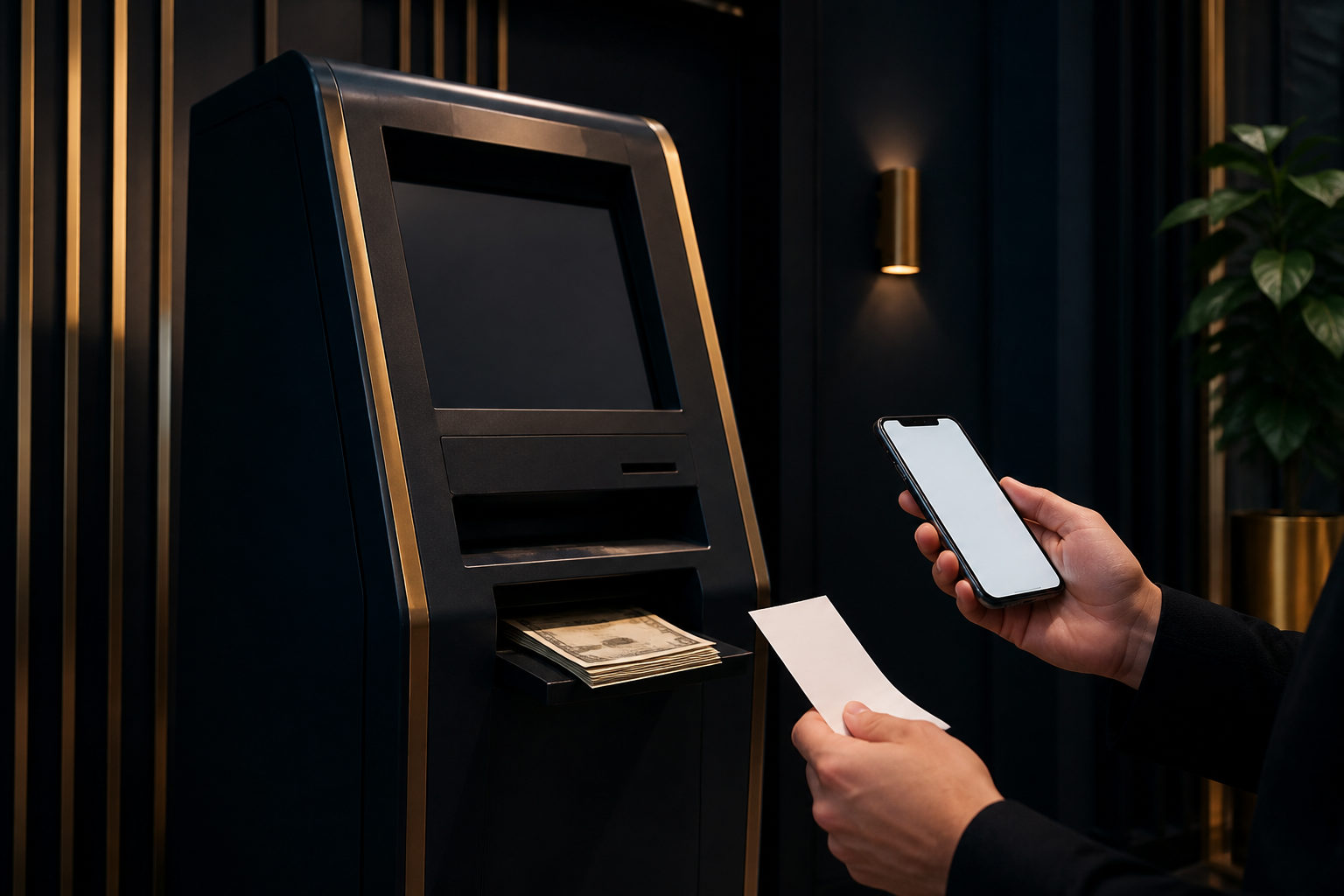
To sell bitcoin for cash at a bitcoin ATM, first confirm that the machine supports selling, then create the transaction on screen, send BTC from your own wallet, wait for the required confirmation process, and collect the cash and receipt. The safest approach is slow and deliberate: verify the address, read the payout terms, and ignore anyone trying to guide the transaction for you.
Start by checking whether the machine actually supports selling
People searching for “how to sell bitcoin for cash libertyx atm steps” often focus on finding a nearby machine, but the first real question is simpler: can that machine handle a cash-out sale at all? Some bitcoin ATMs are set up only for buying. Others separate functions in ways that are not obvious until you read the screen.
At the machine, look for a clear option such as sell bitcoin, cash out, or a withdrawal flow tied to BTC. If the menu only shows buy, add funds, or payment-related options, stop there. Pushing ahead when the machine does not match your goal increases the chance of confusion, and confusion is where mistakes happen.
The location matters too. A machine in a well-lit store with staff nearby gives you more protection than one in an isolated corner. If a stranger walks up and offers to show you what buttons to press, decline and step back. A normal bitcoin ATM transaction does not require anyone else to touch your phone or see your wallet screen.
Prepare your wallet, phone, and identity checks before you begin
Before you try to sell bitcoin, make sure you are using a wallet you control and can access without trouble. You should already know how to open the send screen, review the network shown by the wallet, check the transaction history, and confirm that a transaction has been broadcast. If someone else holds the account or wallet access, fixing a problem later becomes much harder.
Some bitcoin ATM flows may require a phone number, a text message code, or another identity check. It is smart to confirm in advance that your phone can receive messages and that you have whatever documents or account details you may need. When people get stuck at verification, they are more likely to accept help from the wrong person.
Do one more thing before you leave for the machine: open your wallet and get familiar with the route to the send function. Standing in front of a machine is the worst time to install a new app, import a wallet, or learn a new interface from scratch. Pressure makes small errors more likely, and the cost of a small error in a bitcoin transfer can be very high.
Create the sale on the machine, then read every condition on screen
Once you choose the sell option, the machine will usually ask for a cash amount, some form of verification, and then present a bitcoin receiving address for the transaction. It may also display a QR code. At that moment, do not rush to send funds. Read the screen all the way through first.
What you are looking for is practical, not technical. Check how the cash is released, whether you need to wait at the machine, whether a printed voucher is part of the process, whether a code will be sent to your phone, and whether the quoted transaction window can expire. Different machines handle these details in different ways, so old habits from a previous ATM may not help you here.
Pay close attention to any note that says the address or order is time-sensitive. If you create an order and then spend too long finding your wallet or fixing your connection, the transaction request may no longer be valid. Sending BTC to an expired order flow can turn a routine sale into a support problem.
- Confirm that the machine is asking for BTC and not another asset.
- Write down or save the order number, reference code, or any identifying screen detail.
- Check whether cash is dispensed immediately or claimed later with a code or receipt.
- If the machine shows limits you did not expect, stop and rethink the trade instead of making several rushed transactions.
When sending bitcoin, the biggest risks are address errors and network mistakes
Use your own wallet to scan the QR code shown on the machine, or compare the address carefully if you must enter it another way. Do not rely on an address sent to you in a message, and do not accept a claim that support needs you to send to a different address for manual review. The correct destination is the one shown by the machine during your live transaction.
After scanning, check what your wallet says about the asset and network. Many wallets handle more than one asset or more than one transfer standard, and the screens can look similar. If your wallet display does not clearly match what the machine expects, pause and sort that out before sending anything.
Also review the amount with care. Some machines expect an exact BTC amount tied to the sale order. Others calculate the bitcoin amount based on the cash amount you selected. Before you tap confirm, look at the total leaving your wallet, including the network fee shown by the wallet, and make sure it aligns with the transaction you intended to make.
This is also the moment to defend yourself against clipboard malware and fake support tricks. If a copied address changes after you paste it, or if anyone tells you to override the machine and send to a replacement address, stop. Once a bitcoin transaction is sent and accepted by the network, reversing it is usually not realistic.
Keep every record until the cash is in your hand and counted
After you send BTC, the machine may ask you to wait, or it may print a receipt and tell you to return after the transaction reaches the required status. Do not walk away until you understand the next action. Read the receipt, the screen, and any text message you receive, then make sure they all tell a consistent story.
Keep the paper receipt, the order number, the text message, and the wallet transaction record. If the machine does not dispense cash, if the status seems stuck, or if you later need to explain what happened, these records give you something concrete to refer to. Without them, support conversations are slower and less precise.
If the machine dispenses cash right away, count it before leaving. If it gives you a code for later pickup, store that code in more than one place that you control. A lost receipt or deleted text can create a preventable problem even when the bitcoin transfer itself went through correctly.
| Stage | What to verify | Common risk |
|---|---|---|
| Choose a machine | Sell function, safe location | Using a buy-only machine or operating in an unsafe area |
| Create the order | Cash amount, verification, payout method, reference code | Missing a time limit or misunderstanding the pickup process |
| Send BTC | BTC type, destination address, wallet details, total outflow | Wrong address, wrong transfer path, incorrect amount |
| Collect cash | Receipt, text message, order status, cash count | Losing proof, delaying pickup, poor records for follow-up |
The most dangerous scam is someone directing you to the ATM
If a person on the phone, in a chat app, on social media, or on a dating platform tells you to go to a bitcoin ATM and follow instructions, treat that as a major warning sign. Scammers often pretend to be customer support agents, refund staff, investment contacts, government officials, or someone referred by a friend. Their goal is the same: get you to move bitcoin on their terms.
You should make the decision to sell. You should control the wallet. You should read the machine screen yourself. Anyone asking for your text code, asking to see your screen, asking to hold your phone, or asking for a photo of the full receipt is trying to gain control over part of the transaction.
Another variation is the fake problem-solver. A stranger may claim that the machine is stuck and that you need to send a second payment, switch to another address, or call a private number for manual processing. Ignore that advice. Use only the instructions shown on the machine and the transaction records you already have.
FAQ
Do I always get cash immediately after I sell bitcoin at a bitcoin ATM?
No. Some machines release cash only after the transaction reaches the required status, while others may use a receipt or code-based pickup step. Follow the instructions shown during your own transaction instead of assuming every machine works the same way.
Why is checking the address such a big deal when I sell bitcoin?
Your wallet is the tool that sends the funds, so the final responsibility sits with you. If the destination address is wrong, recovery is usually difficult, which is why the last address check matters so much.
What should I do if my wallet shows the bitcoin was sent but the machine has not paid out?
Save the transaction record, the receipt, the reference number, and any text message tied to the order. Then review whether the machine stated that a waiting period or additional confirmation step was required before cash pickup.
Can a friend operate the machine for me if I am not comfortable?
That creates extra risk because the person may see your codes, your wallet details, or your private transaction information. If someone accompanies you, keep the phone, the confirmations, and the records under your control.
What is the single most useful thing to confirm before I send any BTC?
Confirm that the machine truly supports selling bitcoin for cash and that you understand how the payout works. Many costly mistakes begin before the transfer itself, when the user has not confirmed what kind of machine they are standing in front of.
Before leaving, finish the last checks on the spot
Do not leave the area until you have checked the order status, secured the cash if it was dispensed, saved the receipt or text message, and located the transaction in your wallet history. If one of those items is still unclear, resolve it while you are still at the machine. A calm final review is often what keeps a routine bitcoin ATM sale from turning into a difficult dispute later.
Disclaimer: This article is for informational and educational purposes only and is not investment, financial, or legal advice. Crypto assets are highly volatile and you could lose your entire investment. Do your own research and decide carefully.