
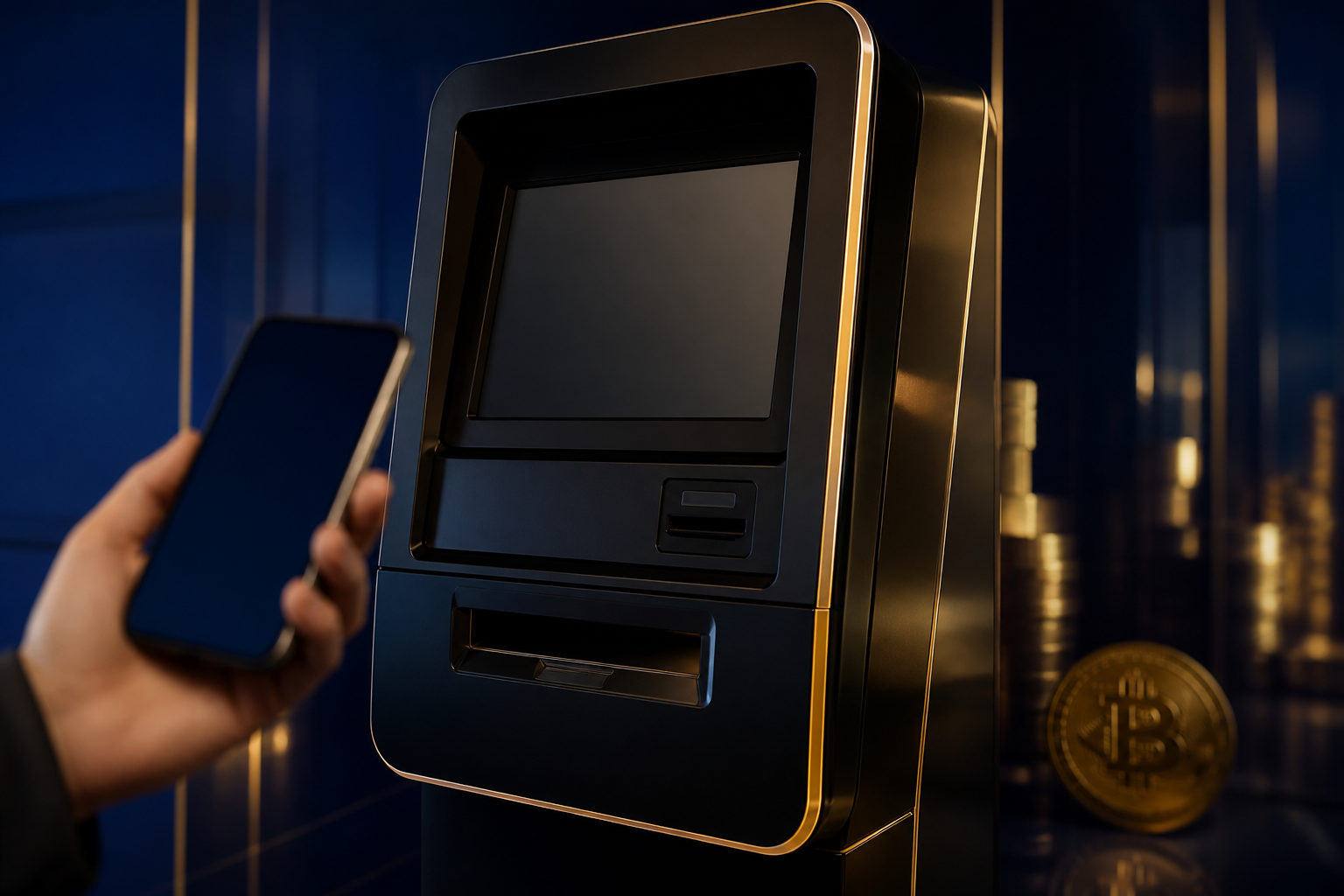
Bitcoin ATM fees are often high, especially for small transactions. To judge the real cost, you need to look beyond the line labeled “fee” and check the exchange rate spread, network charges, identity checks, limits, and cancellation rules.
Start by identifying every part of the cost
Many users focus on the visible service fee and miss the larger expense hidden elsewhere. A Bitcoin ATM may charge in more than one way: a stated fee, a weaker buy or sell rate, a blockchain transfer fee, or a combination of these.
Your first task is to identify the direction of the trade. If you are buying, the machine sends bitcoin to your wallet after receiving cash or another supported payment method. If you are selling, you usually send bitcoin first and collect cash after the machine accepts the transaction. The cost pattern can differ on each side.
Next, look at the quoted rate on the machine. Even when the listed fee seems acceptable, the machine may still be expensive if its buy price is much higher than the market price or its sell price is much lower. That gap is often where users lose more than expected.
You also need to check who bears the network fee. A transfer to your wallet usually requires an on-chain transaction. Selling can also involve sending bitcoin to an address controlled by the operator. Some machines show this fee separately, while others build it into the quote.
Fixed charges matter as well. A flat fee can feel minor on a larger transaction, yet it can weigh heavily on a small one. That is why convenience can become costly very quickly at a Bitcoin ATM, even before you think about privacy trade-offs or time spent at the machine.
A practical step-by-step check before you use the machine
Do not scan a QR code the moment you walk up. Start by reading the home screen, the fee disclosure page, and the final confirmation page. Important details are sometimes placed late in the flow, and a user who clicks through too quickly may only notice key terms after cash has already been inserted.
Then check what information the machine asks you to provide. Some machines require a phone number, an ID document, a photo, or another identity step. That is not just a paperwork issue. It affects your privacy, the records attached to the transaction, and how easy it may be to raise a dispute later.
After that, focus on the actual outcome of the trade. If you are buying, the meaningful question is how much bitcoin will reach your wallet. If you are selling, the key question is how much cash you will receive and under what conditions. A screen that only shows an estimate without explaining when the rate is locked should make you slow down.
Limits deserve close attention. A machine may have a minimum transaction amount, a per-transaction cap, a daily cap, or a time limit to complete a sale. A process that looks simple at first can become awkward if you discover late that the transaction cannot be canceled easily or that a delay triggers manual review.
Finally, inspect the receipt before leaving. You want enough detail to identify the transaction later: time, reference number, transaction type, and support contact information. If the machine provides little or no usable record, you may struggle if the bitcoin arrives late, the cash is incorrect, or the machine malfunctions.
Why Bitcoin ATMs often feel expensive
Part of the answer is the service itself. A Bitcoin ATM offers in-person access, physical equipment, cash handling, location costs, maintenance, support, and compliance overhead. Those expenses do not disappear; they are usually passed to the user.
Another reason is pricing opacity. A new user may understand the goal of buying bitcoin yet have little sense of how far an ATM quote can drift from the broader market. When the machine does not present a clear comparison point, it becomes hard to tell whether the cost comes from an explicit fee or a wide spread.
Cash access adds another layer. Operating a machine in a physical location involves security concerns, staffing processes, and logistical work that pure online services do not face in the same way. People who value immediacy or cash-based access may decide that trade-off is acceptable, but it rarely points to the cheapest route.
Small transactions can be the most deceptive. A user may think the amount is too small to worry about, then discover that fixed charges, spread, and network costs take a larger bite than expected. The right comparison is the final amount received, not the marketing promise of a quick purchase.
Fraud prevention matters more than speed
Before anything else, ask why you are using the machine. If you are there because someone on the phone, in a message, or in a chat app told you to go, stop immediately. One common scam path involves pushing victims to deposit cash into a Bitcoin ATM and send bitcoin to an address provided by the scammer.
Do not send bitcoin to a QR code handed to you by a stranger. When buying, the destination address should come from a wallet you control. When selling, the instructions should come from the machine’s own process, not from a bystander offering to help. Whoever controls the destination address controls where the assets end up.
Always verify parts of the wallet address before confirming. QR codes are convenient, but they can be swapped, replaced, or redirected. A malicious app, altered clipboard, or fake sticker near the machine can send funds somewhere else. The key details on your wallet screen, the ATM display, and the receipt should match.
Be careful with pressure. Scammers try to create urgency by talking about account problems, missed payments, legal trouble, or an “investment” that must be funded right away. Bitcoin transfers are generally hard to reverse once sent, so pressure is a reason to pause, not a reason to continue.
Personal data deserves the same level of caution. If the machine asks for an ID, a selfie, or a phone number, consider whether you trust the operator to store and handle that information responsibly. A fee is not the only cost in the transaction. Data exposure is a cost too, even if it does not appear on the screen as a number.
Once the transaction is done, keep the receipt and verify the status in your own wallet. Do not rely only on a success message from the machine. Check whether a pending transaction actually appears, or whether the selling process has moved to the next step expected by the machine.
When a Bitcoin ATM may make sense, and when it probably does not
A Bitcoin ATM can make sense if you want an in-person transaction, plan to use cash, and already understand how to manage your own wallet. In that case, paying more for convenience may be a choice you accept consciously.
If your main priority is low cost and easy price comparison, you should slow down before using one. Bitcoin ATMs are often a high-cost tool, and that matters even more if you are still learning how spreads and transfer fees affect the final result.
There is one setting where you should treat the situation as a warning sign right away: someone else is directing every step. Whether they claim to be support staff, a tax agent, an employer, a debt collector, or an investment coach, a request to convert money into bitcoin and send it to a specified address is a major red flag.
FAQ
Are Bitcoin ATM fees high compared with other ways to buy bitcoin?
They often are, because the total cost can include a spread, an on-screen service fee, and network charges. The machine may look convenient, but convenience does not tell you whether the quote is competitive.
How can I tell if a Bitcoin ATM is too expensive before I pay?
Look at the final amount of bitcoin you would receive, or the final cash amount you would get when selling. If the machine does not explain its rate, timing, and cancellation terms clearly, it is safer to walk away.
What do people miss most often when selling bitcoin through an ATM?
They often miss the timing rules. A sale may require you to send bitcoin within a set window, wait for confirmation, or follow a separate cash pickup step, and each part can affect both risk and convenience.
Is it safe to accept help from someone standing near the machine?
That is a bad idea in most cases. A stranger who tells you where to send funds or asks you to follow instructions from a phone call may be steering you into a scam.
What should I prepare before using a Bitcoin ATM for the first time?
Set up a wallet you control and learn how to verify the receiving address. Trying to install a wallet, learn the process, and complete the transaction on the spot raises the chance of mistakes.
A short checklist before you walk up to the machine
Prepare your own wallet in advance, confirm that the receiving address belongs to you, and read the full cost, final amount, cancellation terms, and receipt details before paying. If anyone pressures you, the machine’s terms are vague, or you cannot verify the transaction on your own, leave without completing it.