
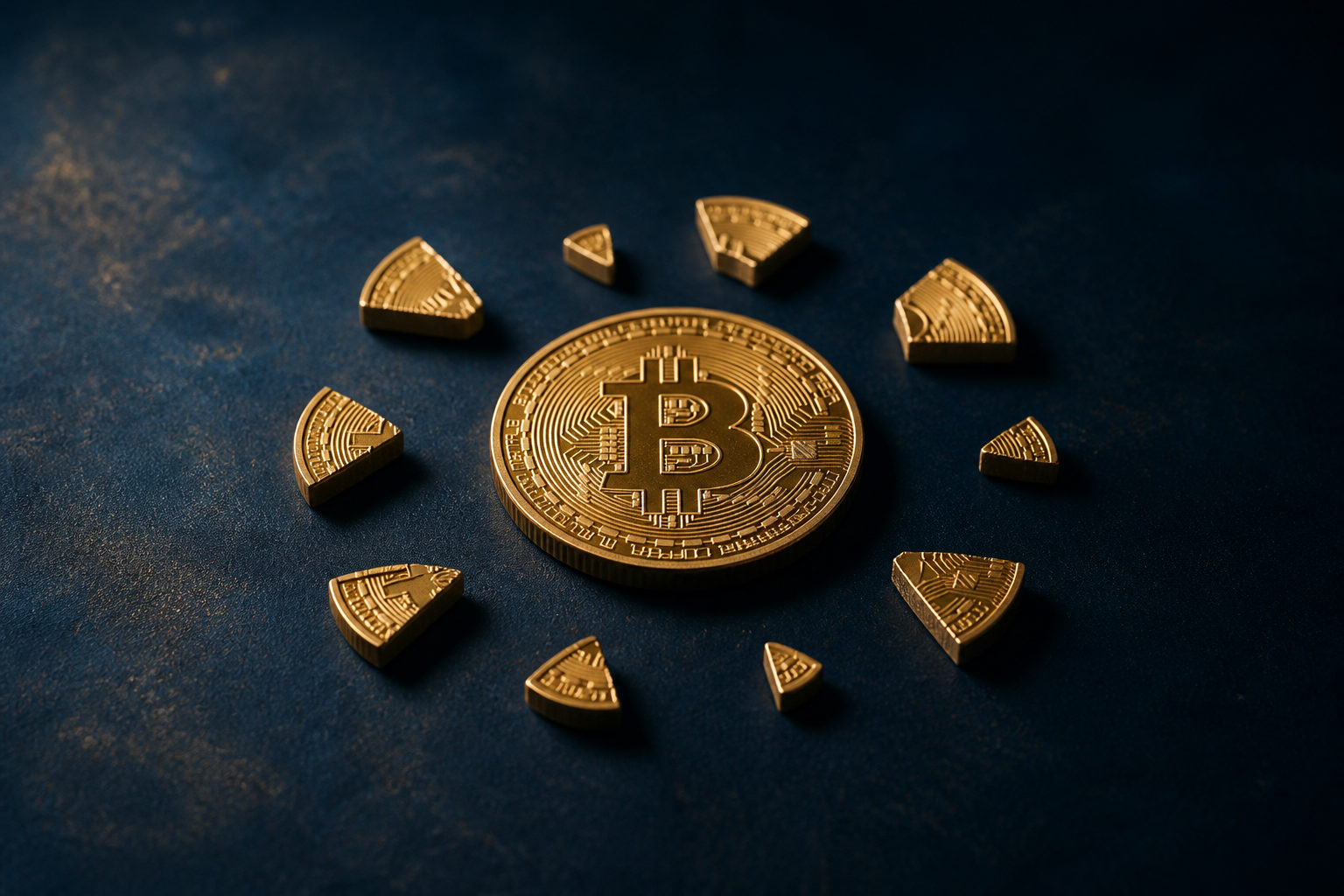
No, you do not have to buy a whole Bitcoin. Bitcoin is divisible, so you can buy a fraction of BTC and start with an amount you can afford to lose.
Start with the core fact: Bitcoin is divisible
A lot of first-time buyers assume Bitcoin must be purchased in full units, as if one coin were the minimum order size. That is not how Bitcoin works. BTC can be divided into smaller units, and the smallest unit is the satoshi, where 1 satoshi equals one hundred millionth of a BTC.
That matters because it changes the question from “Can I afford a whole coin?” to “How much exposure am I comfortable taking?” For most people, that is the more useful question. It also helps remove the false pressure of thinking ownership only counts if you reach a full coin.
If you searched “do i have to buy a whole bitcoin,” the short answer is no. The better answer is that you should first understand what you are buying, how the buying process works, and how to avoid avoidable mistakes.
Step 1: Confirm what you are actually buying
What to do
Before you place any order, check whether the service shows your purchase in BTC terms, in a dollar amount, or in some internal product format. Read the order preview carefully and make sure it is clear that you are buying Bitcoin exposure in a form you understand.
Why it matters
Many beginners think the only issue is whether they need enough money for a full coin. In practice, the bigger risk is buying something they do not fully understand. Some services make the process look simple, but the key details may sit in fee disclosures, custody terms, or withdrawal rules.
You want to know whether you are buying actual BTC that can be held and managed under the provider’s rules, or whether you are entering a product structure with limits you did not expect. If that distinction is blurry, stop and read more before sending funds.
What to watch for
- Do not assume “fractional Bitcoin” means every service works the same way.
- If the language is vague, check the asset description and account terms again.
- If you cannot explain where your Bitcoin will appear after purchase, you are moving too fast.
Step 2: Set a budget based on your finances, not on the idea of owning one full coin
What to do
Decide on an amount of money that would not affect your rent, debt payments, daily expenses, or emergency savings if Bitcoin moved sharply against you. Then consider starting with a smaller test purchase rather than using your full budget at once.
Why it matters
The phrase “whole Bitcoin” can create an artificial target. That target may sound neat, but it can push people into bad decisions. Someone who feels compelled to reach one full coin may overextend, ignore risk, or buy in a rushed and emotional way.
Budget-first thinking is healthier. It keeps your decision tied to your own cash flow and risk tolerance instead of a symbolic milestone. It also makes it easier to stay calm if the market becomes volatile, because your position size was chosen on purpose.
What to watch for
- Do not use money set aside for bills, tuition, or emergencies.
- Do not copy someone else’s goal just because they talk about owning a whole coin.
- A smaller starting position does not remove risk; it only limits how much capital is exposed.
Step 3: Choose a buying route by checking rules and security before convenience
What to do
When comparing ways to buy Bitcoin, look at account security, fee disclosures, custody terms, withdrawal conditions, and the clarity of the platform’s support information. After opening an account, set a strong password, enable two-factor authentication, and confirm that your alerts work.
Why it matters
Beginners are often drawn to convenience. Fast setup, simple wording, and small minimum purchases can feel reassuring. Scammers know that. So do low-quality services that rely on people skipping the fine print.
The safest habit is to slow down. A good service should make it clear how buying works, what it charges, what happens after settlement, and what limits apply if you want to move your BTC later. If those points are hard to find or poorly explained, that is already useful information.
What to watch for
- Do not trust social media messages, chat groups, or strangers offering to buy on your behalf.
- Do not send money to a person who claims they can secure a better deal privately.
- Any promise of guaranteed returns, protected capital, or secret access should raise an immediate red flag.
Step 4: Make a small test purchase before doing anything larger
What to do
Use a small amount to go through the entire process once. Check the quoted amount, review any fee impact, complete the purchase, and then verify how the BTC appears in your account. If you plan to move Bitcoin to an external wallet, make sure you understand the address and network details before trying it.
Why it matters
A small test purchase turns theory into practice. You stop guessing how the interface works and see what actually happens to your money, your account balance, and your ability to manage the asset after the trade. That can reveal issues you would never catch by reading a headline claim that says Bitcoin can be bought in fractions.
This step is also one of the simplest anti-scam habits. If a process becomes confusing, if fees seem inconsistent, or if the service starts pushing you into extra steps you did not expect, your exposure is still limited. You have given yourself room to stop and reassess.
What to watch for
- Check whether there is a minimum purchase amount.
- Check whether fees are listed separately or embedded in the price spread.
- If withdrawal is available, read the conditions before assuming you can move BTC freely.
Step 5: Deal with storage and account control before adding more
What to do
After buying Bitcoin, decide how you want to hold it and what level of control you want over the asset. Learn the difference between leaving BTC under a provider’s custody and using a wallet setup that gives you direct responsibility for access and backups.
Why it matters
Many people focus entirely on the buy button and ignore what comes after. That is a mistake. Losing account access, mishandling recovery information, or misunderstanding custody can create bigger problems than the original purchase decision.
You do not need to master every wallet option right away. You do need to understand who controls the account, what security steps are in place, and what happens if your phone, email, or device setup changes. Buying a fraction of Bitcoin is simple. Keeping it safe still requires care.
What to watch for
- Never share passwords, codes, or recovery details with anyone.
- Do not assume a person is trustworthy just because they sound experienced.
- Before changing devices or deleting an app, confirm your login and recovery process.
- If someone offers to “hold” or “manage” your Bitcoin for you, treat that as a risk signal.
Common scams to avoid when buying less than one Bitcoin
Buying a fraction of Bitcoin is normal. The scam risk does not come from the fraction itself. It usually comes from shortcuts, confusion, or pressure. Fraudsters often target beginners by making the process sound easier, faster, or more profitable than it really is.
Watch for a few recurring patterns. One is private payment requests through messaging apps. Another is fake support that contacts you first and asks for codes or account details. A third is pressure language that says you must act now or lose a rare chance to buy at a special rate. None of that is a normal reason to hurry.
A good discipline is simple: read before you act, test before you size up, and verify before you transfer. The point is not to become paranoid. The point is to remove the kinds of errors that happen when excitement replaces process.
FAQ
Can I buy just a small amount of Bitcoin?
Yes. Bitcoin can be bought in fractions, so you do not need to purchase a full BTC. Many beginners start with a smaller amount so they can learn the process with less capital at risk.
Does owning part of a Bitcoin still count as owning Bitcoin?
Yes, it does. Ownership is not limited to full coins. If you have bought a fraction of BTC through a legitimate service and it is recorded in your account under the applicable rules, you have Bitcoin exposure in that amount.
Is it better to buy all at once or in smaller purchases?
That depends on your budget, your risk tolerance, and how comfortable you are with price swings. For many beginners, smaller purchases are easier to manage because they reduce the pressure of making one large decision at the wrong time.
Do lower purchase amounts make scams less dangerous?
Not necessarily. A small first purchase can be a smart learning step, but it does not protect you if you ignore security or use an unsafe service. Scam prevention comes from careful checks, not from the size of the order alone.
Where should I keep Bitcoin after buying it?
That depends on whether you prefer provider custody or direct wallet control. Before buying more, make sure you understand who controls access, how account recovery works, and what security steps you need to keep in place.
The real issue is not whether you need a whole coin
The real issue is whether you can buy Bitcoin in a controlled, informed, and secure way. If you came here asking whether a full coin is required, the answer is no. If you are deciding what to do next, the best move is to start small, read the rules, test the process, and lock down your account before increasing your position.
That approach will not remove market risk. It can remove many of the avoidable mistakes that hurt beginners first.
Disclaimer: This article is for informational and educational purposes only and is not investment, financial, or legal advice. Crypto assets are highly volatile and you could lose your entire investment. Do your own research and decide carefully.