
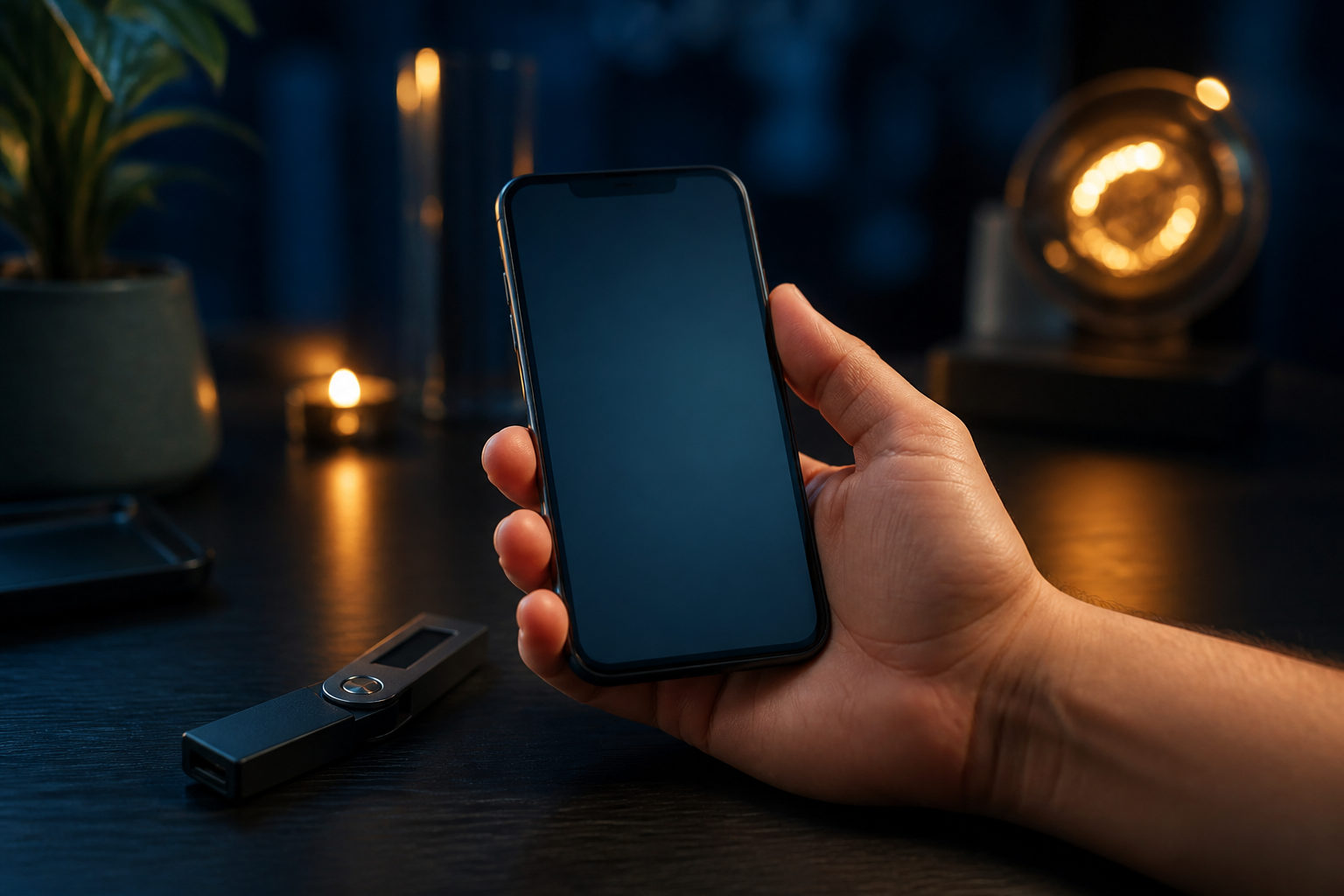
How to buy and use Bitcoin comes down to a simple sequence: choose a buying method, set up a wallet, make a small first purchase, test receiving and sending, and treat security as part of every step.
Start with the purpose, not the order button
Before you buy anything, decide what you want Bitcoin for. Some people want long-term exposure, some want to learn how on-chain transfers work, and some only want to receive or send payments.
That choice matters because the setup changes with the goal. If you only want hands-on practice, your first job is learning addresses, backups, and transaction history. If you plan to hold for a longer period, custody and account security deserve more attention than speed.
Step 1: Prepare a buying account and a wallet
Pick a service you can understand
When people ask how to buy and use Bitcoin, they often jump straight to price screens. A better first move is choosing a service with clear rules, readable fees, and a process you can follow without outside help.
Common options include crypto trading services, broker-style apps, and financial apps that support digital assets. The details vary a lot: identity checks, withdrawal controls, support response, and how clearly costs are shown can all affect your experience.
There is also a practical reason to slow down here. Scams often begin with a direct message, a fake app download, or a promise that someone else will handle the hard part for you. If a stranger tells you where to sign up, where to send money, or which file to install, stop and verify everything on your own.
Understand what the wallet does
Buying Bitcoin and storing Bitcoin are related, but they are not the same task. A buying service helps you exchange funds for BTC. A wallet is the tool that lets you receive Bitcoin, send it, and manage the keys or recovery data connected to your balance.
For beginners, custodial products can feel easier because much of the setup is handled for you. Self-custody gives you more control, but it also means more responsibility. If you lose your recovery phrase or expose your private key, there is usually no reset button.
One rule should stay fixed from day one: never share your recovery phrase, private key, or one-time verification code. No real support team needs those items to help you.
Step 2: Buy a small amount first
The safest answer to “how do I purchase and use bitcoins” is not “buy more.” It is “test the full process with a small amount.” After your account is ready and your payment method is set, make your first purchase small enough that a mistake would stay manageable.
That first test serves several purposes. You get to see how the order screen works, whether fees are shown clearly, whether the service allows withdrawals, and whether any review or delay appears before you can move funds. Small tests lower stress, and lower stress usually means fewer mistakes.
Read the asset name carefully before you confirm anything. Some apps show Bitcoin next to products tied to Bitcoin, and a beginner may not notice the difference. If your goal is to learn how to use Bitcoin itself, make sure you are buying BTC that can be withdrawn to a wallet and used for transfers.
Step 3: Learn to use Bitcoin after you buy it
Practice receiving first
Receiving is often the easiest first exercise. In a wallet, you will usually see a receiving address and a QR code linked to it. Someone sending you Bitcoin only needs that address. They do not need your password, recovery phrase, or login code.
This is a good starting point because the action is simple and the error rate is lower than sending. You can use it to learn where your wallet shows incoming activity, how transaction history is displayed, and how to double-check that the address you copied is the one you meant to share.
Then test a small outgoing transfer
Sending deserves more care than buying. You need to confirm the destination address, the amount, and the fee settings before you approve the transfer. Bitcoin transactions also take time to confirm because the network adds blocks about every 10 minutes.
A small test transfer is the best habit to build early. Send a limited amount first, wait for it to arrive, and only then move a larger amount if needed. This reduces the chance of sending funds to the wrong address or discovering too late that the receiving side does not support your intended workflow.
Using Bitcoin does not mean constant trading
Many beginners assume that using Bitcoin means buying and selling all the time. It can be much simpler than that. If you can buy BTC, move it to a wallet, back up your recovery data, receive a payment, send a test transaction, and review the record, you are already using Bitcoin in a real way.
That matters because good habits are more important than speed. A careful user who checks each step can avoid many of the mistakes that trap new buyers.
Step 4: Put scam prevention ahead of convenience
The biggest beginner risk is often not market volatility but trust placed in the wrong person. Common traps include fake support accounts, fake wallet apps, paid chat groups, over-the-counter “helpers,” remote screen-sharing sessions, and promises that someone can trade on your behalf.
The warning signs are usually clear once you know them. Be very cautious if anyone asks for your recovery phrase, requests your verification code, wants you to install remote access software, or says your funds are guaranteed to grow. Bitcoin gives control to the holder of the right credentials, and scammers know that.
Storage habits matter as well. Keep everyday testing funds separate from any amount you may want to hold for a longer period. Protect your phone or computer with a strong passcode, enable two-factor authentication where available, and keep your software updated so basic device risks do not become wallet risks.
Another point is easy to miss: Bitcoin transactions are usually irreversible. If you send BTC to the wrong address, there is generally no chargeback process that can undo it. That is why address checks should be routine, not optional.
FAQ
What should a beginner set up before buying Bitcoin?
Start with a clear purpose, a buying service you can use without outside guidance, and a wallet you know how to back up. If you do not yet understand recovery phrases, withdrawal steps, and address checks, keep the first purchase small.
Do I need to move Bitcoin into my own wallet after buying?
Not always, but you should understand the trade-off. Keeping BTC on a service may feel easier, while moving it to a self-custody wallet gives you more direct control. The better choice depends on your habits, your risk tolerance, and how often you plan to use it.
Why is a Bitcoin transfer not instant?
Bitcoin transactions need network confirmation. The network adds a block about every 10 minutes, and the fee level you choose can affect how quickly your transaction is processed.
How can I spot a Bitcoin buying tutorial that is actually a scam?
Watch for any guide that pushes you away from normal account steps. If it asks for private credentials, private transfers to an individual, screen sharing, remote access, or guaranteed returns, treat it as a major red flag.
After I learn how to buy and use Bitcoin, what should I do next?
Build a repeatable routine. Use small test transactions, verify addresses every time, separate spending funds from longer-term holdings, and never let another person control your keys or recovery data.
A practical order of actions
- Decide whether you want Bitcoin for holding, sending, receiving, or learning.
- Choose a service with clear rules, readable fees, and a process you can complete yourself.
- Set up a wallet and back up the recovery information offline.
- Buy a small amount first so you can learn the interface without heavy pressure.
- Test one small incoming transaction and one small outgoing transaction.
- Separate day-to-day funds from any amount meant for longer-term storage.
- Check the destination address every time and refuse any stranger who wants remote control of your device.
If you are ready to begin, do one full low-risk practice run: set up the account, back up the wallet, buy a small amount, withdraw a small amount, and send a small test transfer. Once that path feels clear, you can decide whether to increase your use.
Disclaimer: This article is for informational and educational purposes only and is not investment, financial, or legal advice. Crypto assets are highly volatile and you could lose your entire investment. Do your own research and decide carefully.