
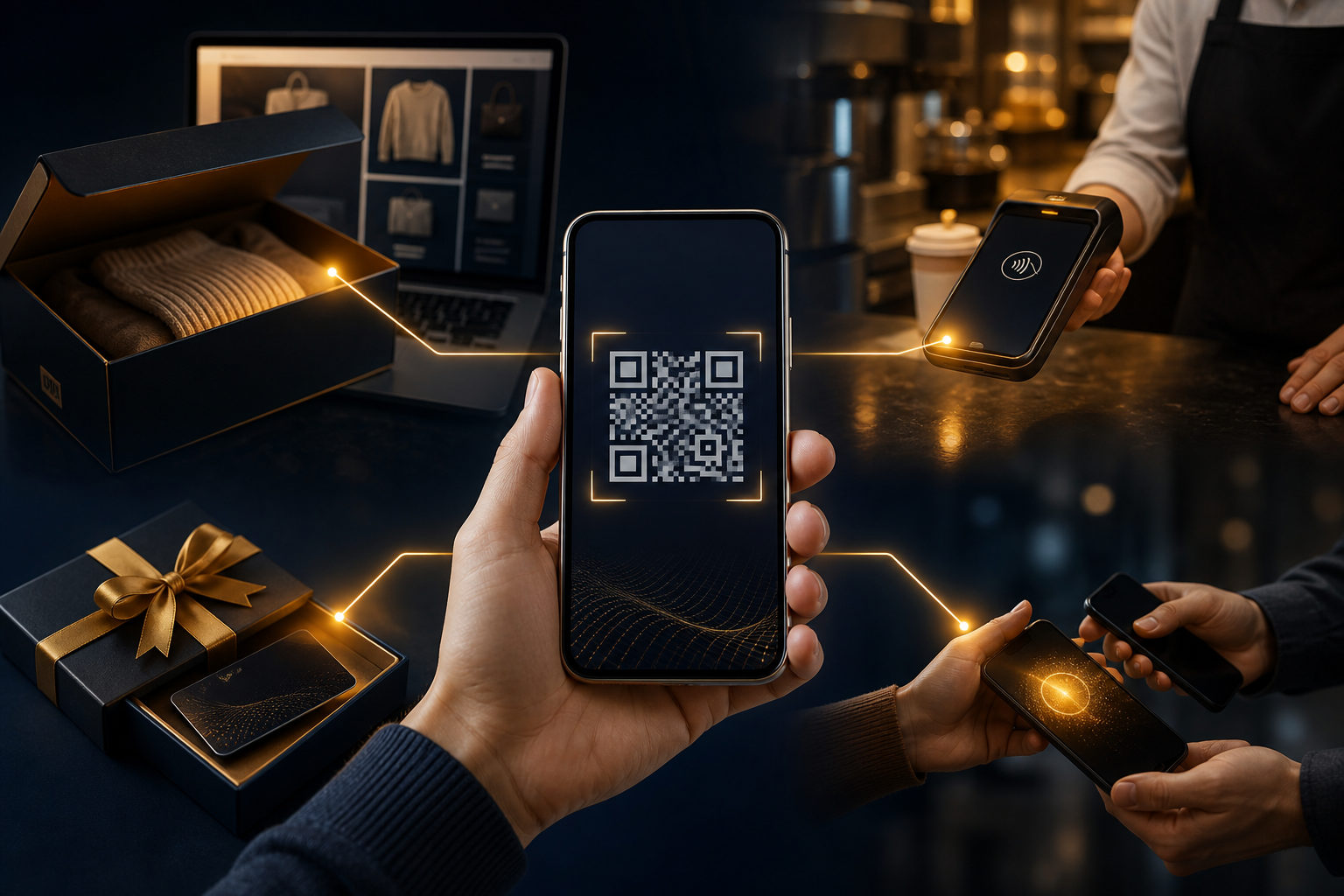
Bitcoin is accepted in some online stores, in-person shops, gift card services, and person-to-person payments, but the real question is not just where it works. The safer question is how to verify that a seller truly accepts Bitcoin before you send a payment that may be hard to reverse.
Where Bitcoin is usually accepted
When people search for where Bitcoin is accepted, they often expect a list of merchants. A list can help for a moment, but it becomes outdated fast. A better approach is to understand the types of places that are more likely to accept Bitcoin, then learn how to confirm support before paying.
The most common categories are online services, digital goods, small businesses with international customers, gift card purchases, and direct payments between individuals. Some merchants accept Bitcoin directly into their own wallet. Others use a payment processor that lets the customer pay in Bitcoin while the merchant receives dollars on the back end.
That difference matters. Direct acceptance means you need to pay closer attention to wallet addresses, confirmation requirements, and how refunds are handled. Processor-based acceptance may look easier, yet it can come with strict payment windows, automatic order expiry, and refund rules that differ from standard card payments.
Common acceptance scenarios
- Online services: software tools, subscriptions, digital downloads, educational products.
- Physical retail: some cafes, small shops, event vendors, and specialty stores.
- Gift card routes: paying with Bitcoin first, then spending through a gift card network.
- Freelance or creator payments: direct client payments or audience support.
- Personal transfers: sending value to someone who has agreed to receive Bitcoin.
Bitcoin acceptance does not mean every part of the transaction is simple. A seller may take Bitcoin at checkout while keeping stricter rules for cancellation, customer support, or refunds. That is why a payment method should never be checked in isolation from the rest of the order flow.
How to verify that a business really accepts Bitcoin
If you want a practical answer to where Bitcoin is accepted, use a verification process instead of relying on marketing claims. The steps below focus on action, the reason behind each action, and the main caution point. This structure helps reduce the chance of paying the wrong party or getting trapped in a bad checkout flow.
Step one: confirm that Bitcoin itself is supported
Start at the checkout page, payment page, or official help section. Look for a clear reference to Bitcoin or BTC, not just a generic phrase such as crypto accepted. Some businesses mention cryptocurrency in broad terms but only support selected assets, or only enable the option in certain regions.
The reason for this step is simple: promotional text is not the same as an active payment method. A homepage banner, a social post, or a chat reply from support is not enough if the checkout page does not show Bitcoin as a working option.
The caution point is to avoid paying from screenshots or instructions copied by third parties. If the business cannot show the payment method inside its official purchase flow, do not send funds.
Step two: identify the payment format before you pay
Next, check how the seller wants to receive the payment. You may see a Bitcoin address, a QR code, or a separate payment processor page. This matters because each format comes with different timing rules, tracking methods, and support procedures.
The reason to slow down here is that Bitcoin payments are easy to send and hard to undo. If the page shows multiple assets or multiple networks, do not assume they are interchangeable. A Bitcoin payment should match the Bitcoin payment instructions given for that order.
The caution point is obvious but often ignored: sending the wrong asset or using the wrong network can lead to permanent loss. Do not rely on guesswork because the interface looks familiar.
Step three: check for price lock rules and time limits
Many crypto checkouts display a timer. That timer usually means the quoted amount is valid only for a limited period. After that, the order may expire and a new amount may be required.
The reason is that payment processors and merchants often want to limit exposure to price movement while the invoice is open. Even if the store accepts Bitcoin, it may not honor an old quote after the payment window closes.
The caution point is not to copy an address, leave the page open for too long, and then send payment later as if nothing changed. If the invoice has expired or the order status looks wrong, return to the order page and verify the current instructions before sending anything.
Step four: learn what the seller counts as completed payment
Some sellers begin processing an order once the transaction is broadcast. Others wait for blockchain confirmation before they release goods or activate service. This varies by product type and by the seller's risk controls.
The reason to check in advance is that your wallet saying sent does not always mean the merchant considers the order complete. For digital items, automatic delivery may depend entirely on the merchant system detecting the payment under its own rules.
The caution point is not to treat a successful outgoing transaction in your wallet as final proof that the order is done. The order status page, if available, is more useful than a chat message that says payment should be fine.
Step five: read the refund policy before sending funds
Bitcoin transactions are generally not reversible in the same way as a card chargeback. If something goes wrong, the refund process depends on the merchant's policy, not on undoing the blockchain transaction.
The reason this matters is that some sellers accept Bitcoin but issue refunds only as store credit, account balance, or manual repayment to a new address you provide. Those terms can affect whether Bitcoin is a good choice for that purchase at all.
The caution point is to reject any claim that you must send an extra verification payment in order to receive a refund. That is a common pressure tactic and a serious red flag.
Step six: verify the seller identity and entry point
Before you hit send, check the website name, domain, app name, customer support path, and public account identity. Fake stores and cloned checkout pages often target Bitcoin users because a mistaken transfer is difficult to recover.
The reason to do this last check is that urgency defeats good judgment. Fraud attempts often push buyers to pay quickly by using discount pressure, support impersonation, or private messages with payment instructions.
The caution point is never to trust a random direct message, a copied QR code from a chat room, or a search ad page without confirming that it belongs to the real business.
The places where Bitcoin is accepted can still be risky
Many payment problems do not come from the lack of acceptance. They come from weak process design or poor judgment during checkout. The following situations are common trouble spots.
A Bitcoin checkout option does not guarantee Bitcoin-friendly support
A store may let you pay with Bitcoin while still using a customer support system built around traditional payments. If an order is canceled, support may respond slowly or offer store credit rather than a direct refund path.
This is especially important for subscriptions, preorders, and custom services. Those categories already have stricter cancellation terms, so paying in Bitcoin can make the practical outcome less flexible.
In-person QR payments are convenient but easy to mishandle
At a shop counter or event booth, the seller may generate a QR code on the spot. That can work well, but it also puts pressure on the buyer to decide fast in a noisy environment.
The main reason for caution is that you must verify the QR code belongs to the business and not to an employee's personal wallet or a replaced image. If the setting is rushed, people often skip basic checks they would normally do online.
The caution point is simple: if the order details, amount, or payment instructions are not clear, stop and confirm them before scanning and sending.
Gift cards expand spending options, but add limits
Some users cannot find merchants that directly answer the question of where Bitcoin is accepted, so they use Bitcoin to buy gift cards first. This can widen the range of places where value can be spent, but the tradeoff is more restrictions.
The reason to be careful is that gift cards may have regional limits, fixed denominations, tighter dispute rules, and weak refund options after redemption. They are not the same as cash and should not be treated as equivalent.
The caution point is to avoid secondary sellers with unclear sourcing. A discount is not useful if the card later turns out to be invalid or restricted.
Personal transfers and stranger sales are very different
Bitcoin works well for direct transfers between people who already trust each other. That does not mean it is safe by default in deals with strangers. In a stranger transaction, the payment often goes first and the promised goods or service may never arrive.
The reason these cases are risky is that Bitcoin only moves value. It does not verify identity, guarantee delivery, or create a refund right by itself.
The caution point is not to mistake payment acceptance for credibility. A seller's willingness to take Bitcoin says nothing about whether the seller will perform as promised.
A safer way to find places that accept Bitcoin
Instead of depending on a static list, build a repeatable screening method. That way, even when merchants change, you can still answer where Bitcoin is accepted in a way that is useful in real purchases.
Method one: work backward from checkout, not from advertising
Add the item to your cart and move through the full order flow. If Bitcoin or BTC appears as a real payment option at the end, that tells you more than a headline claim ever could.
The reason this works is that checkout reflects live conditions. A business may mention crypto publicly while disabling it for certain products, shipping zones, or customer groups.
Method two: choose sellers with complete payment rules
Look for clear instructions on payment timing, confirmation standards, expired invoices, refund treatment, and support contact. A business that documents these points is usually safer to deal with than one that only posts a wallet address.
The reason is not that clear rules guarantee a perfect outcome. It is that structured processes leave less room for confusion, manipulation, and post-payment argument.
Method three: test the flow with a small purchase when possible
If the merchant allows it, start with a low-value order. This lets you verify the payment path, invoice behavior, order updates, and support responsiveness before using Bitcoin for a larger purchase.
The caution point is to follow the merchant's rules. Do not split or reduce a payment on your own if the invoice does not allow it.
Method four: keep records of the whole payment process
Save the order page, payment instructions, QR code or address view, invoice details, and support messages. These records will not reverse a blockchain payment, but they can help if you need to explain a dispute or show what the seller instructed you to do.
The reason this matters is that many payment disputes become harder simply because the buyer cannot reconstruct the order steps later. In Bitcoin transactions, good records are often your only practical protection after the fact.
FAQ
What kinds of businesses are more likely to take Bitcoin
Online services, digital goods sellers, internationally oriented small businesses, and businesses that already serve crypto users are the most likely candidates. Physical stores may accept Bitcoin too, but support is uneven and should be confirmed at checkout or on site.
Does crypto accepted always mean Bitcoin accepted
No. Crypto is a broad category, and some sellers only support selected assets or use processors with limited options. Always check for a direct reference to Bitcoin or BTC before paying.
Can a Bitcoin payment be canceled after I send it
In most cases, no. A sent blockchain transaction is generally not something the payer can reverse like a card dispute. If there is any refund path, it comes from the seller's policy and cooperation.
Is it safe to pay with Bitcoin by scanning a QR code in a store
It can be safe if the QR code clearly belongs to the business and you have time to verify the order details. If the source is unclear or the seller is rushing you, do not proceed until the payment information is verified.
What if I cannot find a store that directly takes Bitcoin
You may consider routes such as gift cards or direct person-to-person payment if the other side explicitly agrees. Still, each route has its own limits and fraud risks, so it is better to change payment methods than to force a Bitcoin transaction into a setup that is not clear.
Before every Bitcoin payment, check four things: whether the seller clearly supports Bitcoin, whether the payment instructions match Bitcoin, whether the order rules are written out, and whether the refund path makes sense. That checklist is more useful than any static directory of places that accept Bitcoin.
Disclaimer: This article is for informational and educational purposes only and is not investment, financial, or legal advice. Crypto assets are highly volatile and you could lose your entire investment. Do your own research and decide carefully.