
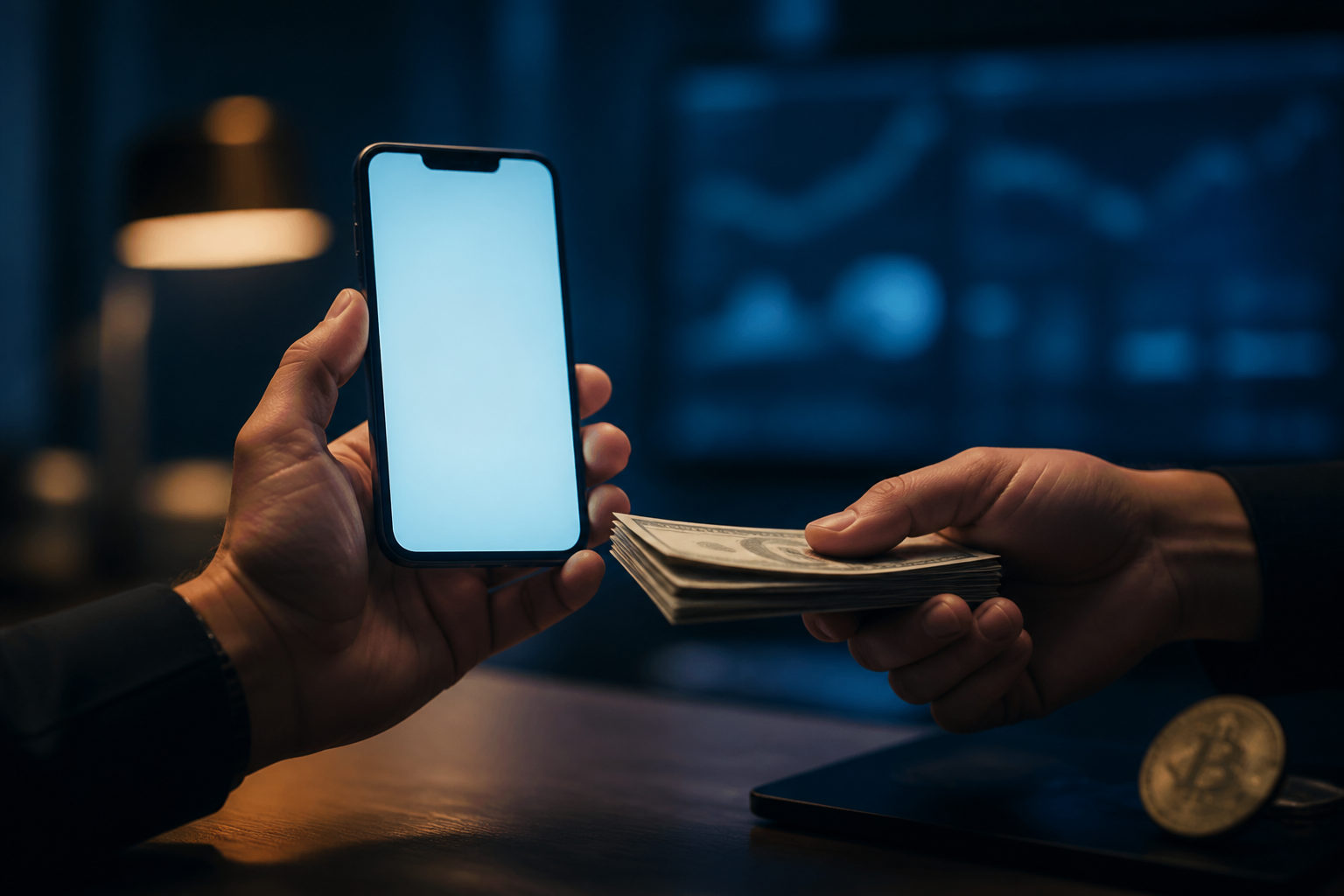
Yes, you can sell bitcoins for cash. The real question is how to do it without sending your BTC away too early, getting paid through a risky route, or walking into a scam because the process felt rushed.
What selling bitcoin actually involves
When people ask whether they can sell bitcoins, they usually picture one simple trade: coin out, cash in. In reality, two separate actions are happening. Your bitcoin moves on-chain or inside a service account, while the buyer's fiat payment moves through a bank or another payment channel.
That split matters. A message saying “paid” is not the same thing as settled funds in your own account, and a blockchain confirmation does not prove that the cash side is finished.
A safer step-by-step way to sell
Start by checking where your bitcoin is held
Look at custody first. If your BTC sits in a self-custody wallet, you control the transfer and must handle address checks yourself. If it is already inside a trading service account, selling may feel easier, but you still need to review withdrawal rules, identity checks, and whether fiat payouts are available to you.
People skip this and regret it later. They discover their coins are available, but their cash withdrawal setup is not. Or they find out part of the balance is restricted and cannot be used right away.
Choose a sale method by following the money, not the ad
You can sell through a trading service, use a peer-to-peer setup, or transfer directly to someone you know. Each route can work. What changes is where the risk sits.
A service-based sale usually keeps more of the process in one place. A peer-to-peer deal gives you more flexibility, but it also puts more pressure on you to check the buyer, confirm who actually sent the money, and decide exactly when release of BTC is safe. A direct transfer to a friend may sound casual, though the same checks still apply.
Ask one plain question before you do anything else: where will the cash land? If that answer is fuzzy, the trade is not ready.
Review your payout details before you list or transfer
Check the receiving account name, payout method, identity status, and any restrictions tied to the account you plan to use. A sale can stall even after the bitcoin side is done if your bank details do not match, if the payout path was never set up properly, or if the service asks for extra verification at the worst possible moment.
That is not paperwork for its own sake. It is how you avoid being halfway through a deal with no clean way to receive the fiat side.
Run a small test if the route is new to you
A small test sale can reveal a lot: whether you understand the interface, whether the transfer instructions are clear, and whether the payout arrives where you expect it to. That is especially useful when you are moving BTC from your own wallet.
Short step. Big value.
You are not testing the market. You are testing your process. If the address is wrong or the network selection is wrong, bitcoin transfers are generally not reversible, so this is the moment to slow down and read every field twice.
Confirm actual receipt of funds before releasing bitcoin
This is where many bad trades go wrong. In any sale flow that depends on your approval, do not rely on screenshots, edited receipts, chat claims, or a payment notification alone. Open your own bank or payment account and verify that the money has arrived, that the amount matches the trade, and that the sender details do not raise obvious questions.
Pressure is part of the scam pattern. A buyer says the system is delayed, asks you to release first, or insists the money will show up in a moment. Stop there. Once BTC is released, your position changes fast.
Keep records until the funds are clearly usable
Save the order details, chat history, wallet transaction hash, and proof of the incoming payment. Do not delete everything the minute the trade looks finished. If a dispute appears later, or if the payment channel flags the transfer for review, those records give you something concrete to work with.
Most of the time you may never need them. The one time you do, you will want the full trail.
Common risks when selling bitcoin for cash
- Fake proof of payment: a screenshot or video that looks convincing but does not match your real account balance.
- Third-party payment: the buyer on the order is not the same person who sent the money.
- Rushed release pressure: the other side tries to make speed feel more important than verification.
- Moving the deal off the original channel: someone asks you to continue in another app or outside the normal order flow.
- Wrong address or wrong network: the BTC goes out, but not to the place you intended.
- Payout account trouble: the money appears to be on the way, yet your receiving account runs into review or access issues.
None of these traps is exotic. Most come from one weak point: the seller acts before checking each step with their own eyes.
What to watch in different selling setups
| Method | Check first | Usually suits |
|---|---|---|
| Sell inside a trading service | Identity status, payout rules, withdrawal path | People who want a more contained process |
| Peer-to-peer sale | Buyer behavior, sender consistency, release timing | People willing to verify every detail themselves |
| Direct sale to someone you know | Correct wallet address, confirmed payment, saved messages | Situations where the counterparty is clearly known |
No method removes responsibility. It only shifts where you need to pay attention.
FAQ
Can you sell bitcoin for cash?
Yes. The usual route is to sell BTC and receive fiat through a bank or another supported payout channel. The safer approach is to confirm in advance how that payout works and where the money is supposed to arrive.
Can I sell my bitcoins for cash right away?
Possibly, but “right away” depends on the sale method, your account status, and whether your payout setup is already in place. A bitcoin transfer can complete before the cash side is ready, so treat them as separate checks.
Can I trust a payment screenshot when I sell my bitcoin?
No. A screenshot is only a claim. You should verify the incoming funds by logging into your own official receiving account and checking the actual posted payment before taking the next step.
Can I sell my bitcoin directly to another person?
Yes, but that does not reduce the need for care. You still need to confirm the wallet address, verify receipt of funds yourself, and keep a record of what was agreed and what was paid.
If I already hold BTC in my own wallet, do I need to move it first?
Not always. Some sale routes require a transfer into a service account, while others let you send directly to the buyer. The better choice depends on which setup gives you the clearest way to verify payment and avoid mistakes.
Check these items before you hit sell
Look once more at the payout account, the exact wallet address, the selected network, and any request from the other side to change the process mid-trade. If anything feels unclear, pause the sale and sort that out first. Caution here is not overthinking. It is part of the transaction.
Disclaimer: This article is for informational and educational purposes only and is not investment, financial, or legal advice. Crypto assets are highly volatile and you could lose your entire investment. Do your own research and decide carefully.