
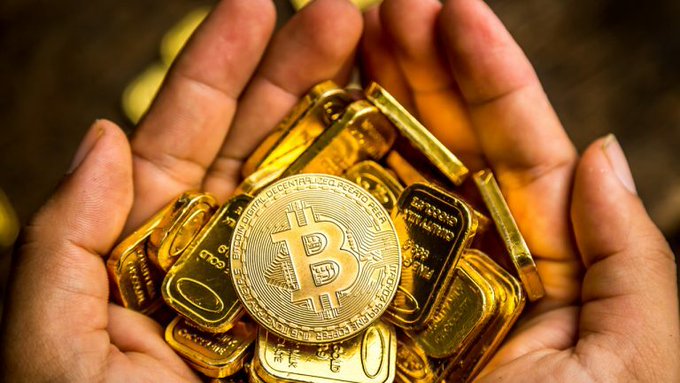
Bitcoins are digital units on the Bitcoin network that people use to send value, receive payments, and hold as an asset. For most beginners, using bitcoin comes down to four things: understanding wallets, learning how transactions work, checking details before sending, and avoiding scams.
What bitcoin is in practical terms
Bitcoin, often shown as BTC, was introduced in the 2008 white paper Bitcoin: A Peer-to-Peer Electronic Cash System by the pseudonymous Satoshi Nakamoto. The network started in January 2009 and was built to let users transfer value directly over the internet without relying entirely on a single payment operator.
The system records transactions on a blockchain maintained by distributed participants. New blocks are added roughly every 10 minutes, the total supply is capped at 21 million coins, and bitcoin can be divided into very small units. The smallest unit is the satoshi, and 1 satoshi equals one hundred millionth of a BTC.
How people usually use bitcoin, step by step
Step 1: Decide what you want bitcoin for
Start with the purpose, not the app. Some people want bitcoin for long-term holding, some want to receive transfers, and others just want to understand how on-chain payments work.
This matters because the best setup changes with the goal. A beginner testing a small payment cares about ease of use, while a long-term holder should think harder about backups and control of private keys. If you skip this step, it becomes easier to send funds into a setup that does not match your needs.
Step 2: Choose a wallet approach that fits your risk tolerance
A bitcoin wallet is a tool for managing addresses and signing transactions. It does not literally store coins inside a phone or laptop; it manages the credentials that let you control them on the network.
In broad terms, some arrangements leave key control with a service provider, while others put it directly in your hands. The reason this choice matters is simple: control of the private key is what determines control over the bitcoin. One warning belongs here and only here: if anyone asks for your seed phrase, private key, or recovery code, treat that as a serious danger sign.
Step 3: Learn how to receive bitcoin
To receive bitcoin, you share a receiving address. Many wallets also show that address as a QR code, which makes it easier for the sender to scan rather than type.
Accuracy is everything at this stage. Bitcoin transactions depend on exact address data, so a single wrong character can send funds elsewhere. Copy and paste is safer than manual typing, and if you use a QR code, check that the wallet is expecting a bitcoin transaction rather than a different asset on another network.
Step 4: Send a test transaction before sending a larger amount
When you send bitcoin, you normally confirm three items: the destination address, the amount, and the network fee. Before you approve the transaction, review the first and last characters of the address, the amount format, and the wallet prompts shown on screen.
This extra pause reduces one of the biggest sources of loss: preventable mistakes. Many bad outcomes do not come from advanced hacking but from rushing, trust, or pressure. If the recipient is new to you, send a small test amount first, confirm it arrived, and only then decide whether to send more.
Step 5: If you plan to hold, focus on backup discipline
People who intend to keep bitcoin for a long time often spend too much attention on market moves and too little on recovery planning. A wallet setup is only as good as your ability to regain access if a device fails, gets lost, or stops working.
That is why offline backup matters. Keep recovery information separate from everyday login details, avoid storing it in places that sync automatically, and do not leave it sitting in screenshots or cloud notes. Real support teams do not need your full recovery phrase to help you with basic issues.
What bitcoins are used for
In everyday terms, bitcoin is commonly used for person-to-person transfers, receiving payment from someone else, holding value over time, or learning how blockchain payments function. Some users like the direct nature of on-chain transfers. Others are drawn to the fixed supply model.
That does not mean bitcoin fits every payment situation. Transaction finality takes time, fees can vary, and the market price moves. If your question is really about value, the sensible move is to check a live market data source for the current bitcoin price instead of relying on chat screenshots or social posts.
| Use case | Why people use it | What to verify first |
|---|---|---|
| Receiving funds | Direct payment to a wallet address | Correct receiving address |
| Sending money | Transfer value on-chain | Address, amount, fee details |
| Holding long term | Interest in fixed supply | Backup and key control |
| Small practice use | Learn wallet and confirmation flow | Start with an amount you can afford to lose |
Common scams to watch for
- Fake support requests: A scammer claims to help with account issues and asks for your seed phrase or private key.
- Clipboard address replacement: Malware can replace a copied address with the attacker's address, so always recheck before sending.
- Guaranteed profit pitches: Anyone presenting bitcoin as risk-free should trigger caution right away.
- Impersonation: A message may appear to come from a friend, colleague, or community admin asking for an urgent transfer.
- Phishing pages: Search results, chat messages, or group posts can lead to fake wallet login screens designed to steal credentials.
Most beginners do not lose funds because bitcoin is impossible to understand. They lose funds because someone creates urgency, confidence, or confusion at the wrong moment. Treat every transaction as final, and your habits will become much safer.
FAQ
Do I need to buy one whole bitcoin?
No. Bitcoin is divisible into much smaller units, so most users deal with fractions rather than a full coin.
Can bitcoin be used for payments?
Yes, if the other party accepts it and gives you a valid receiving address or QR code. After you send it, the recipient can track the transaction as it moves through network confirmation.
Do I have to hold my own bitcoin?
Not always. Some people prefer convenience from a third party, while others want direct control over the private keys and accept the added responsibility that comes with it.
Why is a bitcoin transaction not always instant?
Because the network still needs to process it and include it in a block. A wallet may show that the transaction was broadcast before it reaches stronger confirmation status.
What mistake do beginners make most often?
A common one is sending to the wrong address or trusting instructions from strangers. Another is storing recovery details in connected environments where they can be exposed too easily.
If you want to use bitcoin for the first time, begin with a small amount, practice receiving and sending once, and set up an offline backup before treating it as long-term money. Safe habits matter more than speed.
Disclaimer: This article is for informational and educational purposes only and is not investment, financial, or legal advice. Crypto assets are highly volatile and you could lose your entire investment. Do your own research and decide carefully.