
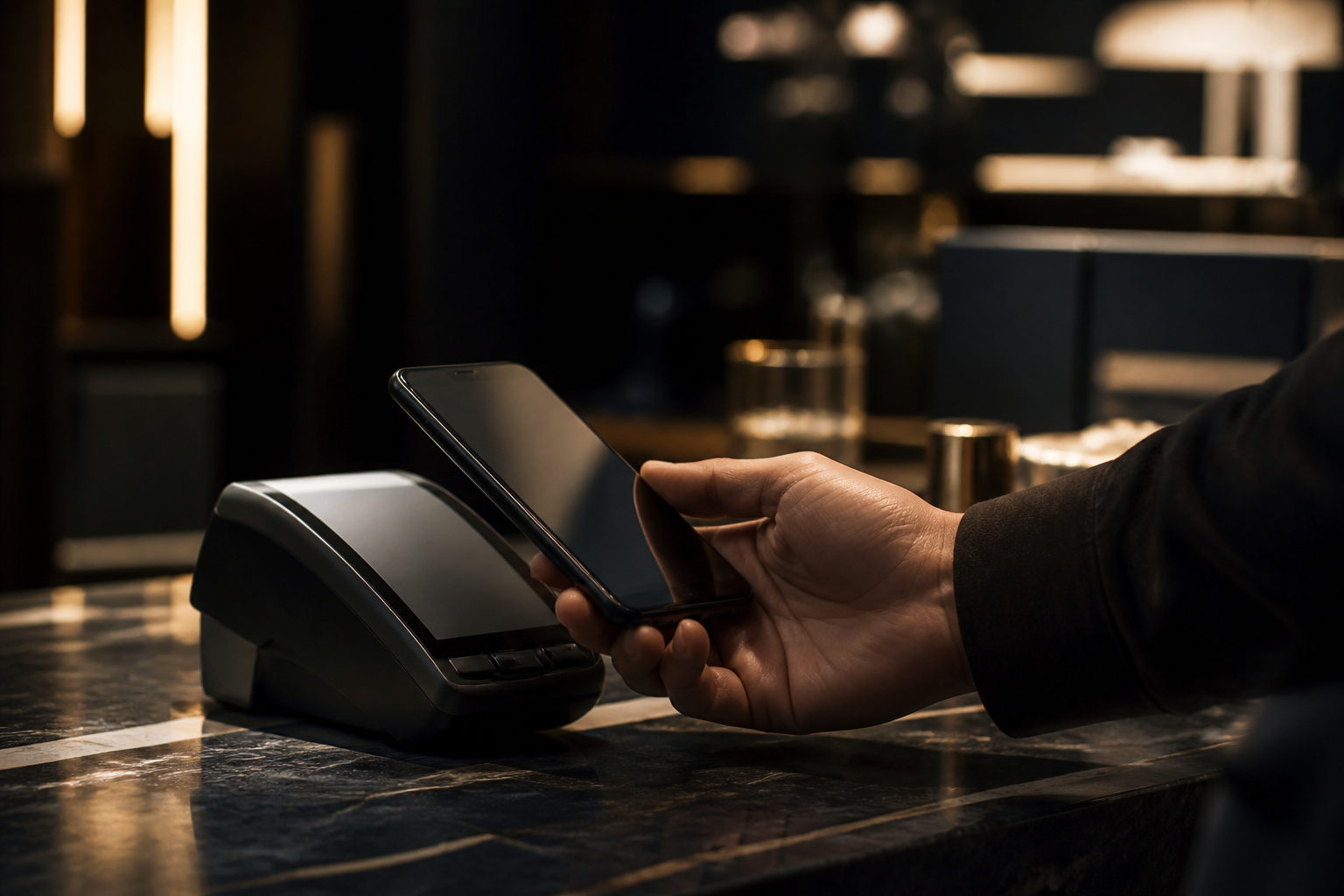
Bitcoin is used for person-to-person transfers, merchant payments, self-custody, and on-chain settlement. Whether it works well for you depends less on hype and more on checking addresses carefully, matching the right workflow to the right task, and spotting scams before you send anything.
Start by defining what you want to do with bitcoin
When people ask where bitcoin is used, they often expect a list of stores, countries, or websites. In practice, the better answer is a list of use cases. Bitcoin can be used to send value to another person, pay a business that accepts BTC, move funds into a wallet you control, or settle balances in a way that can be checked on-chain.
Your first move should be classification. Are you paying a merchant, sending BTC to a friend, withdrawing to your own wallet, or completing a deposit for a service that tracks incoming blockchain transactions? That choice affects everything that follows, including what you need to verify, how much timing matters, and what kind of mistake would hurt most.
| Use case | What you do | Why people use bitcoin here | Main caution |
|---|---|---|---|
| Personal transfer | Send BTC to another address | Direct value transfer across regions | A wrong address is usually not reversible |
| Merchant payment | Pay through a checkout page or QR code | Some sellers accept BTC | Confirm the seller actually takes bitcoin |
| Self-custody | Withdraw BTC to a wallet you control | Control your own keys or recovery data | Poor backup can mean permanent loss of access |
| On-chain settlement | Use blockchain transfers as proof of payment | Transaction status can be checked publicly | Sent does not always mean credited |
There is a good reason to separate these paths early. A payment mistake, a custody mistake, and a settlement mistake are not the same problem. If you treat them as one generic activity, you miss the checks that matter most in each case.
Another common misunderstanding is assuming that buying bitcoin and using bitcoin safely are basically the same skill. They are not. The second one is mostly about process and discipline.
Use case one: sending bitcoin to another person
The most direct use of bitcoin is a transfer from one address to another. The two people involved do not need the same provider or account type. If the recipient gives you a valid BTC address, you can send funds on-chain.
A practical workflow is simple. Ask for the recipient's BTC address through a trusted channel, compare the first and last characters carefully, and use a QR code when available. If this is your first transaction with that person, send a small test amount first and wait for them to confirm they can see it before sending the rest.
This matters because bitcoin transfers are generally not something a support desk can cancel after the fact. The system was introduced in the white paper Bitcoin: A Peer-to-Peer Electronic Cash System, published by Satoshi Nakamoto on 2008-10-31, and the genesis block followed on 2009-01-03. The design centers on direct transfer, which is useful, but it also puts more responsibility on the sender.
The main risks in this use case are operational. Clipboard malware can replace the address you copied with an attacker's address. A screenshot shared in chat can show a payment request that has been altered. A stranger can pressure you with urgency, hoping you send first and ask questions later.
Another point many beginners miss is timing. Bitcoin targets about 10 minutes per block, so confirmation speed can vary with network conditions and fee choices. That means a wallet showing “sent” is not the same thing as a recipient counting the transfer as final.
Use case two: paying for goods or services
Bitcoin can also be used to pay for products or services, but only where the seller supports it. Some businesses accept BTC directly. Others use a payment processor that presents a bitcoin invoice at checkout. In both setups, your job is to confirm what is being requested before you hit send.
A careful payment routine helps. First, check whether the checkout page clearly says BTC. Next, confirm that the payment details come from the seller's actual checkout flow rather than a private message from “support.” Then verify the amount, the address, and any payment window shown on the page. After you send, save the order reference and your transaction record.
Why be this methodical? A bitcoin payment often has two layers: the commercial order and the blockchain transfer. You can complete one and still fail the other. If the invoice expires, if you pay the wrong request, or if you were pushed to a fake page, the seller may say the order was never completed even though your wallet shows an outgoing transaction.
| Before paying | What to check | Why it matters |
|---|---|---|
| Asset type | Make sure the seller requests BTC | Some merchants accept crypto but not bitcoin |
| Source of invoice | Use the official checkout interface | Scam messages can redirect payment |
| Time limit | Read the invoice expiration rules | Late payment may not match the order |
| Records | Save order and transaction details | Useful if there is a dispute |
Gift cards and similar workarounds also exist, and some people use bitcoin that way when a business does not take BTC directly. That can work, but it comes with its own problems, such as invalid codes, region restrictions, and resale disputes. Treat it as a separate risk category, not as an automatic shortcut.
Use case three: holding bitcoin in a wallet you control
For many users, “using bitcoin” does not mean spending it right away. It means moving BTC into self-custody. In that setup, you control the wallet access and recovery data instead of leaving everything in a third-party account.
The basic process is to choose a wallet type you understand, create the wallet, back up the recovery information properly, and then withdraw BTC to your own address. After that, do a small practice round so you know how to view receiving addresses, recognize transaction status, and restore access if needed.
People take this route because control matters. Bitcoin has a hard cap of 21,000,000 BTC, with issuance expected to continue until about 2140, and some holders treat it as a scarce digital asset they want to manage directly. The system is also divisible down to 1 satoshi, which equals 0.00000001 BTC, so it can be stored or transferred in very small units rather than whole coins only.
The caution here is different from merchant payments. Your biggest threat is often poor backup hygiene. Do not leave recovery words in plain text inside email drafts, cloud notes, or chat apps. Do not assume that a photo stored on an internet-connected device is a safe backup. And do not hand recovery control to someone claiming they will “manage” the wallet for you.
Another mistake is treating a platform balance as if it were the same as coins under your own control. The real difference is not what the screen says you own. The real difference is whether you can independently withdraw and recover access without asking permission from anyone else.
Use case four: on-chain settlement and fund consolidation
Bitcoin is also used in situations where a verifiable payment trail matters. One example is consolidating BTC from several locations into one main wallet. Another is sending funds to a service that credits deposits based on blockchain confirmation rather than a traditional bank-style reference system.
The right workflow here starts with reading the receiving rules. Check whether the recipient requires a minimum amount, whether they wait for a certain level of confirmation before crediting funds, and whether you need to include an order identifier or account reference on their side. After sending, keep the transaction hash available so you can track it if any mismatch appears.
This use case fits bitcoin well because transaction status can be checked publicly. People can verify whether a transfer has been broadcast and whether the network has confirmed it. That transparency is useful when money is moving between wallets or into systems that rely on on-chain proof.
Still, public visibility does not solve counterparty risk. If you are dealing with an unknown over-the-counter seller, a chat-room admin, or an informal middleman, blockchain proof only shows where the coins went. It does not prove that the other party will deliver what they promised.
It also helps to remember that “sent,” “confirmed,” and “credited” are three different states. A service may not update your balance the moment your wallet shows an outgoing payment. If their internal process waits for more confirmation, your local screenshot will not be enough to settle the question.
FAQ
Is bitcoin used more for spending or for holding?
Both are common, but the balance depends on the user. Some people focus on payments and transfers, while others mainly use bitcoin by moving it into self-custody and keeping direct control over access.
Can I assume a business that accepts crypto will accept bitcoin?
No. “Crypto accepted” is too vague on its own. You need to see that BTC is specifically offered in the checkout flow before paying.
Can bitcoin be used in small amounts, or only as a whole coin?
It can be used in very small units. One satoshi is 0.00000001 BTC, so bitcoin is divisible enough for transfers and payments that are far below one full coin.
Why does a recipient sometimes say they have not received my bitcoin yet?
The transfer may still be waiting for enough network confirmation, or the recipient's system may credit deposits only after its own checks are complete. Start by comparing the on-chain status with the recipient's published deposit rules.
Is it safe to use bitcoin in private deals with strangers?
That carries high risk. If the other side pushes you out of a normal payment flow, changes the address in direct messages, or relies on urgency to get you to send fast, stop and verify before doing anything else.
If you want a practical starting point, keep three habits: define the use case first, run a small test for first-time transfers, and save every payment record that matters. Those habits do more for safe bitcoin use than memorizing slogans ever will.