
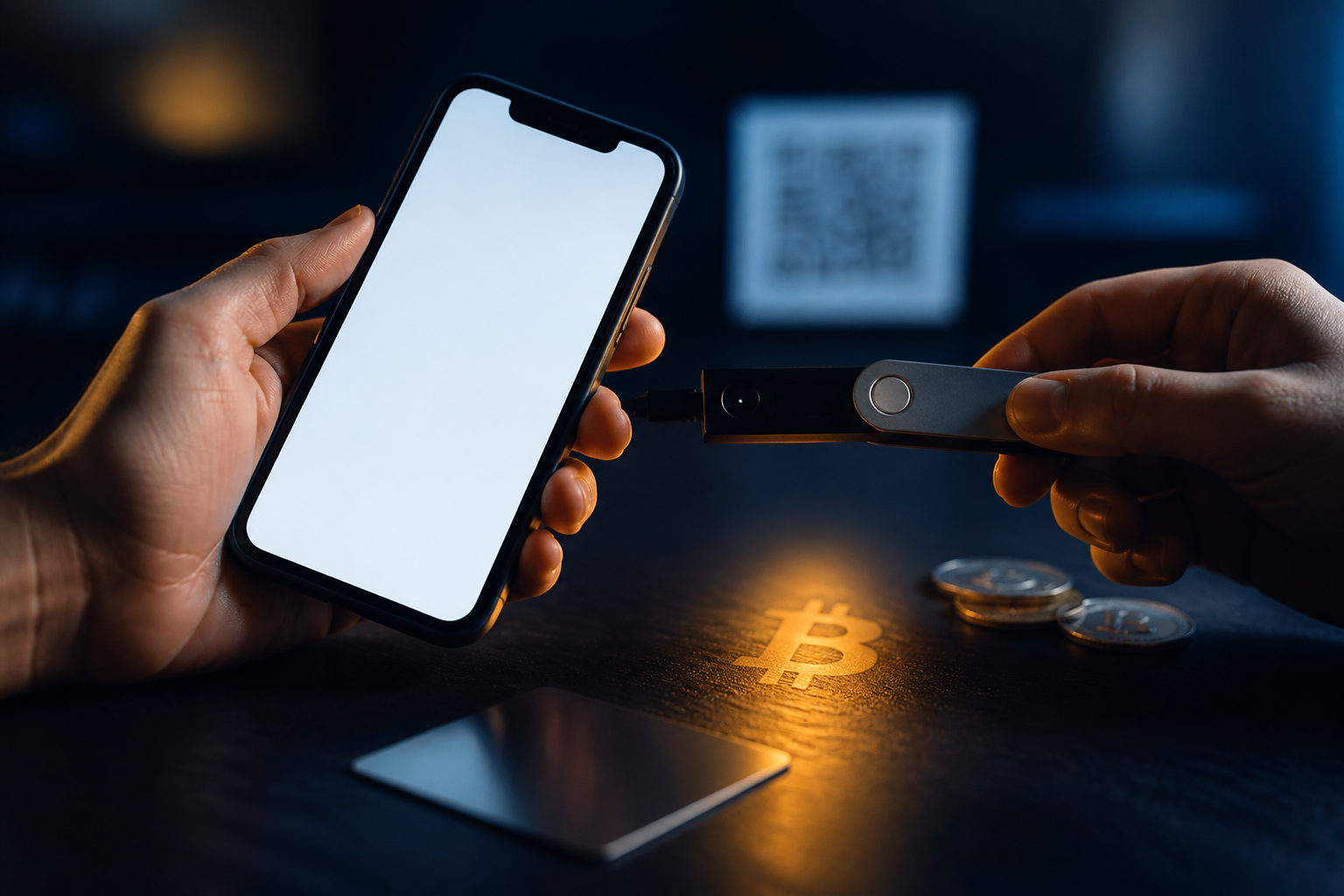
To withdraw using bitcoin on a site that supports BTC, first confirm the site rules and your account status, then use a wallet you control, verify the address carefully, send a small test if possible, and only then submit the full request.
Check whether bitcoin withdrawal fits your situation
Bitcoin withdrawal works best for users who already understand basic wallet handling. You should know how to receive BTC, where to view incoming transactions, and how to protect your recovery phrase or private keys before you move any funds.
Many problems start before the withdrawal request is even submitted. A user may skip account verification, misunderstand the site's payout process, paste the wrong address, or send funds to a destination they do not fully control. A few minutes of preparation can prevent the kind of mistake that is hard to fix later.
| Pre-check | Why it matters | Common risk |
|---|---|---|
| Account status | Helps avoid delays caused by incomplete verification | Missing a required security step |
| Withdrawal rules | Each site handles reviews and confirmations differently | Submitting without reading the process |
| Receiving wallet | Confirms that you control the destination | Using an address you do not fully manage |
| Asset and network | Reduces the chance of mixing up BTC with something else | Sending to the wrong type of address |
| Next step after receipt | Clarifies whether you plan to hold or convert later | Rushing into a second action after receipt |
Step 1: Read the site's withdrawal instructions and secure your account
Open the cashier, payout, or withdrawal section and read the on-screen instructions before entering any details. You need to confirm whether the site actually supports bitcoin withdrawals, whether identity or security checks must be completed first, and whether an email or text confirmation is required after submission.
This matters because a withdrawal request often has more than one stage. Some users think the process ends when they click submit, then later discover that the request is still waiting for a confirmation step they never finished.
Security deserves equal attention. Your account password should be unique, and the email tied to the account should also have strong protection. If anyone claiming to be support asks for a one-time code, recovery phrase, private key, or remote access to your device, stop there. A real withdrawal process does not require you to hand over control of your wallet.
Step 2: Prepare a bitcoin wallet that you control
Before you request a BTC withdrawal, set up a receiving wallet that you manage directly. This can be a software wallet or a hardware wallet. The key point is ownership: you should control access, backups, and recovery information yourself.
Once the wallet is ready, generate a bitcoin receiving address from inside the wallet app or device. Copy the address instead of typing it by hand. Manual entry raises the chance of a small error, and with bitcoin, a small address error can become a large problem.
After copying the address, verify the first and last characters before you use it. This extra check helps catch clipboard replacement malware and simple copy mistakes. If this is your first time using the wallet, make sure you also know where to see the incoming transaction history after the withdrawal is sent.
| Receiving option | Best for | Benefit | Caution |
|---|---|---|---|
| Self-custody software wallet | Regular BTC users | Flexible and easy to access | You must protect the recovery phrase |
| Hardware wallet | Longer-term holders | Stronger separation from online threats | Setup and backup must be done carefully |
| Exchange deposit address | Users planning to convert after receipt | Convenient for later trading | Platform rules and account checks can affect access |
Step 3: Enter the withdrawal details slowly and verify each field
When you reach the form, you will usually enter a BTC address and a withdrawal amount, then complete a security check. This is the point where speed becomes a liability. Pause and verify the destination address, confirm that the asset shown is bitcoin, and make sure you are logged into the correct account before you proceed.
The reason is simple: bitcoin transactions are difficult to reverse once sent. If funds go to the wrong address, support may have little or nothing they can do. For most users, the best protection is not a later complaint but a careful review before submission.
Keep a clean record of the request as well. A screenshot of the confirmation page, the request time, and any reference number can help if you need to contact official support later. At the same time, do not share full screenshots publicly if they expose sensitive data. Mask codes, account details, and anything that could help a scammer impersonate you.
Step 4: Send a small test first if the site allows it
If the site permits separate requests, start with a small test withdrawal. The purpose of that test is practical: it verifies that the wallet can receive BTC, that the address is correct, and that you understand how the site shows status updates and how your wallet displays incoming activity.
This is especially useful when you are withdrawing from a site for the first time, using a new wallet, or operating from a new device. A small test gives you a controlled way to catch process errors before the main transfer is involved.
Do not treat a successful test as permission to skip later checks. When you submit the larger withdrawal, verify the destination again. Also, if the request remains pending, avoid sending repeated duplicate requests right away. That can make your own records harder to track and may complicate the support process if something goes wrong.
| Stage | Action | Main goal | What users miss |
|---|---|---|---|
| Before the test | Confirm the wallet address is ready | Remove wallet-side uncertainty | Failing to recheck the pasted address |
| During the test | Submit a small request and complete all checks | Learn the site's process | Not saving a record of the request |
| After the test | Review both site history and wallet activity | Confirm the path is working | Looking only at the site dashboard |
| Full withdrawal | Reverify and then submit | Lower the risk of a larger mistake | Reusing an old address without checking it again |
Step 5: Track the request after submission and respond to problems safely
After you submit, follow the request in two places: the site's withdrawal history and your wallet's transaction view. The site history tells you whether the request is pending or processed. Your wallet helps confirm whether anything has been sent and whether an incoming transaction appears.
If the request seems stuck, first check your email, text messages, and account alerts for a missed confirmation step. If the site says the withdrawal was processed but your wallet shows nothing, verify that you are looking at the right wallet and that the address you entered matches the one generated by your wallet.
When you need help, use only the site's official support route. Do not trust strangers who promise to speed up a payout, recover missing BTC, or trace the transfer for you if they ask for codes, private keys, or remote access. Scams around crypto withdrawals often target users at the exact moment they are anxious and waiting.
FAQ
What should I set up before requesting a BTC payout?
Start with a wallet you control and make sure you know how to view the receiving address and incoming transactions. If you wait until the last minute to choose a destination, you are more likely to paste the wrong one.
Can I withdraw straight to an exchange BTC deposit address?
Some users do that when they plan to convert the funds soon after receipt. It can work, but exchange deposit addresses depend on platform rules and account checks, so a self-custody wallet is often easier for a first withdrawal.
Why is a small test withdrawal recommended?
Because it checks more than the address alone. It also shows whether you understand the site's confirmation flow, whether your wallet is receiving properly, and whether you can track the transfer without confusion.
If I entered the wrong bitcoin address, can I cancel the withdrawal?
If the request has not been processed yet, the answer depends on the site's internal process. Once the transfer has already been sent on-chain, your options are usually very limited, which is why address verification matters so much before submission.
Someone offered to help speed up my payout. Should I trust them?
No. Anyone asking for login codes, wallet recovery details, private keys, or remote access should be treated as high risk. The safe move is to gather your request record and contact the site's official support channel only.
The practical checklist is short: secure the account, prepare a wallet you control, verify the BTC address carefully, send a small test when possible, keep records, and handle any issue only through official support. Those steps do more to protect a withdrawal than any shortcut.
Disclaimer: This article is for informational and educational purposes only and is not investment, financial, or legal advice. Crypto assets are highly volatile and you could lose your entire investment. Do your own research and decide carefully.