
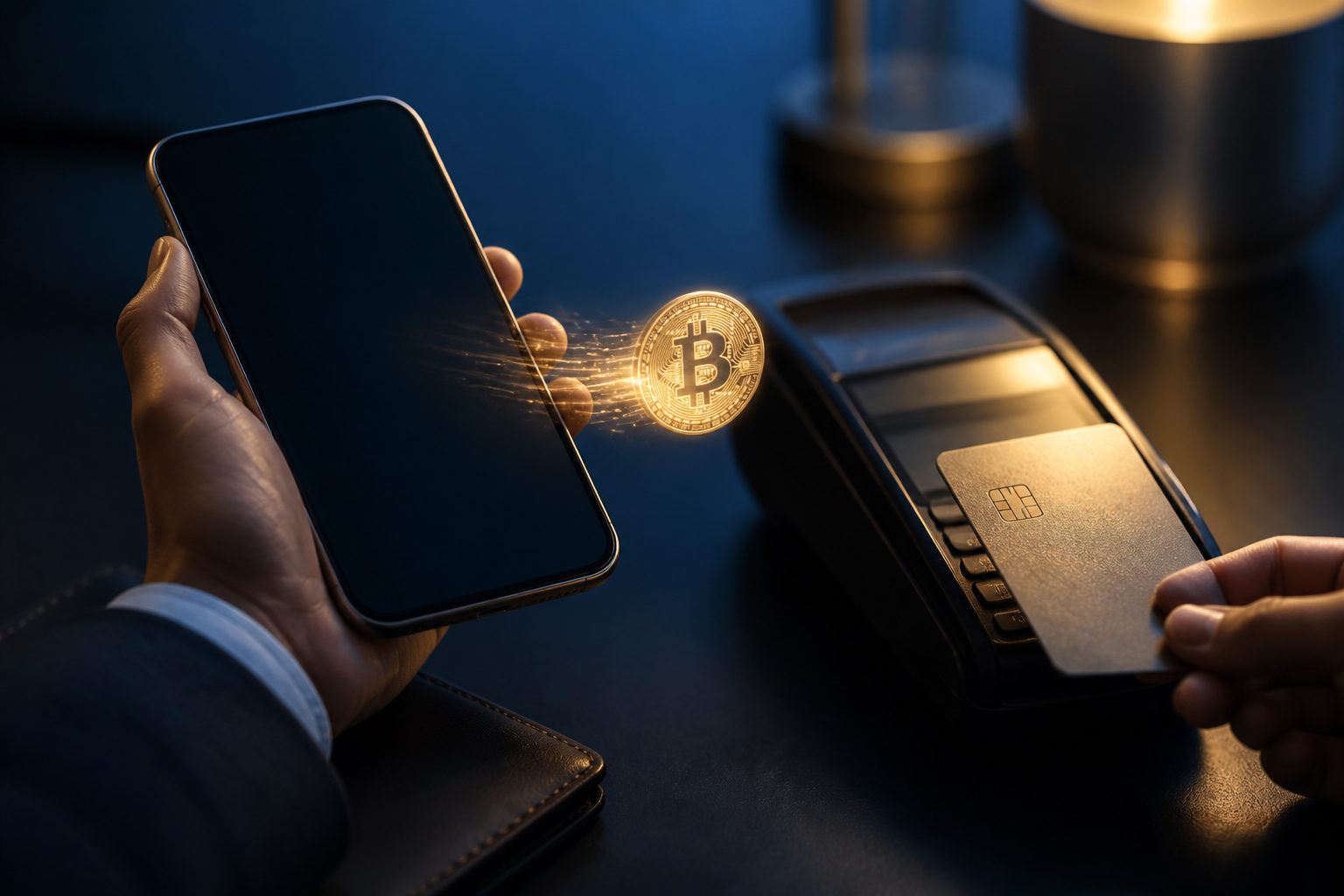
To take money out of bitcoin, you usually sell BTC first and then withdraw the dollar balance through a supported payout method. The real work is checking the route, matching your account details, and avoiding transfer mistakes before you hit send.
What “taking money out of bitcoin” actually means
People often say they want to cash out bitcoin, but there are usually two separate actions inside that phrase. First, you move or keep your BTC in a place where it can be sold. After that, you withdraw the dollars you received from the sale.
If your bitcoin is already sitting on a trading platform that supports spot selling, the process is shorter. Verify your identity, sell, request a dollar withdrawal, and wait for processing. If your BTC is in a self-custody wallet, one extra step matters a lot: the on-chain transfer into the selling venue. That is where expensive errors tend to happen.
| Stage | What you are doing | Main risk |
|---|---|---|
| Move BTC to a cash-out venue | Send bitcoin to an exchange or a buyer | Wrong address, wrong network, unreliable counterparty |
| Sell BTC | Convert bitcoin into a dollar balance | Slippage, stale limit order, weak quote |
| Withdraw dollars | Send funds to your payout method | Review delays, account limits, mismatched details |
Which cash-out method makes sense for you
There is no single best option for everyone. The cleanest route for one user can be a bad fit for another, especially if identity checks, payout options, or counterparty trust become an issue.
| Method | Best for | What it does well | What to watch |
|---|---|---|---|
| Sell on a centralized exchange and withdraw | Users who want one place for the whole process | Simple interface and a familiar flow | Platform rules and verification can slow withdrawals |
| Peer-to-peer sale | Users who want flexibility in offers and payment arrangements | More room to compare buyers | Higher fraud and dispute risk |
| Broker or OTC-style assistance | Users who want guided help instead of doing every step alone | Someone walks you through the process | You need to understand the fee structure and trust the provider |
If you want the most predictable path, a major exchange is often the first place people look. If you want more flexibility, peer-to-peer sales can work, but they demand better judgment from you. A small test run is often worth the time. It can expose account mismatches, payout restrictions, or review delays before you move a larger amount.
From wallet to dollars: the practical order of steps
This is where cashing out either feels easy or turns into a mess. Order matters. A lot.
Start by locating your BTC
If the coins are already on an exchange account, check whether that platform supports bitcoin sales and dollar withdrawals for your region and your account type. Some services let you trade, yet offer limited off-ramp options once you try to move dollars out.
If your BTC is in a self-custody wallet, get the deposit address from the platform you plan to use. Then check it carefully. Not casually. Bitcoin cash-out problems often begin before the sale itself, because the transfer into the platform was sent to the wrong place.
Handle identity checks and account security first
Most compliant platforms ask for identity verification before they let you withdraw dollars. Your name, identification details, and payout information should match. If those records do not line up, the sale may still go through while the withdrawal gets stuck in review.
Security matters here too. Turn on two-factor authentication. Make sure you still control the email and phone tied to the account. A surprising number of withdrawal disasters are really account-access problems in disguise.
Transfer BTC in, wait for confirmation, then sell
When sending bitcoin from a wallet to an exchange, copy the BTC deposit address directly from the platform. Check the first part. Check the last part. After sending, wait for network confirmation and avoid trying to “fix” the process by submitting more transfers in a panic.
Once the funds arrive, you usually choose between a market order and a limit order. A market order focuses on speed. A limit order gives you more control over the sale price, but it may sit there if the market does not reach your chosen level.
Request the dollar withdrawal
After the sale, you are looking at a dollar balance on the platform. That is not the same thing as money already in your outside account. You still need to enter the payout details, confirm the withdrawal method, and wait for both the platform and the receiving side to process it.
Keep the order number, confirmation emails, and screenshots of the request. Especially on a first withdrawal. If the transfer gets delayed, reviewed, or returned, those records make support conversations much easier.
| Step | Key action | If you get it wrong |
|---|---|---|
| Confirm the cash-out venue | Check support for BTC sales and dollar withdrawals | Your bitcoin arrives, but you cannot complete the off-ramp |
| Verify the deposit address | Make sure it is a BTC address and copied correctly | Funds may be lost or hard to recover |
| Pick the order type | Choose between speed and price control | Slow execution or an unsatisfying fill |
| Review payout details | Match your identity and account information | Withdrawal review or rejection |
Fees, timing, and the mistakes people regret
Taking money out of bitcoin rarely involves just one cost. You may face an on-chain transfer fee, a trading fee, a spread between the buy and sell side, and a fee on the dollar withdrawal itself. A platform can advertise low trading fees and still leave you with a worse final result if the quote is poor or the payout charge is high.
Timing is not one thing either. You wait for bitcoin network confirmations, the exchange to credit the deposit, the sale to execute, the withdrawal request to pass review, and the payout channel to finish processing. Any one of those steps can slow the whole chain.
| Common problem | How it shows up | Safer move |
|---|---|---|
| Copied the address incorrectly | Funds do not arrive where expected | Run a small test transfer first |
| Used the wrong network or asset route | The platform does not recognize the deposit | Only use the exact deposit method the platform states |
| Tried a large withdrawal first | Extra review and more questions | Learn the rules and keep records of fund origin |
| Focused only on headline fees | Net dollars received feel lower than expected | Compare execution price, spread, and payout cost together |
| Sold privately to a stranger | Payment disputes, reversals, or delayed release | Use channels with escrow and dispute handling when possible |
One issue people overlook is proof of source of funds. If a platform or payout provider asks where the money came from, you may need to explain how you obtained the BTC, where it was held, and how it moved into the sale. If you keep no records, that question becomes much harder to answer at the worst possible moment.
FAQ
Can I withdraw bitcoin straight to my bank account?
Usually no. In most cases, you sell BTC first and then withdraw the dollar balance through a supported payout method. The key question is not whether bitcoin can go directly to the account, but whether your platform supports the dollar withdrawal route you need.
Do I always need an exchange to cash out BTC?
You usually need some venue that lets you sell bitcoin and move out dollars. An exchange is the most common choice, though peer-to-peer sales are another route. The structure changes, but the basic idea stays the same: the BTC has to be sold to someone.
Why did my sale complete but my money still has not arrived?
A completed sale means your bitcoin was converted into a dollar balance inside the platform. It does not mean the dollars have already landed in your outside account. There is still a withdrawal request, a review stage, and the receiving side's own processing time.
Why do platforms ask for identity verification before withdrawal?
Dollar withdrawals usually come with compliance checks, so platforms want to confirm who owns the account and whether the activity matches the profile. Getting those details right early can save a lot of frustration later.
What is the biggest risk when cashing out from a self-custody wallet?
The biggest risk is sending BTC to the wrong address or through the wrong deposit route. After that, another common problem is rushing because the transfer does not show up instantly. Slow down, verify the details, and test with a small amount first.
How do I know whether I got a fair cash-out result?
Do not look at one fee in isolation. The sale price, the spread, the trading fee, and the dollar withdrawal cost all affect what you actually receive. What matters is the final net amount, not the cheapest-looking line item on the screen.
Before you cash out bitcoin, confirm that your platform supports dollar withdrawals, your payout details match your identity, and your BTC deposit address is correct. Then start with a small test. That simple sequence catches a lot of expensive mistakes.