
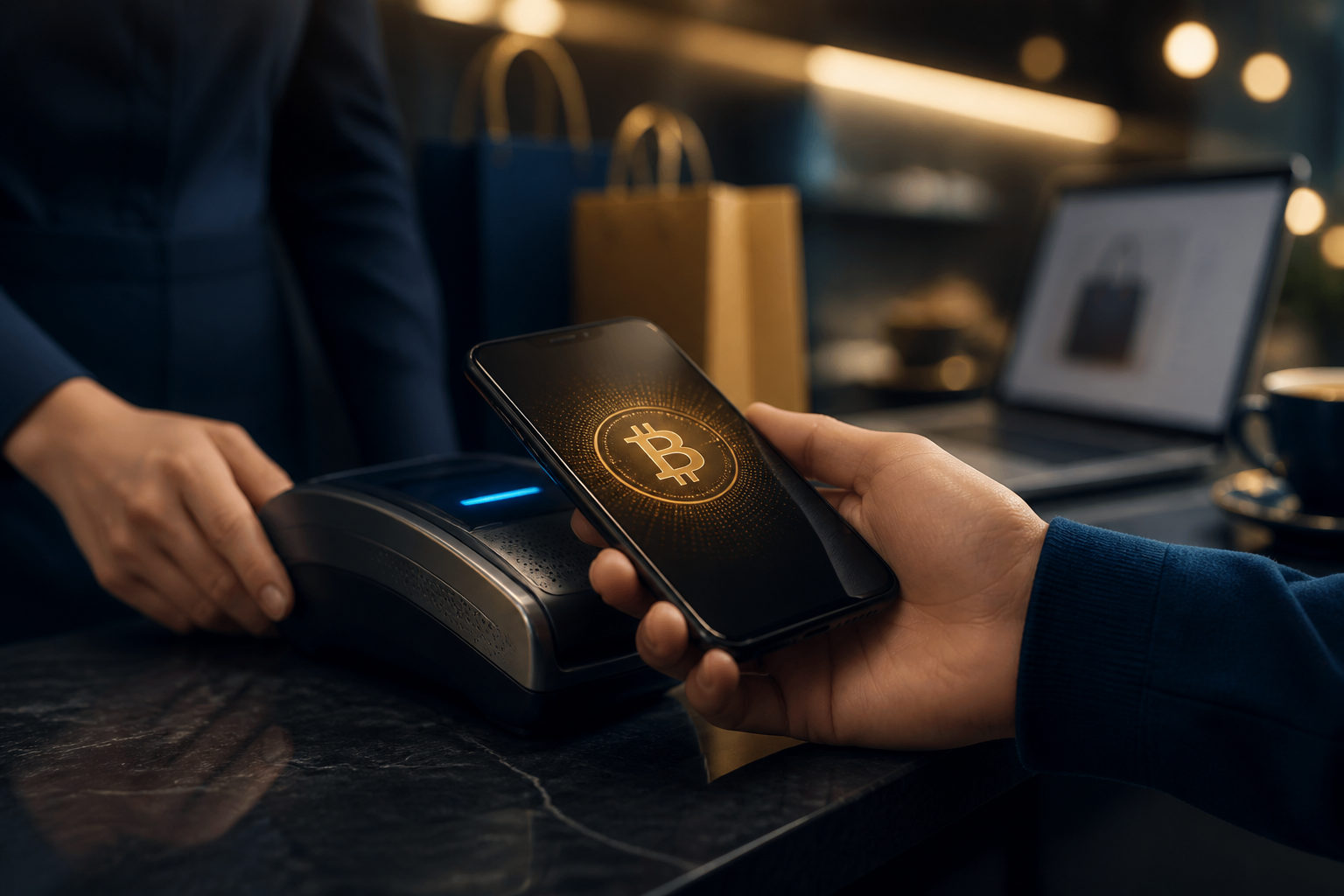
You can spend bitcoin on some online stores, in certain in-person shops, through gift card purchases, and for direct service payments. The real question is not just where to spend bitcoin, but how to confirm that a merchant truly accepts BTC and how to pay without sending funds to the wrong place.
Common places where bitcoin is spent
If you are looking for where to spend bitcoin, a simple merchant list is rarely enough. Payment options change, checkout flows get updated, and some sellers only accept BTC in a limited part of their ordering process.
In practice, bitcoin spending usually falls into a few broad categories: online shopping, in-store purchases, gift cards, and person-to-person service payments. A merchant may say it accepts crypto, yet that does not always mean it takes bitcoin directly at checkout.
- Online shopping: Often the easiest place to see a full payment flow before you commit.
- Physical stores: Some shops use QR codes or payment terminals, though staff familiarity can vary.
- Gift cards: Many users buy gift cards with bitcoin and then spend those cards in regular retail settings.
- Service payments: Freelancers and small teams may accept BTC for design, development, consulting, or content work.
So, where can you spend bitcoin in real life? In more places than many beginners expect, but rarely in a universal, card-like way. Each payment needs its own quick check before you approve it.
Step-by-step checks before paying
Most bitcoin payment mistakes happen before the transaction is sent. People rush, trust the first QR code they see, or assume that every crypto checkout works the same way.
A fixed routine helps. It lowers the chance of sending BTC to the wrong address, choosing the wrong payment path, or getting trapped by a fake support message.
Step one: confirm that the merchant really accepts bitcoin
Do not rely on a homepage badge alone. Open the checkout page, payment instructions, or help section and verify that BTC is listed in a clear way.
The reason is simple: some merchants advertise crypto support in general terms, while the actual order page only supports selected assets or limited product categories. If the payment details are vague, pause before doing anything else.
Watch for whether the page says BTC or Bitcoin clearly. If it only says “crypto accepted” without details, you still do not know enough to pay safely.
Step two: check the payment method and your wallet
Look closely at what the merchant provides: an address, a QR code, or a specific payment screen. Then make sure your wallet matches that format and that you understand what you are sending.
This matters because many users keep several assets in one wallet app. A crowded interface can make it easy to pick the wrong asset or misread the payment request.
If the merchant instructions are unclear, ask first. If the answer stays unclear, walk away. A clean payment process is often a better signal than a flashy brand page.
Step three: use a small test payment when appropriate
If this is your first time paying a merchant or service provider, a small test can reduce risk. It helps confirm that the address works, the merchant can detect incoming funds, and the order flow is functioning as described.
There is one important caution: not every seller supports split payments. Before sending a test amount, ask whether the system can handle more than one incoming transaction for the same order.
Without that check, your test could create confusion instead of safety. A cautious move only helps when the merchant can process it properly.
Step four: save order details and transaction records
After payment, keep the order number, the receiving address, the wallet record, and any merchant communication. These records matter if the seller claims no payment arrived or if the order is delayed.
Do not save just one “payment sent” screenshot. Keep enough detail so that you can match the order to the transaction later.
Why bitcoin spending goes wrong so often
Bitcoin itself is not the hard part. Trouble usually starts when users assume that a crypto payment page is legitimate just because it looks polished.
Another common mistake is trusting social media proof. A screenshot showing that someone else paid successfully does not confirm that the same merchant still accepts BTC today, or that the posted payment route is still valid.
The highest-risk situations often involve pressure. If someone tells you to ignore the checkout page, switch to a chat app, or use a “new address” sent by private message, treat that as a warning sign.
- Fake support: A message claiming that the original address failed may be part of a scam.
- Fake QR codes: Forwarded images and edited screenshots should not be trusted without verification.
- Refund confusion: Some merchants do not return funds through the same route automatically.
- Fee blindness: If you do not check the total cost before paying, the purchase may feel far less efficient than expected.
If you want a practical answer to where can I spend bitcoin safely, the best answer is this: spend it where the merchant explains the process clearly, keeps payment rules visible, and gives you enough information to verify every step on your own.
How to choose the right spending route by use case
You do not need one method for every purchase. Different spending goals call for different levels of caution and different payment habits.
For online shopping
Start by checking whether the checkout page has a clear bitcoin option and whether the order remains active while you complete payment. This helps because online systems are often easier to verify than an improvised chat-based sale.
Do not refresh repeatedly while paying. If a timeout message appears, contact the merchant and confirm the order status before sending another transaction.
For in-person purchases
Ask the staff to prepare the payment screen before you open your wallet and scan. In a busy shop, rushed payments create more room for wrong amounts, wrong codes, and poor verification.
Check whether the QR code was generated for your purchase or whether it is a static code displayed at the counter. If the amount must be entered manually, slow down and review it once more.
For gift card purchases
Gift cards are often used by people who want to turn bitcoin into broader spending access without relying on direct BTC acceptance at every store. The chain transaction happens at the gift card stage, and the later purchase looks more familiar.
Read the card terms carefully. Redemption limits, region restrictions, and replacement policies matter more than many buyers expect.
For paying individuals or freelancers
When paying a person rather than a formal store, define the scope of work, delivery terms, and payment timing in writing first. Person-to-person deals depend heavily on clear expectations.
For a first transaction, staged payments are often safer than paying in full upfront. A discount is not a good reason to give up basic caution.
FAQ
Where can I spend bitcoin as a beginner?
Beginners usually do better with structured online checkouts than with informal direct deals. Clear order pages and visible payment instructions make mistakes easier to prevent.
Can I spend bitcoin in physical stores?
Yes, some stores accept it through QR code payments or related systems. The key is to confirm the payment process before scanning anything at the counter.
Can I get a refund after paying with bitcoin?
Maybe, but that depends on the merchant policy rather than bitcoin alone. Ask how refunds are handled before paying, especially if the item is digital or custom.
Why does a store say it accepts crypto but not bitcoin?
Because “crypto accepted” is a broad claim. The merchant may only support certain assets, selected products, or a limited checkout method.
What is the biggest scam risk when spending bitcoin?
One of the biggest risks is being pushed to use a replacement address sent through private chat. If someone tries to move you away from the official checkout flow, stop and verify everything again.
Before any bitcoin purchase, check the merchant rules, confirm the payment details, and save your records. If the process feels rushed or unclear, waiting is usually safer than paying.
Disclaimer: This article is for informational and educational purposes only and is not investment, financial, or legal advice. Crypto assets are highly volatile and you could lose your entire investment. Do your own research and decide carefully.