
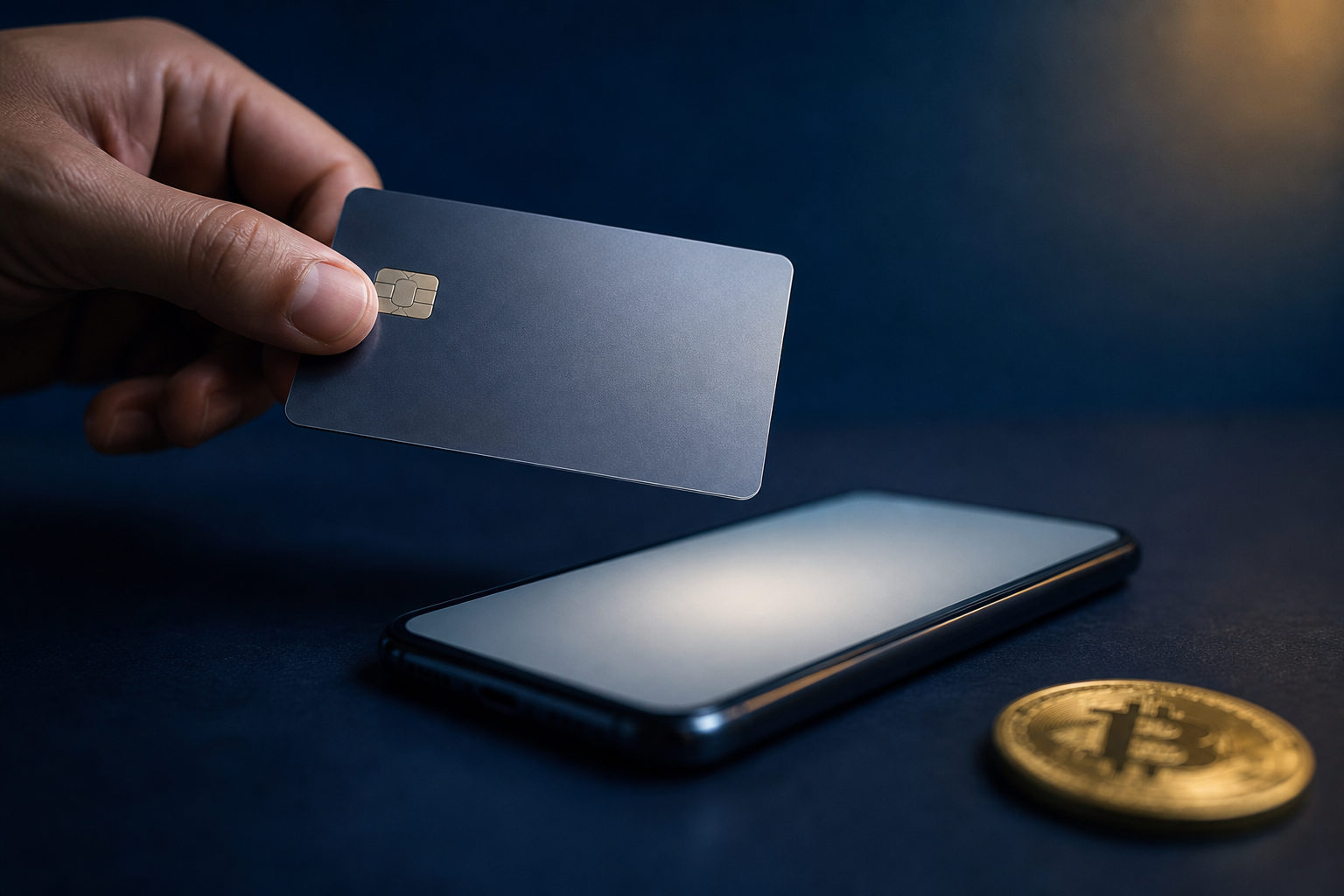
Can I buy bitcoin with a Visa gift card? Yes, sometimes, but it is usually one of the harder ways to do it. The main obstacles are card restrictions, merchant payment rules, identity checks, and a higher risk of fraud.
Why it can work but still fails so often
A Visa gift card is a prepaid card. In some payment flows, a seller may process it like a regular card, which means a bitcoin purchase can go through. That said, many crypto-related services treat prepaid cards with extra caution, even when they accept standard Visa cards.
The reason is simple. Gift cards can be harder to verify, billing details may be missing, and payment disputes are more common. From the seller's side, that raises risk; from the buyer's side, it creates more chances to run into fake support, fake exchangers, or confusing payment traps.
Step by step: how to check whether your Visa gift card can be used
Step one: confirm that the gift card works for online payments
Start by reading the card terms. Check whether the card supports online purchases, whether it must be activated first, and whether you can register a billing address. This matters because many failed bitcoin purchases are really just card setup problems.
Do not assume that a Visa logo means universal acceptance. Some gift cards work only in certain regions, while others block specific merchant categories. If the issuer allows you to add your name and billing address, do that before trying to pay.
Step two: verify that the seller accepts prepaid or gift cards
Before entering any card details, read the payment policy, support pages, and terms for card use. Some services say they accept Visa, but they mean only debit cards or credit cards issued in your own name. A gift card may fall outside those rules.
This step helps for a practical reason. If a merchant does not clearly state that prepaid cards are allowed, there is a real chance the transaction will be declined or held for review. In some cases, the card balance can also be tied up by an authorization hold, which makes the next attempt harder.
Step three: review identity checks before you proceed
Look at the verification requirements before you try to buy. A service may ask for an ID document, a selfie check, or extra information about the payment method. Many compliant bitcoin sellers apply tighter checks when a buyer uses a payment option that carries more fraud risk.
If you are not willing to complete basic verification, this route may not be a good fit. On the other hand, if a service claims that you can buy bitcoin instantly with a gift card and no checks at all, treat that as a warning sign rather than a benefit.
Step four: make a small test purchase first
If the card appears eligible and the seller's rules look clear, start with a small test. Watch how the charge is handled, how long the review takes, whether the fees are explained, and whether the bitcoin can actually be withdrawn after the purchase.
There is a practical reason for doing this. Gift card payments fail more often than standard card payments, and a small test reduces the cost of mistakes. It also gives you a chance to see whether the seller has a real process or just a polished payment page.
Step five: move the bitcoin to a wallet you control
Once the purchase is complete, avoid leaving the coins sitting with the seller for too long. A wallet that you control gives you better control over access and backups. Payment success does not always mean the account will stay unrestricted after the fact.
Before sending anything out, double-check the address and the receiving setup. Bitcoin transfers do not work like card reversals. If you send funds to the wrong address or copy details from a fake page, recovery may not be possible.
Where people usually get stuck
One common problem is missing billing information. A prepaid Visa gift card may not have a registered name or address, and that alone can cause a payment failure. Another issue is that a seller may accept Visa cards in general while rejecting prepaid cards through its risk system.
There is also a more dangerous pattern. A site asks for your gift card details first, then claims there is a review delay, a payment gap, or a processing problem, and asks for another card or another payment. That is often not a normal bitcoin purchase flow at all. It is a pressure tactic.
Scam prevention matters more than the payment method
- Do not send gift card numbers or security details to strangers. Once those details are exposed, the balance can disappear fast.
- Be careful when someone pushes the conversation off-platform. Moving to private chat often removes what little protection you had.
- Do not trust private promises of "card first, bitcoin later." Gift cards are a favorite tool in payment scams.
- Read the fee structure closely. If fees, spreads, or processing costs are vague, the amount of bitcoin you receive may be much lower than expected.
- Keep records. Save payment screenshots, balance changes, order references, and support replies in case you need to dispute an issue.
There is another point people miss. If the gift card itself came from a questionable source, extra review or account restrictions should not come as a surprise. The more complicated the payment path becomes, the harder it can be to explain the transaction later.
If this method does not work, think about the goal
If your real goal is to hold bitcoin, ask yourself whether using a Visa gift card is actually necessary. Many buyers focus on convenience at the start, then end up dealing with more friction, more failed attempts, and more fraud exposure than they expected.
In most cases, a payment method tied to your own identity, with clear billing information and straightforward terms, gives you a smoother path. A Visa gift card can be a backup option, but it rarely makes sense as the default choice if safety and reliability matter to you.
FAQ
Can you buy bitcoin with a Visa gift card every time?
No. Success depends on the card issuer's rules, whether the seller accepts prepaid cards, and whether your identity checks clear. Any one of those points can stop the transaction.
Why does a site say it accepts Visa but reject my gift card?
Many sites use "Visa accepted" to mean ordinary debit or credit cards, not prepaid gift cards. Missing billing details or merchant-category restrictions can also cause a decline.
Is buying bitcoin with a Visa gift card riskier than using a regular card?
Usually, yes. Gift card details are easy to misuse, and many scams are built around them. That does not make every offer fake, but it does mean you should slow down and verify each step.
Should I leave my bitcoin with the seller after buying?
That is usually not the best long-term move. If you plan to keep the asset, a wallet you control gives you more direct control over access, backups, and future transfers.
How should I check the live bitcoin price before buying?
Use a major market data site or a large trading service to compare the live quote and the final buy price. Focus on the spread, the fee display, and the withdrawal rules, not just the headline number.
Before you pay, review the card terms, verification rules, fees, and withdrawal process from start to finish. If any part stays vague, stop there and do not hand over the gift card details.
Disclaimer: This article is for informational and educational purposes only and is not investment, financial, or legal advice. Crypto assets are highly volatile and you could lose your entire investment. Do your own research and decide carefully.