
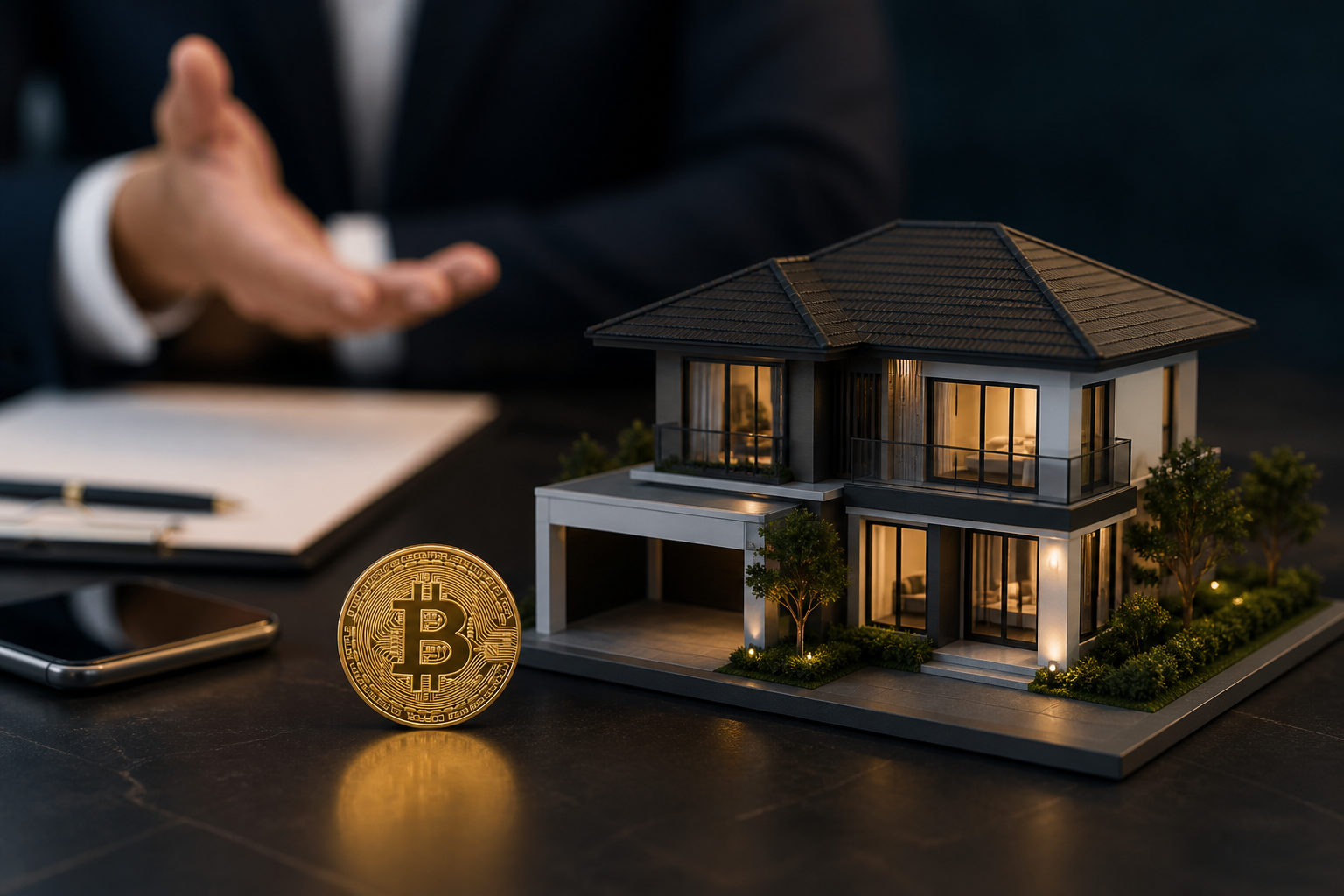
Yes, you can buy a house with bitcoin, but only if the seller accepts it and the closing process is built around that choice. The real issue is not whether BTC can move value, but whether the contract, title transfer, compliance checks, and payment timing all line up.
What decides whether a home purchase with bitcoin will work
Buying property is very different from paying for a service or a retail item. A home sale usually involves written terms, identity checks, title review, closing conditions, and proof that funds came from a legitimate source.
In practice, there are two main paths. One is a direct bitcoin payment, where the seller agrees to receive BTC. The other is an indirect route, where the buyer converts bitcoin into dollars before closing and then completes the purchase through a standard property settlement process.
The second path is often easier because many real estate systems are built around bank transfers and conventional records. The first path can work too, though it needs tighter planning and clearer paperwork.
Step by step: how to buy a house with bitcoin
Step 1: Confirm what the seller really means by accepting bitcoin
Start by getting a clear written answer from the seller, developer, or agent. Do they want to receive BTC directly, or are they only willing to move forward if you convert it into dollars before funds are due?
This matters because the rest of the transaction depends on that answer. A vague statement such as “crypto is fine” is not enough when you are dealing with a property contract and a large payment.
Step 2: Have a property lawyer review the payment terms early
Ask a lawyer with digital asset awareness to review the draft contract before you commit. The payment clause should spell out how value is measured, when payment is deemed complete, what happens if the network is congested, and how a dispute would be handled.
Without that detail, a price swing or delayed transfer can turn into an argument at closing. Clear language protects both sides and reduces the chance of a last-minute collapse.
Step 3: Prepare source-of-funds records before anyone asks
Gather exchange statements, wallet records, purchase history, identity documents, and any other records that help explain where your bitcoin came from. Property transactions often trigger a higher level of due diligence than routine crypto activity.
If your BTC moved through several wallets over time, organize that trail in advance. When records are incomplete or confusing, the deal can stall even if both sides still want to proceed.
Step 4: Verify the receiving address with extreme care
Before any major transfer, confirm the wallet address through more than one communication channel. If possible, run a small test payment first so both sides can confirm the correct network, the correct address, and the expected receipt process.
This step is basic, yet it prevents one of the most expensive mistakes in crypto. A property buyer does not get a second chance if funds go to the wrong address.
Step 5: Use escrow or staged closing if available
A home purchase should not depend on trust alone. If the transaction structure allows it, use a lawyer, regulated escrow party, or another qualified closing professional so the payment and title documents move together under agreed conditions.
This reduces the risk of paying first and then waiting on the deed, or signing documents while the funds are still in question. For a high-value asset, controlled release matters more than speed.
Step 6: Finish the paper trail after payment is sent
Sending BTC is only one part of the deal. You still need to confirm title transfer, closing documents, tax reporting where required, and a complete archive of the transaction records.
Keep copies of contract versions, written confirmations, wallet addresses, transaction hashes, and any notes from legal or closing professionals. If a dispute appears later, those records can be far more important than memory.
Why many bitcoin home purchases still end in dollar settlement
Some sellers like the idea of accepting bitcoin, but do not want to hold it. Others are open to crypto buyers but want the purchase price fixed in dollars at closing, with no exposure to BTC volatility during the final stage.
That is why many so-called bitcoin property deals are really crypto-funded purchases rather than direct BTC settlements. The buyer uses bitcoin as the source of funds, then converts it before the final transfer of ownership.
There is nothing wrong with that structure. In many cases, it is the cleaner path because title agencies, lawyers, and tax professionals can fit it into familiar workflows.
The biggest danger is fraud, not the wallet app
Most people focus on technical steps, but the bigger threat is transaction fraud. Real estate scammers know that crypto transfers are hard to reverse, and they often use urgency to push buyers into skipping checks.
- Fake listings or fake sellers: The person offering the property cannot prove ownership, yet asks for a deposit in BTC.
- Address substitution: A hacked email inbox or messaging account is used to replace the real wallet address with a fraudulent one.
- Fake escrow services: The buyer is sent to a polished-looking third party that has no real authority or independent oversight.
- Last-minute term changes: The seller first agrees to bitcoin, then demands a new payment structure when the buyer is already committed.
- Payment without synchronized closing: Funds are sent, but title transfer does not happen when expected.
The best defense is to slow the process down. Verify identities, confirm ownership records, review every payment instruction, and refuse pressure tactics.
When buying a house with bitcoin may be a bad idea
If your records are messy, fix that first. A property deal is the wrong place to discover that your wallet history is hard to explain or that a closing party is uncomfortable with the source of funds.
You should also be cautious if the seller avoids formal contracts, refuses legal review, or wants direct payment before title conditions are clear. If the purchase also includes financing, shared ownership, or cross-border elements, the process can become even more sensitive.
FAQ
Can a home seller take BTC directly for the purchase price?
Yes, a seller can accept BTC directly if both sides agree and the closing documents support that structure. In many cases, though, the seller prefers a dollar amount to be delivered at closing.
How is the value of bitcoin handled in a property contract?
The contract should define the pricing method in plain terms. That usually means identifying the reference price source, the timing of conversion into dollars, and what happens if payment is delayed.
Do I need proof of where my bitcoin came from?
Often, yes. Because property purchases draw closer review, you may be asked for exchange records, wallet history, and identity documents that support your source of funds.
Is it safe to send bitcoin straight to the seller’s wallet?
It can be done, but it carries more risk if the closing process is not coordinated. For a property purchase, testing the address and using escrow-style controls is usually the safer option.
What if the seller says legal help is unnecessary?
That is a warning sign. Real estate deals involve title rights, payment obligations, and written conditions, so skipping legal review can leave the buyer exposed if anything goes wrong.
If you want to use bitcoin to buy a house, start with three tasks: confirm the seller’s payment terms in writing, organize your source-of-funds records, and have a qualified professional review the closing structure. Without those steps, even a willing seller may not be enough to get the deal done safely.
Disclaimer: This article is for informational and educational purposes only and is not investment, financial, or legal advice. Crypto assets are highly volatile and you could lose your entire investment. Do your own research and decide carefully.