
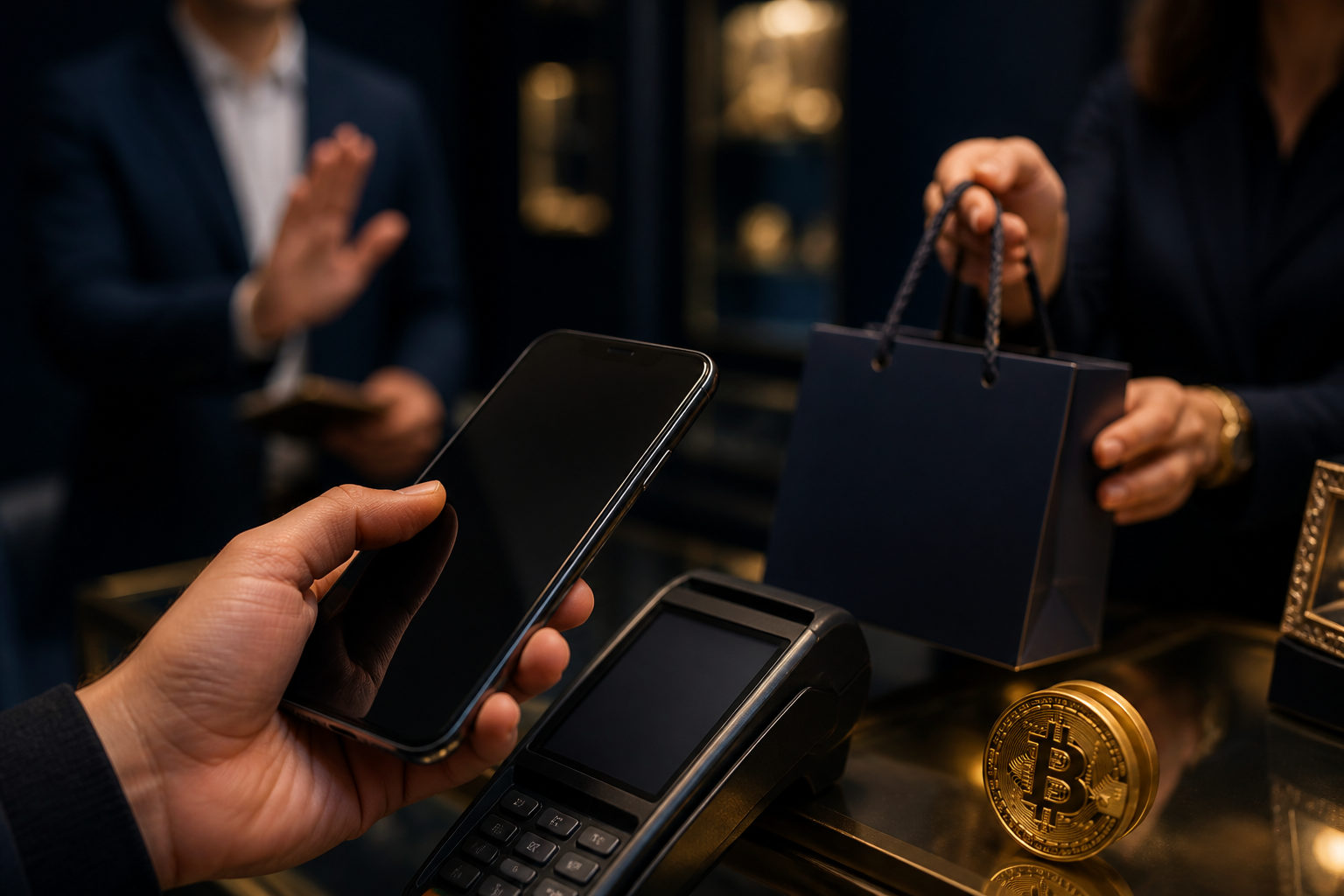
Yes, you can buy with bitcoins if the seller accepts BTC. The real question is whether you are paying through the right checkout flow, sending to the right address, and accepting the trade-offs around timing and refunds.
When bitcoin works as a payment method
Bitcoin can be used to pay for goods, digital services, and person-to-person transactions. It is just a transfer of value from your wallet to someone else who agrees to receive it.
That agreement matters. A store may accept cards and bank transfers but not bitcoin, while another may support crypto payments yet only show the BTC option at checkout. You cannot assume it is available until the payment screen says so.
- Direct merchant payment: the seller gives you a bitcoin address or QR code.
- Payment processor flow: the checkout page creates an order and tells you what to send.
- Personal payment: common in secondhand deals or freelance work, though trust matters more there.
Start with one blunt check: does the seller clearly accept bitcoin for this order?
How to use bitcoin to buy things, step by step
The mechanics are simple. People still get tripped up all the time, mostly because they rush the last part and treat address checks like a formality.
Check what the seller is actually asking you to send
Some sites say “crypto accepted” but do not mean BTC in every case. A checkout page might support several assets, or it may ask for bitcoin only through a specific payment path.
Why this comes first is obvious once you make one mistake: different assets are not interchangeable. If the order calls for BTC and you send something else, the merchant may not be able to match or recover that payment in a clean way.
Use a wallet you control well enough to review the details
Before paying, use a wallet where you can see the address, network information, transaction history, and fee prompt. You need enough visibility to verify what you are doing instead of pushing funds out from a screen that hides the fine print.
Exchange withdrawal pages sometimes work for payments, but not always smoothly. Delays, extra checks, or withdrawal rules can leave you stuck while the order timer keeps moving.
Review the amount, the address, and the order window
Most merchants show a payment address and often a QR code. Some orders also come with a countdown, which means the quoted amount or the order status may change if you wait too long.
This is where carelessness gets expensive. Copy the address, then look again at the first and last characters. If the merchant asks you to include order identification through the checkout flow, follow that instruction too; otherwise the payment may arrive without a clean link to your purchase.
Look at the network fee before you send
Bitcoin payments include an on-chain fee. That fee affects confirmation speed, and the speed can affect whether the merchant releases the item right away or waits.
Cheap purchase? Fees can matter more than people expect. Set the fee too low and the payment may take longer to confirm, which can create trouble for time-sensitive orders.
Save the transaction record after payment
Once you send the bitcoin, keep the transaction hash, order number, and payment time. If the merchant system does not recognize the payment automatically, that record gives support something concrete to review.
Do not send sensitive account details to random people claiming to help. Use the merchant's official support channel shown in the order process, not a direct message from an unknown profile.
Cases where bitcoin may be usable but still not ideal
A payment method can be valid and still be the wrong tool for a specific purchase. Bitcoin works better in some checkout situations than others.
| Purchase type | Fit | Main reason |
|---|---|---|
| Digital goods or online services | Often a better fit | Delivery is fast, and merchants can act once payment is recognized |
| In-person settlement | Depends | Both sides need to confirm amount and address on the spot |
| Orders with likely refunds | Often a weaker fit | Refund handling is usually less direct than card payments |
| Urgent purchases | Sometimes awkward | Confirmation timing and merchant release timing may not line up |
Refunds deserve a hard look before checkout. A bitcoin payment usually cannot be pulled back by the buyer after it is sent. If a seller agrees to refund you, that is generally a new outgoing payment from them, not a simple cancellation of the original transfer.
Scam prevention matters more than payment technique
Many losses happen before the blockchain part even starts. The victim gets pushed onto a fake checkout page, a fake support chat, or a substituted payment address. Then the coins are gone.
- Pay only through the seller's official checkout path. A payment link dropped into a chat thread deserves suspicion, not trust.
- Watch for address replacement. Malware can alter copied wallet addresses in your clipboard without making a scene.
- Be wary of “overpay first, refund later” claims. That pattern shows up in fraud far too often.
- Verify who support really is. Impersonation is common on social platforms and messaging apps.
- Stop if the order details shift unexpectedly. A changed amount, a new QR code, or a scrambled checkout screen should slow you down immediately.
People love the idea of a tiny test payment. Fair enough. It can show that an address receives funds, but it does not prove the seller is honest, and it does not remove the risk from the larger payment that may follow.
FAQ
Can I really use bitcoin to buy products online?
Yes, but only where the seller supports BTC payments. The deciding factor is merchant acceptance, not whether bitcoin exists as a payment technology.
Do I need to send a whole bitcoin to pay for something?
No. Bitcoin is divisible, and its smallest unit is the satoshi. One satoshi equals one hundred millionth of a BTC, so ordinary purchases usually involve only a small fraction of one coin.
Why has my order not been released after I paid?
The transaction may still be waiting for confirmation, or the merchant system may not have matched the payment to your order yet. Check the transaction record first, then contact official support with the order details you saved.
Can a bitcoin payment be canceled after I send it?
Usually not by the buyer alone. If a refund is approved, the seller normally sends a separate payment back to you, which is why the refund policy matters before checkout.
Does every site that accepts crypto also accept bitcoin?
No. Some sites support other assets, or only certain payment routes. Read the checkout request carefully rather than assuming every crypto option means BTC.
What to confirm right before you pay
Check four things in order: the merchant clearly accepts BTC, the address matches the QR code, the order has not expired, and the refund terms make sense to you. After that, send the payment once—carefully, not quickly.
Disclaimer: This article is for informational and educational purposes only and is not investment, financial, or legal advice. Crypto assets are highly volatile and you could lose your entire investment. Do your own research and decide carefully.