
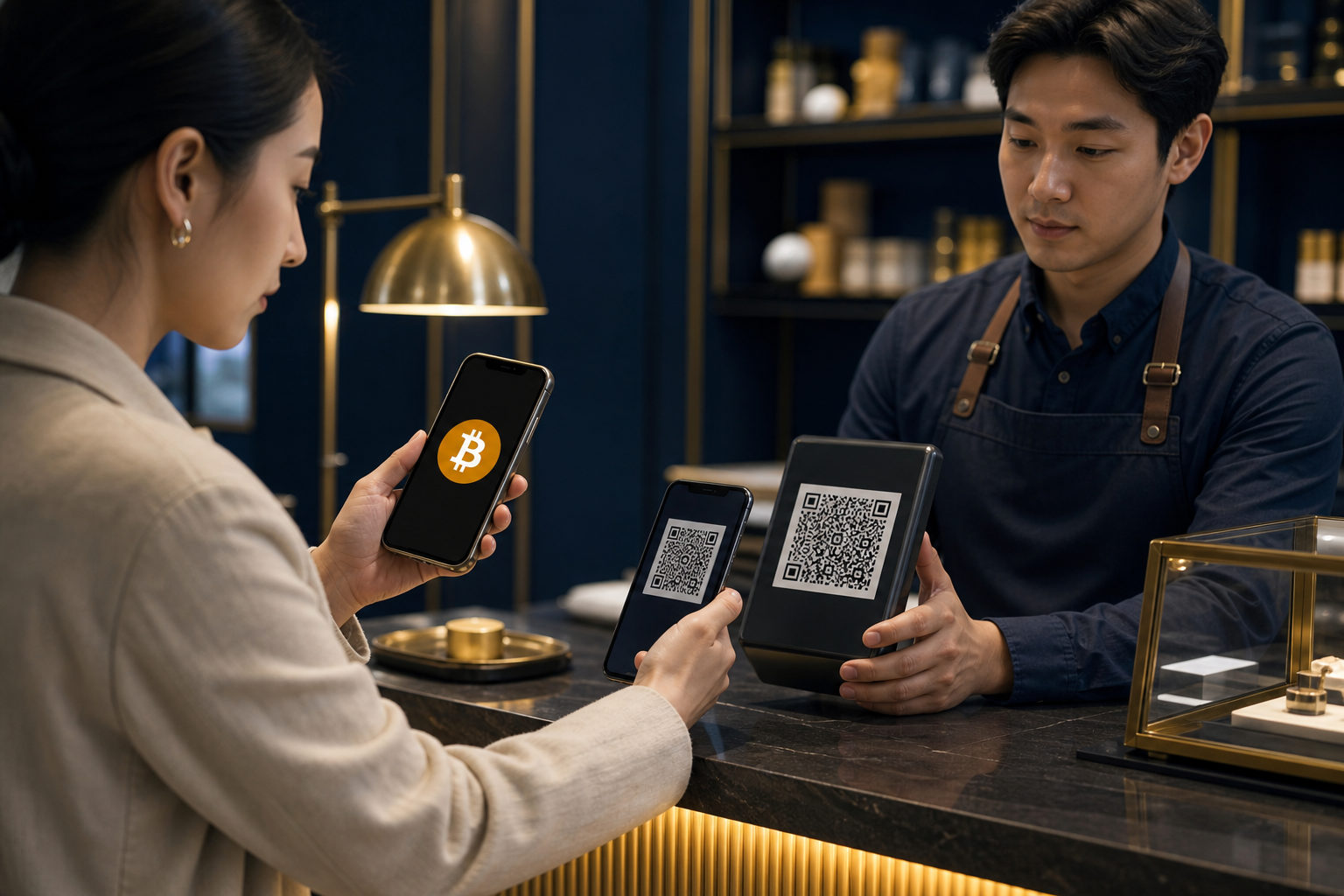
Yes, you can spend bitcoin if the merchant or recipient accepts BTC. The real question is not whether bitcoin can be used for payments, but how to spend it without sending funds to the wrong place or into a scam.
Bitcoin can be spent, but only when the other side accepts it
Bitcoin was introduced as peer-to-peer electronic cash, so using it for payment is fully consistent with its original purpose. In practice, though, acceptance is uneven. Some merchants take BTC directly, some use a payment processor, and many do not accept bitcoin at all.
That is why the first rule is simple: never assume a seller accepts bitcoin just because they mention crypto. A checkout page may support a stablecoin, a different coin, or a separate payment system. Before you send anything, confirm that the order specifically says Bitcoin or BTC.
This matters because a bitcoin transaction usually cannot be treated like a card payment dispute or a canceled app transfer. Once you authorize and broadcast the payment, your room to fix a mistake is often very limited. The safety work happens before you hit send.
How to spend bitcoin safely: a step-by-step process
Step 1: Confirm that the seller really accepts BTC
Start with the checkout page, invoice, or payment instructions. Look for a clear statement that the seller accepts bitcoin, not just a broad claim about digital assets. That distinction is important because payment confusion often starts with vague wording.
The reason for this step is straightforward. “Crypto accepted” does not tell you which asset is accepted, how payment is matched to the order, or whether the merchant expects an on-chain BTC payment at all. A direct BTC address, a QR code, or a dedicated invoice is much more useful than a casual support message.
Be careful with private messages. Scammers often pose as support staff and ask buyers to bypass the official payment page. If a person in chat sends a different payment address from the one shown on the formal order screen, stop there and verify through the official channel before doing anything else.
Step 2: Use a wallet that can clearly send bitcoin
You need a wallet or service that actually lets you send BTC and view the destination address, fee details, and transaction status. The operational reason is obvious: if your interface hides key details, you are more likely to approve a payment without understanding where it is going.
There is also a practical difference between a custodial account, an exchange balance, and a wallet you control directly. Some services are fine for holding or trading, but they may not be ideal when you need to complete a time-sensitive payment. A merchant may expect funds within a certain window, while your service may take longer to process a withdrawal.
Before you try to spend bitcoin, make sure you understand your own setup. Can you send BTC immediately? Can you view the full address before confirming? Can you save the transaction ID afterward? If any of those answers is unclear, solve that first rather than learning during checkout.
Step 3: Verify the address, amount, and payment instructions
Once the recipient provides a bitcoin address or QR code, check every visible detail. Confirm the destination address, the amount due, any reference note, and any payment deadline. This is the most important verification step because a wrong address can send funds somewhere that cannot be recovered.
The reason to be methodical here is that payment errors are often basic, not advanced. People copy the wrong address, scan a fake QR code, miss a note attached to the invoice, or send after the invoice has expired. None of those mistakes requires a technical attack. They happen because users rush.
There are a few habits that reduce risk. Do not type a long address by hand. Copy it or scan it. After copying, compare the first and last characters against the original. If your device has been compromised by clipboard malware, a pasted address can be swapped without your knowledge. The same caution applies to QR codes on suspicious pages.
If the seller gives specific instructions, follow them exactly. Do not switch to a different asset because it feels similar, and do not assume another network is “close enough.” A seller who can process one payment type may not be able to identify another.
Step 4: If the payment is meaningful, test with a small amount first
When the purchase matters to you, or when this is your first time paying that seller, sending a small test payment first is often a sensible move. The reason is not fear for its own sake. First-time payments carry the highest chance of simple setup mistakes, mismatched records, or address confusion.
A test payment gives you a chance to confirm that the recipient can see the funds and that the order system recognizes your payment path. If anything is off, the problem appears before the full amount is on the line.
One caution: ask the merchant whether split payments are acceptable. Some systems expect a single matching payment. If you decide on your own to send one test amount and one final amount, the merchant may need manual review to reconcile the order. That can slow things down or create unnecessary support issues.
Step 5: Save the transaction record and wait for confirmation
After you send the payment, save the transaction ID, order number, and a screenshot of the payment screen if available. The reason is simple. If the merchant says the payment has not appeared, your transaction record is the first thing you will need.
Do not assume that “sent” in your wallet means “fully received” by the seller’s system. A bitcoin payment can pass through several stages: local wallet approval, network broadcast, block inclusion, and merchant-side processing. Those are not always synchronized from the user’s point of view.
That is why you should avoid sending a second payment just because someone claims the first one is missing. Wait, verify, and use the transaction record. Panic is a common cause of duplicate payments.
Why spending bitcoin can feel harder than ordinary online payments
Bitcoin is usable for payments, but it does not behave like a standard app-based transfer where users expect instant reversals, password resets, and customer support interventions. The structure is different. If you make a mistake with the destination or amount, recovery options are usually narrower.
Merchant acceptance is another factor. One store may have a clean bitcoin checkout flow, while another may rely on informal instructions or manual confirmation. The same person can have one smooth purchase and one frustrating experience without any contradiction. The quality of the payment setup matters a lot.
Timing also affects user expectations. Bitcoin payments depend on network conditions and fee choices, so the experience may not match a familiar instant payment tool. If you go in expecting every BTC payment to settle like a card authorization, you can make poor decisions under pressure.
Common risks and scams when spending bitcoin
Fake support agents and fake payment pages
A classic scam starts with someone pretending to be support staff. They tell you the main checkout page has an issue and ask you to send BTC to a “special” address through chat. That removes the protection of the formal order flow and leaves you with very little proof about who you paid.
The safer rule is to get the payment address only from the official invoice or checkout screen. If the address in chat does not match the address on the formal payment page, do not pay until the discrepancy is resolved through the merchant’s public support process.
Clipboard hijacking and QR code substitution
Some malware watches your clipboard and swaps a copied bitcoin address for one controlled by an attacker. You think you pasted the merchant’s address, but you did not. A similar trick can happen with fake QR codes on phishing pages or in tampered images.
The defense is basic and effective. Compare the beginning and end of the address after pasting. If you scan a QR code, inspect the resulting address before approving the transaction. For larger payments, checking on a second trusted device is a sensible extra step.
Confusing “crypto accepted” with “bitcoin accepted”
Many payment failures are not chain failures. They are communication failures. A seller might accept one digital asset, one payment route, or one invoice format, and the buyer assumes bitcoin will work the same way. That mismatch can leave both sides claiming the other made the mistake.
Ask direct questions. Is BTC accepted? Is there a specific invoice? Does the merchant require an order reference? Is the address generated per order or static? Clear answers prevent losses better than broad assumptions.
Third-party “pay for you” offers
Another risk appears when someone offers to handle the payment on your behalf. They ask you to send bitcoin to them, then promise to pay the merchant and perhaps offer a discount or cashback. This adds an extra trust layer that often benefits the scammer, not the buyer.
As a rule, fewer intermediaries means fewer points of failure. If possible, pay the final recipient directly. Every extra hop makes disputes harder to untangle.
What to think about before you spend bitcoin
Are you spending, or are you moving part of a long-term holding?
For some people, BTC is not just a payment tool. It is part of a longer-term asset allocation. That does not mean you should never spend it. It does mean that you should know whether this payment is part of your normal spending plan or a transfer out of assets you intended to keep.
Separating spending funds from long-term holdings can make life easier. It reduces wallet confusion, lowers the chance of sending from the wrong balance, and makes your own record-keeping more manageable.
Can you handle the irreversible nature of the transaction?
Traditional payment users are used to chargebacks, reversals, and account-level intervention. Bitcoin is different. Once you authorize a payment and it is broadcast, your options usually narrow fast.
That does not make bitcoin unusable. It simply means your process must be stricter. If you are uncertain about the recipient, the amount, or the instructions, pause. A delayed payment is annoying. A mistaken payment can be much worse.
Does the seller have a clear refund policy?
A merchant can accept bitcoin and still have a refund process that surprises you. Refunds may be manual, delayed, or subject to internal review. Some merchants may set specific terms for digital-asset payments.
Read those terms before paying, especially for bookings, subscriptions, digital services, and cross-border purchases. Refund confusion is easier to prevent than to fix.
FAQ
Can I actually buy things with bitcoin today?
Yes, if the seller clearly accepts BTC. The key issue is not technical possibility but whether the merchant has a clear and verifiable bitcoin payment process.
Check the formal order page before sending funds. A private message is not a substitute for proper payment instructions.
Is spending bitcoin anonymous?
Not completely. A bitcoin address is not the same as a real name, but transactions are recorded on a public blockchain. If an address becomes linked to your identity, outside observers may trace related activity.
So the better mindset is to focus on safe handling and privacy habits, not on the idea of total invisibility.
Can a bitcoin payment be canceled after I send it?
It depends on the stage of the transaction. If a payment has not truly been broadcast yet, some wallets may give you limited options. Once the transaction is out on the network, ordinary users usually cannot treat it like a simple canceled transfer.
That is why careful review before sending matters more than trying to fix the problem later.
Can I send bitcoin to a friend and ask them to buy something for me?
You can, but adding another person adds another layer of trust and another possible point of failure. Miscommunication, delay, and disputes all become more likely when the payment chain gets longer.
If you must do it, agree on the amount, purpose, and confirmation method first. Paying the merchant directly is usually cleaner.
Where should I check the live bitcoin price before deciding to spend it?
You can check a major market data site, a well-known trading service, or the pricing view inside your wallet. What matters is not memorizing a number but making sure the quote is current, the asset is clearly labeled, and the pricing unit is easy to understand.
If you are about to pay, compare the same source before and after the transaction so you are not reacting to delayed or mismatched quotes.
Before any real payment, stop and verify the recipient, the BTC address, the amount, the network instructions, any reference note, and the refund terms. For a first payment or a meaningful amount, send a small test first and only then complete the full transfer.
Disclaimer: This article is for informational and educational purposes only and is not investment, financial, or legal advice. Crypto assets are highly volatile and you could lose your entire investment. Do your own research and decide carefully.