
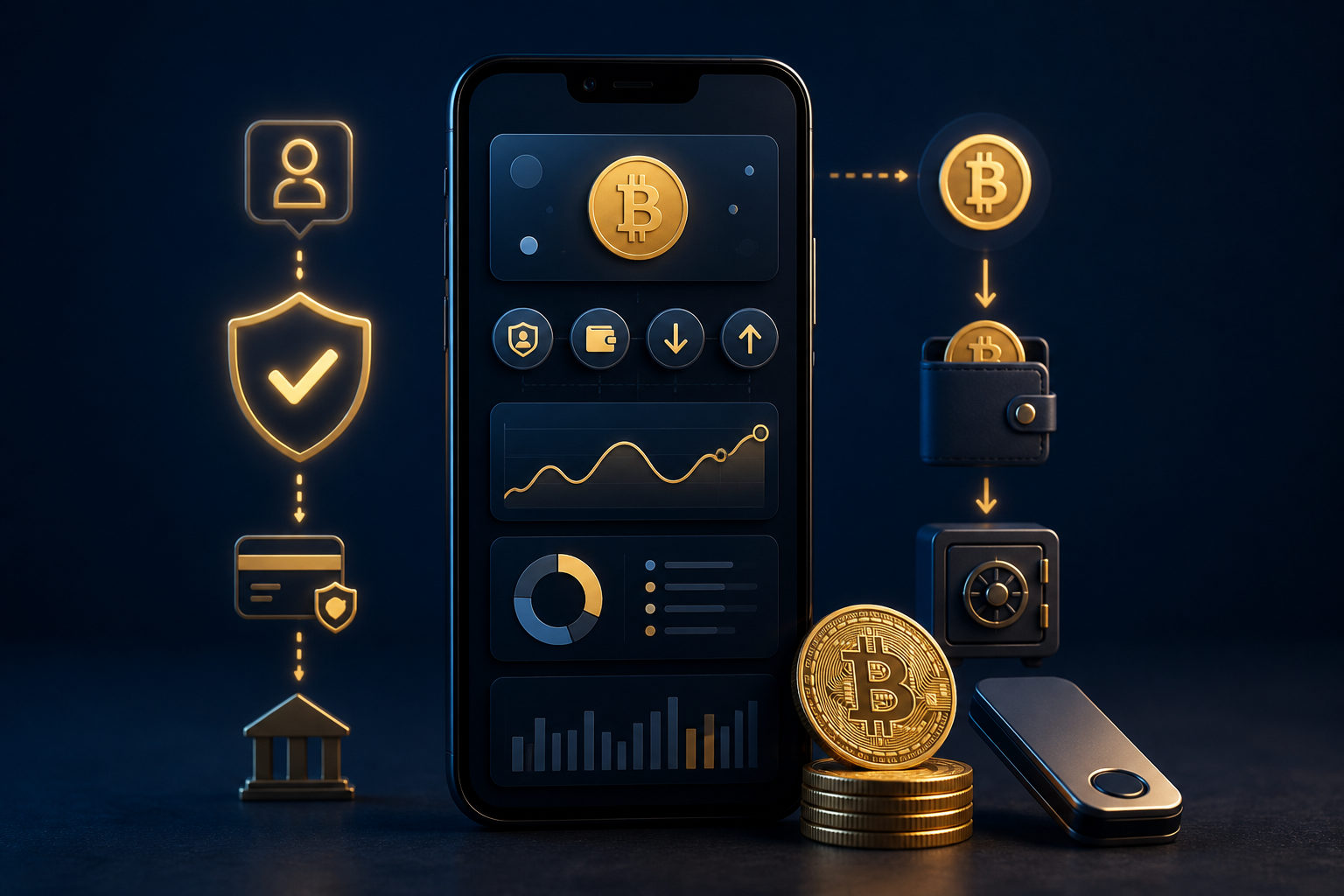
To get bitcoin on Cash App, you usually need to verify your account first, then either buy BTC inside the app or receive it from another wallet. The safe part is just as important as the setup.
Ways to get bitcoin on Cash App
There are two common paths. You can purchase bitcoin directly in the app, or you can receive BTC from someone else using your bitcoin deposit details.
Those options sound simple, but they involve different checks. Buying centers on payment access, fees, and order review. Receiving centers on the address, the correct network, and whether the transfer has actually been confirmed on-chain.
Step by step: buying bitcoin in Cash App
Step 1: Make sure bitcoin features are enabled
Before anything else, check whether your account has access to bitcoin features. Some users can see the bitcoin tab before they are fully cleared to buy, receive, or withdraw.
This step matters because Cash App may require identity verification. Use your own information, keep it consistent, and avoid any service that claims it can approve accounts for you. That is a common setup for account theft or fake support scams.
Step 2: Confirm your payment method works
Before you try to buy, make sure your Cash App balance or linked payment method is usable. Many first-time users assume the bitcoin feature is broken when the real problem is a payment issue.
Try not to repeat failed attempts over and over. Multiple cancellations or failed purchases can trigger extra review, and that can slow you down. If the app asks for another check, follow the official prompts inside the app instead of looking for shortcuts.
Step 3: Review the order carefully before you submit
When you reach the buy screen, enter the amount you want, then review the fee details and the order information before confirming. This is not just a formality. The amount you spend and the amount of BTC you receive are not the same thing.
Take a pause if anyone is pushing you to act fast. A lot of bitcoin fraud starts with pressure: buy now, send now, do not ask questions. That pressure is itself a warning sign.
Step 4: Check that the bitcoin balance actually updated
After the purchase, go back and confirm that your BTC balance reflects the completed order. That helps you tell the difference between a finished purchase and a transaction that is still pending or failed.
At that point, think about where you want to keep the bitcoin. Leaving it inside the app is easier for many beginners. Moving it to a wallet you control gives you more direct control, but it also puts more responsibility on you.
Step by step: receiving bitcoin on Cash App
Step 1: Generate your receiving details
If someone is sending you BTC, open the app and find your bitcoin receiving address or deposit screen. This step needs care because bitcoin transfers usually cannot be reversed after they are sent.
Copy the address instead of typing it by hand. Then compare the beginning and end before you share it. Clipboard malware can replace an address without making the change obvious.
Step 2: Make sure the sender uses bitcoin on the right network
The sender needs to send actual bitcoin using the method shown in Cash App. If they send a different asset or use the wrong network, recovery may be difficult or impossible.
Be careful with anyone who says they will send some other token first and convert it later. That is not a normal receiving process. If you want BTC, ask for BTC sent in the way your app shows.
Step 3: Wait for confirmation instead of trusting screenshots
Bitcoin is not an instant settlement system. A block is produced about every 10 minutes, so a transfer may show as pending before it becomes fully confirmed.
That is why screenshots are not enough. Someone can send a screenshot that looks real while the payment is still unconfirmed, canceled, or never sent to your address at all. Check the app status and, if needed, the on-chain record.
Why people run into trouble after getting BTC
The hard part is not always buying or receiving. Often, it is understanding what you now control and what you do not. Bitcoin held inside an app account is different from bitcoin stored in a wallet where you control the keys.
If you are just testing the process, keeping it simple may be the better move. If you plan to manage your own wallet later, learn the basics first: backups, address checks, withdrawal flow, and the fact that bitcoin transactions are usually final.
Common scam patterns to watch for
- Fake support: someone pretends to be customer support and asks for verification codes, login details, or screen sharing.
- Investment traps: someone tells you to buy bitcoin on Cash App and then send it to a so-called profit account.
- Address swapping: malware changes the copied wallet address before you paste it.
- Fake tutorials: ads, posts, or messages push you to a cloned page that steals account information.
Practical ways to reduce risk
The best habit is a repeatable checklist. Before each purchase or deposit, check your account status, review the receiving details, read the confirmation screen, and stop if anything looks unclear.
It also helps to tighten your account security. Use a strong password, enable two-factor protection if available, secure your phone, and avoid sensitive actions on public networks. Many losses happen because the user is rushed, distracted, or tricked.
If you later decide to withdraw BTC to an external wallet, send a small test amount first. It is a simple way to confirm that the address and the flow are correct before you move more.
FAQ
Do I have to buy BTC to get bitcoin on Cash App?
No. You can also receive bitcoin from another wallet if your account has the needed bitcoin features available.
Buying and receiving are both common. The main difference is that receiving requires extra care with the address and network details.
Can I withdraw bitcoin after buying it in Cash App?
In many cases, yes, but that depends on your account status and what features are enabled for you. Not every user will see the exact same options at the same moment.
Before any withdrawal, verify the address and consider a small test first. A wrong bitcoin transfer is usually not reversible.
Someone sent me a screenshot saying the BTC is on the way. Is that enough?
No. A screenshot is not proof that your wallet has received confirmed bitcoin.
Check the transaction status in the app and, when needed, confirm that it appears on-chain. Pending and settled are not the same thing.
What is the biggest safety issue for first-time users?
The biggest issue is pressure. If someone tells you to buy bitcoin right now and send it immediately, slow down.
That pattern shows up in fake support cases, impersonation scams, and investment fraud. You should also refuse any request for login details or verification codes.
What is the safest order for getting started?
Start with account verification, then learn the buy flow with a small amount, then learn how receiving works and how to verify an address. That order keeps the process manageable.
After that, decide whether you want to keep bitcoin in the app or move to a wallet you control. Only take actions you can review yourself from start to finish.
If you are ready to begin, stick to actions you can verify on your own screen: account status, payment details, receiving address, and confirmation pages. If one piece does not make sense, stop there and check it again.
Disclaimer: This article is for informational and educational purposes only and is not investment, financial, or legal advice. Crypto assets are highly volatile and you could lose your entire investment. Do your own research and decide carefully.