
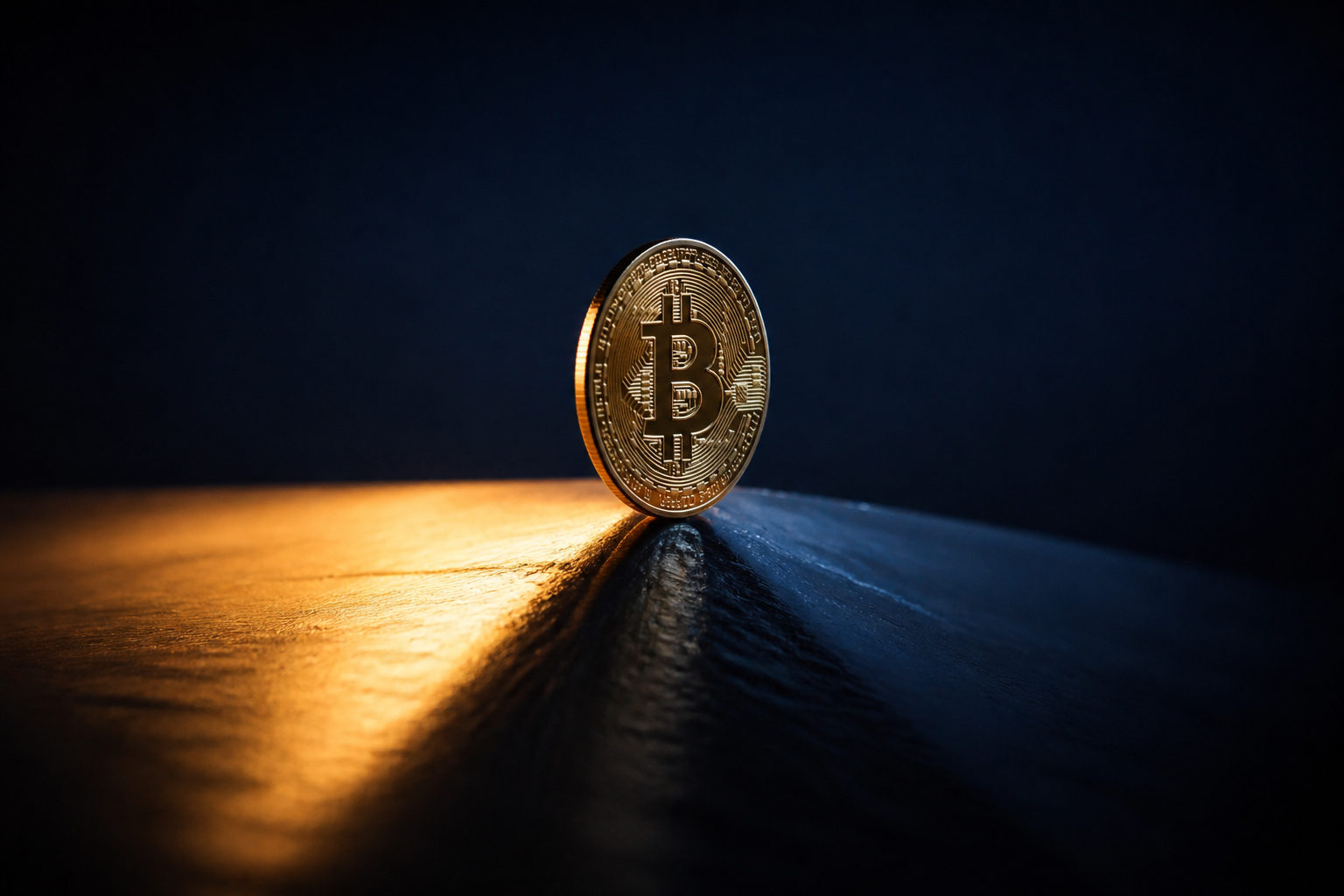
Is investing in Bitcoin profitable? It can be. But profit is never built in, and the same asset that can deliver strong upside can also punish bad timing fast.
First, define what “profitable” means to you
People ask this question as if it has one clean answer. It does not. One person means short-term trading gains. Another means long-term wealth building. A third just wants to know whether buying now is a mistake. Those are different questions, so they need different standards.
If your focus is quick profit, Bitcoin’s price swings are the center of the story. If you care more about holding it over time, you need to think about scarcity, adoption, market demand, and whether you can sit through ugly drawdowns without rewriting your plan halfway through. Many losses start right there: a short-term mindset hidden inside a supposed long-term position.
| How people ask it | What they usually mean | What matters more |
|---|---|---|
| Can I still make money buying now? | Is there still room for upside after entry? | Entry pacing, position size, market mood |
| Is Bitcoin worth holding long term? | Can it keep value or grow over time? | Scarcity, adoption, staying power |
| Is Bitcoin good for beginners? | Can I handle the ride? | Risk tolerance, cash needs, learning curve |
Why Bitcoin can be profitable at all
Bitcoin keeps attracting capital for a reason. Its supply is capped at 21 million coins, and that rule is one of the main pillars behind its appeal. It also moves across borders through a decentralized network, which gives it a role that some investors see as distinct from traditional assets.
The issuance schedule matters. Bitcoin started with the genesis block in January 2009. The network produces a block about every 10 minutes. About every 4 years, or every 210,000 blocks, the issuance rate is cut in half. The halving does not guarantee higher prices, and anyone who tells you it does is overselling the story. What it does is shape expectations around future supply, and markets care about expectations.
There is another practical point that changes how beginners think about it: you do not need to buy a whole coin. Bitcoin can be divided into smaller units. The smallest is the satoshi, and 1 satoshi equals one hundred millionth of a BTC. That removes one common mental block. The real question is not whether you can afford one full Bitcoin. It is whether your position size makes sense for your finances and your nerves.
Why some investors make money and others lose it
Owning Bitcoin and making money from Bitcoin are not the same thing. A lot of people believe in the asset, then ruin the result through bad execution. They buy after a rush of optimism, commit too much capital at once, panic during a fast drop, or trade every move without a clear method. The view may be fine. The process is broken.
Holding period changes everything. In the short run, price can move hard in either direction, and that can shake out people who thought they were prepared. In the longer run, the challenge shifts. Then it becomes a test of patience, conviction, and money management. If the funds you used are needed for rent, debt, or near-term expenses, your odds get worse before the market even moves.
| Source of outcome difference | Typical behavior | Likely effect |
|---|---|---|
| Entry method | Buying a large amount at once during excitement | Very sensitive to timing, harder drawdowns |
| Position sizing | Using money needed soon | Forced selling at a bad moment |
| Holding discipline | No exit rules or review plan | Emotion starts driving decisions |
| Risk awareness | Only thinking about upside | Underestimating stress during declines |
| Trading frequency | Jumping in and out too often | More chances to make costly mistakes |
Who Bitcoin may suit, and who should be careful
Bitcoin tends to fit people who can admit a simple fact: they will not nail every top and bottom. Good. That honesty helps. These investors usually treat Bitcoin as a high-volatility asset, use capital they can leave alone for a while, and decide in advance how much they are willing to allocate and under what conditions they would reduce exposure.
It tends to fit poorly with a different profile. Someone who needs the money soon. Someone who checks every price move and feels sick when it drops. Someone who confuses online excitement with research. Someone who wants a guaranteed win. Bitcoin does not offer that. It offers possibility, uncertainty, and a very real chance of steep declines along the way.
| Situation | Better fit or not | Why |
|---|---|---|
| Longer-term capital plan | Better fit | More room to absorb cycle swings |
| Short-term cash needs | Poor fit | Higher chance of forced selling |
| Willingness to keep learning | Better fit | Helps with risk and custody decisions |
| Desire for a quick double | Higher risk | Often leads to chasing and overtrading |
If you want exposure, method matters more than bravado
For most people, the biggest mistake is trying to sound confident instead of building a workable plan. A calmer approach often works better: spread entries over time, cap the amount you are willing to commit, write down why you are buying, and review that thesis later to see whether it still holds. It is not flashy. It is useful.
You also need to know whether you are investing or trading. Investing puts the weight on long-term reasoning, allocation, and custody. Trading is about execution, timing, and discipline under pressure. Mix the two and things get messy fast. People say they are long-term holders in the morning and become reactive traders by nightfall. That is a rough way to handle a volatile asset.
Security belongs in the decision from day one. Where will you buy? How will you store it? Do you understand that transfers are usually irreversible? Do you know what a seed phrase or private key really means in practice? You can be right about Bitcoin and still end up with a bad result if custody is careless.
FAQ
Is it too late to start buying Bitcoin now?
That depends more on your time horizon and entry plan than on a dramatic yes-or-no call. If you plan to build a position gradually, the better question is whether your process is sensible, not whether you can guess the perfect bottom.
Is buying Bitcoin in parts better than buying all at once?
For people without a tested trading system, gradual buying is often easier to stick with. It lowers the pressure of getting one exact entry right, though it does not remove risk or guarantee profit.
Do I need to buy one full Bitcoin to invest?
No. Bitcoin is divisible, and 1 satoshi is one hundred millionth of a BTC. That means the barrier to entry is not the price of a whole coin; it is your willingness to commit an amount that fits your risk tolerance.
Where does profit from Bitcoin usually come from?
For most investors, it comes from price appreciation between buy and sell, or from gains on a position held over time. Bitcoin does not function like a traditional fixed-income product with built-in steady cash flow, so market pricing does much of the work.
Where should I check the live Bitcoin price?
Mainstream exchanges and common market data sites can help, but one quoted number is only the start. It is smarter to look at bid-ask spread, trading activity, and whether prices differ sharply across platforms.
If you are still undecided, do two things before you buy anything: write down the kind of drawdown you could tolerate without abandoning the plan, and set a maximum allocation that would not disrupt your daily life. That sounds basic. It is. Still, those two lines on paper often do more to shape the final outcome than any bold market call.
Disclaimer: This article is for informational and educational purposes only and is not investment, financial, or legal advice. Crypto assets are highly volatile and you could lose your entire investment. Do your own research and decide carefully.