
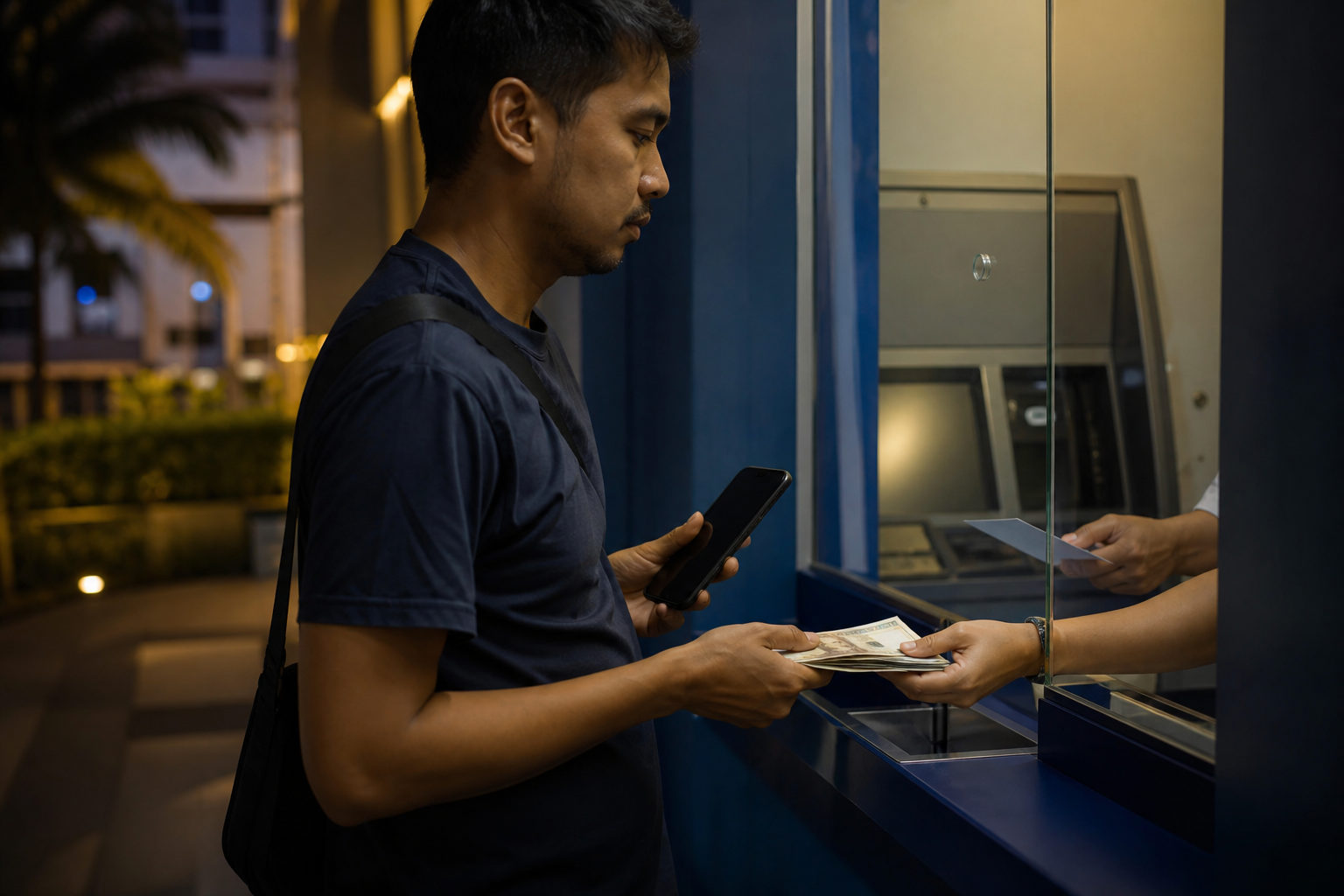
To withdraw bitcoins to cash in the Philippines, the safest route is to pick your payout method first, complete account checks, send BTC carefully, sell it through a service that supports cash-out, and confirm real receipt before you treat the process as done. Most failures come from fraud, bad payout details, or rushed transfers.
Choose the cash-out route before you move any BTC
If your goal is cash, start with the exit point rather than the crypto transfer. Think about whether you want the proceeds sent to a bank account, credited to an e-wallet, or released through a cash pickup option. Each route can have different name-matching rules, identity checks, review times, and failed-withdrawal handling.
This matters because once you send bitcoin into a service, reversing your path may be awkward or expensive. You may need another on-chain transfer, another review cycle, or extra support steps just because the payout option you assumed would work is not available for your account.
Read the actual sell and withdrawal instructions inside the service you plan to use. Marketing pages are less useful than the sections that explain payout limits, account verification, supported destinations, and what happens when a withdrawal gets rejected. That is the information that determines whether your cash-out will finish cleanly.
Get your account, wallet, and identity details in order
Before the transfer starts, figure out where your BTC is currently held. If it sits in a self-custody wallet, you will usually need to send it to a service that can convert BTC into fiat and release the funds through a local payout channel. If your bitcoin is already inside a custodial account, the path may be shorter, but you still need to check whether selling and fiat withdrawal are enabled for you.
Your legal name, account details, and verification documents should line up. Cash-out problems often happen after the coin transfer is complete, when the fiat side fails because the payout account name does not match the verified profile or required documents are missing. That kind of delay can trap funds in review while you try to fix something that should have been settled first.
Also check the practical side of access. Make sure you can still sign in, receive two-factor codes, and use a device you trust. A surprising number of users discover login trouble only when they are under time pressure, and that is when fake support messages become dangerous.
Step-by-step: how to withdraw bitcoins to cash in the Philippines
Step one: confirm the service supports your intended payout method
Open the service you plan to use and look for its sell and withdrawal pages. You want clear answers to a few points: whether it supports your preferred cash-out route, whether identity verification must be finished before selling or withdrawing, and how failed payouts are handled.
The reason is simple. The bitcoin transfer may go through smoothly while the cash leg stalls because the receiving method is unsupported, the account type is wrong, or extra review is triggered. You want those issues discovered while your BTC is still in your control, not after it has already been sent.
Watch for pressure from people who claim they can offer a better rate if you move the deal into a chat app. Once someone asks you to leave the official order flow, pay outside the platform, or send BTC before the payment is confirmed, your risk rises sharply.
Step two: verify the deposit address and network with care
If you are sending from a self-custody wallet, the service will usually give you a BTC deposit address. Pause there. Check that the asset is actually BTC and that the instructions refer to the Bitcoin network expected by that service. If you have several tabs open, make sure you are not copying an address from an old order or a different asset screen.
Address mistakes are one of the costliest errors in crypto. A bad copy, a switched tab, or clipboard malware can redirect funds to the wrong place. Blockchain transfers are hard to reverse, so this step deserves more attention than it usually gets.
Good habits help. Compare the first and last characters of the address after pasting, avoid unknown clipboard tools, and do the transfer from your own device. Public computers and random browser extensions have no place in a cash-out session.
Step three: send a small test amount first
After you verify the address, do not move the full balance right away. Send a small test amount, wait for the service to recognize it correctly, and only then decide whether to transfer the rest. That test can expose address errors, wallet restrictions, review holds, or unexpected payout limitations while the stakes are still low.
A test transfer also teaches you the rhythm of the whole process. You get to see what status messages appear, where delays usually happen, and which steps require patience instead of repeated clicking. That is useful if this is your first time converting bitcoin into local cash.
If the page shows a pending state, do not duplicate the same request out of panic. Be especially cautious if someone contacts you and claims they can speed things up if you send more BTC to a new address. Real support channels do not solve withdrawal reviews that way.
Step four: sell the BTC, then withdraw the fiat balance
Once the bitcoin arrives, follow the service's internal sell flow to convert it into fiat balance. After that, move to the withdrawal page and enter your receiving details carefully. Review the account name, number, destination type, and any required identity fields before you submit.
The reason for this extra pause is that the risk profile changes here. The blockchain part may already be complete, but the fiat payout can still fail if the receiving information is inconsistent or incomplete. Many users focus hard on the wallet address and then rush the payout form, which is where avoidable rejection happens.
If more documents are requested, upload them only through the official in-app or on-site process. Do not send IDs to private accounts that claim to be support staff. Requests for a release fee, validation fee, or unlock payment are strong warning signs.
Why off-platform cash deals are riskier
Some people try to cash out by finding a direct buyer who will pay in cash or bank transfer after receiving bitcoin. It may sound faster, but it piles several risks into one trade: fake transfer receipts, disputed payment status, unknown identity, and personal safety concerns if the meeting is in person.
If you use peer-to-peer trading at all, keep the conversation, order flow, and release process inside the platform that hosts the trade. A screenshot of a bank transfer is not proof of receipt. A text notification is not proof either. Check your own bank or e-wallet balance directly and make sure the funds are actually available before you release BTC.
In-person cash meetings carry another layer of danger. Last-minute venue changes, pressure to complete the trade quickly, and demands to switch payment methods are all signs to stop. There is no reason to leave a protected process for a stranger's convenience.
Common scam signals during a bitcoin cash-out
- Fake support outreach: someone contacts you first and says your withdrawal is frozen unless you send more BTC for verification.
- Fabricated payment proof: the buyer shares a receipt or screen recording, but your account balance does not change.
- Phishing pages: the login page looks familiar and exists only to steal your password, codes, or seed phrase.
- Clipboard hijacking: malware swaps the copied BTC address for one controlled by an attacker.
- Off-platform rate bait: a stranger offers a better exchange rate if you move the trade outside the normal order system.
The right response is not complicated. Stop the current action, go back to the official app or site you normally use, verify the real status there, and check the receiving account yourself. Urgency is one of the oldest tools in crypto fraud.
FAQ
Do I need identity verification before cashing out bitcoin in the Philippines?
Many services require identity checks before you can sell BTC for fiat or withdraw funds. It is better to finish that part before you transfer bitcoin in, so your funds do not get stuck at the payout stage.
When is a bitcoin cash-out actually complete?
It is complete only when you confirm the money is truly available in your bank account, e-wallet, or pickup channel. Screenshots, receipts, and chat messages are not enough on their own.
Why did my BTC send succeed while my cash withdrawal is still pending?
Because these are usually two separate stages. First the bitcoin has to arrive and clear within the service, then the fiat payout has to pass its own review and payment processing checks.
Is cashing out from a self-custody wallet different from selling inside an account?
Yes. With self-custody, you control the keys and must handle the transfer into the selling service yourself. That makes address checks and test transfers more important.
What should I do if I entered the wrong payout details?
The answer depends on where the mistake happened. A wrong blockchain address is usually far harder to recover from, while a fiat payout error may still be fixable through the service's formal support flow.
Use your own device, test with a small amount, and close the order only after you verify the fiat side yourself. That habit prevents more losses than any promise of a faster deal.