
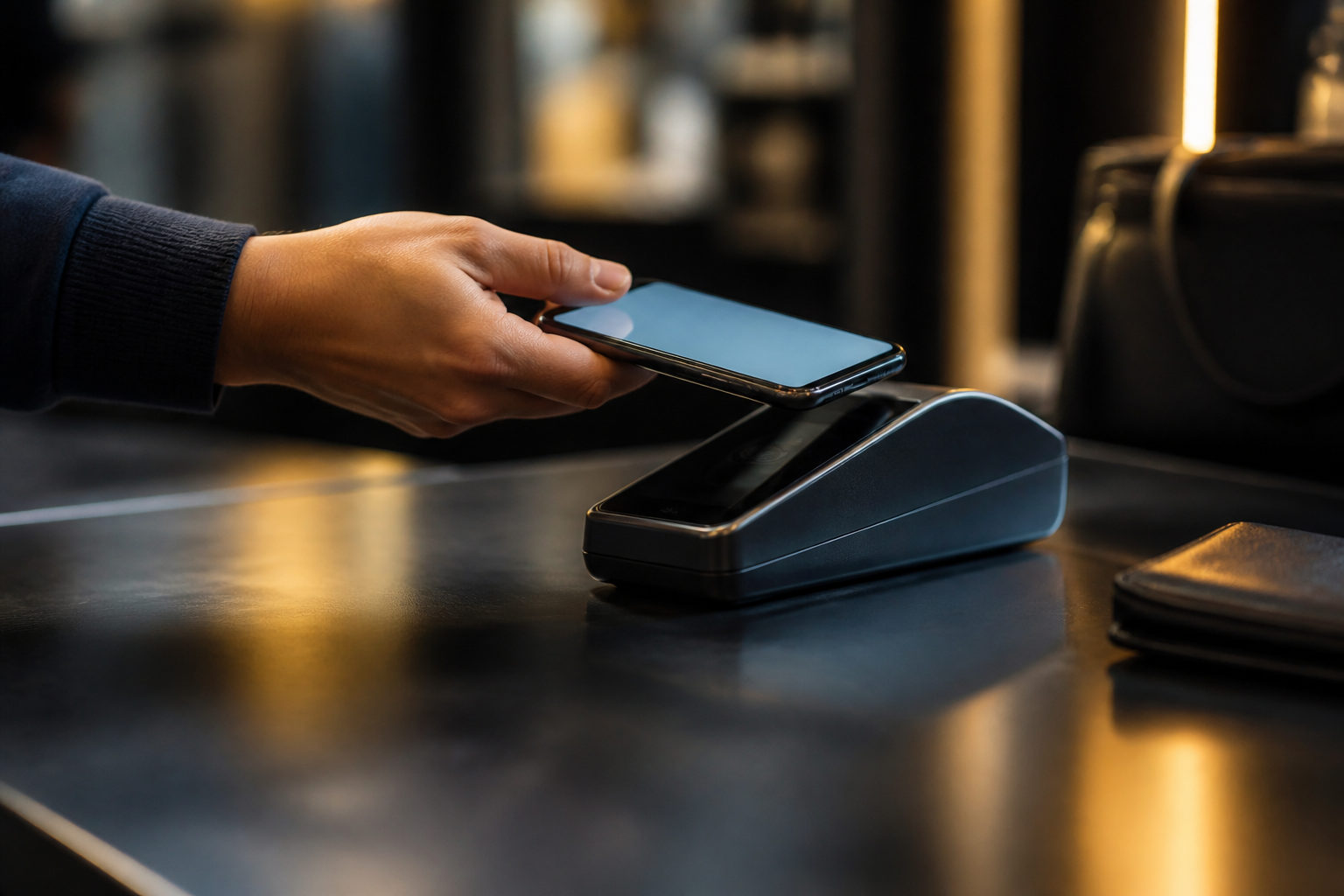
Bitcoins are spent by sending BTC from your wallet to a recipient’s address. In practice, that can mean paying a merchant, transferring funds to another person, buying a gift card, or converting BTC into fiat before making a purchase.
What it means to “spend” bitcoin
People often picture spending as a card swipe at checkout. With bitcoin, the core action is different: you authorize a transaction with your wallet, the network processes it, and the balance tied to your address moves to someone else’s address. That is the basic mechanic behind paying with BTC.
This can show up in several forms. You might send bitcoin directly to a seller, scan a QR code on a merchant’s payment page, fund an account on a service that accepts BTC, or use a platform that converts your bitcoin into fiat behind the scenes. The user experience changes from one case to another, but the starting point is the same: a transfer out of your wallet.
Bitcoin’s target block time is about 10 minutes per block, so payment finality is not the same as sending a text message. A recipient may see the transaction quickly, yet still wait for on-chain confirmation before releasing goods or services. That gap between “sent” and “accepted” is one of the first things new users need to understand.
Common ways people spend bitcoin
There is no single spending route. The right method depends on whether the other side accepts BTC directly, how quickly the payment must clear, and whether you are comfortable handling a normal on-chain transaction yourself.
| Method | Best for | How it works | Main trade-off |
|---|---|---|---|
| Direct wallet payment | Peer-to-peer transfers, private sales | You send BTC straight to the recipient address | Simple flow, but address accuracy matters |
| Merchant checkout with BTC | Online stores or businesses that accept bitcoin | You pay the address or QR code shown on the order page | Convenient, though order timing and confirmation rules apply |
| Gift cards or account top-ups | Indirect spending on services that do not take BTC natively | You spend BTC to buy a redeemable balance or code | Broader usability, with platform-specific terms |
| Sell BTC for fiat first | Everyday purchases where bitcoin is not accepted | You convert BTC, then spend the fiat proceeds | Works almost anywhere, but adds another step |
Direct payment is the cleanest example. The merchant or individual gives you an address, you enter the amount, choose a fee, and broadcast the transaction. In other cases, the payment page is managed by a processor that creates a temporary invoice and tracks whether your transaction arrived in time.
Some services present the experience as “pay with bitcoin” even though the merchant never actually holds BTC. Instead, your bitcoin is received by an intermediary and converted before settlement. That still counts as spending bitcoin from the user’s point of view, but it affects refund handling, timing, and recordkeeping.
What happens during a bitcoin payment
The flow is short, yet every step matters because bitcoin transactions are generally not reversible after broadcast. A careful payment routine reduces mistakes far more than trying to fix them later.
| Step | What you do | Common mistake | Practical check |
|---|---|---|---|
| Confirm payment details | Review the address, asset, and amount requested | Sending to the wrong destination or wrong payment format | Check the first and last characters and confirm the recipient wants BTC |
| Enter the amount | Pay the BTC amount shown on the invoice or requested by the recipient | Using an outdated amount from an expired quote | Use the current checkout screen, not an old screenshot |
| Select the network fee | Choose a fee level in your wallet | Picking a very low fee for a time-sensitive payment | If the order has a deadline, choose a faster confirmation option |
| Broadcast the transaction | Sign and send from your wallet | Assuming it can be canceled later like a card payment | Do one final review before sending |
| Wait for confirmation | Track the transaction and merchant status | Treating “broadcast” as final completion | Follow the recipient’s confirmation policy |
Two details are easy to miss. First, the mining fee is not the same as the payment amount. It goes to the network participants who include transactions in blocks, not to the seller. Second, the block subsidy and the fee you pay are different things. The current block reward is 3.125 BTC after the 2024-04-19 halving, while your transaction fee depends on network conditions and wallet settings.
Unit display can also cause confusion. One satoshi is 0.00000001 BTC, the smallest unit of bitcoin. Some wallets show tiny amounts in satoshis and others keep the BTC format, so it is worth checking the unit before approving any payment.
What affects the real-world spending experience
Being able to spend bitcoin is one question. Spending it smoothly is another. Merchant policies, network congestion, fee conditions, and invoice timing all shape what the payment feels like in practice.
Confirmation speed is the first variable. Bitcoin aims for a new block about every 10 minutes, but your transaction’s place in the queue depends on fee selection and network demand. A merchant selling low-risk digital services may credit your payment quickly, while a seller of higher-value goods may wait longer.
Pricing method is the second factor. Many goods are priced in fiat and converted to BTC only at checkout. That means the exact bitcoin amount due can change from one moment to the next, and payment pages often include a short validity window. If you pay after that window, the merchant may mark the invoice as expired or require manual review.
The third factor is the settlement model. A pure on-chain payment means the merchant receives BTC directly. A processor model means your bitcoin may be converted before the merchant sees the proceeds. A custodial app may move balances internally without the user noticing much of the underlying process. These are different experiences even if they all look like “spent bitcoin” from the front end.
| Factor | Possible effect | What to check before paying |
|---|---|---|
| Network congestion | Slower confirmation and higher fees | Your wallet’s estimated confirmation speed |
| Invoice time limit | The BTC amount may need to be recalculated | Whether the checkout page shows a payment deadline |
| Merchant risk policy | More confirmations may be required | The store’s payment acceptance rule |
| Processor or conversion service | Different refund and dispute handling | The platform terms for payment completion and returns |
That is why “Can I spend bitcoin?” is only the first layer of the topic. A better question is how the recipient wants to receive value, because the answer changes the process, the waiting time, and the paper trail you should keep.
Common mistakes when spending bitcoin
The biggest mistake is sending funds without confirming the recipient details. A copied address can be wrong, a QR code can point to a different destination than expected, and a payment page can expire while you are still preparing the transaction. Once the transaction is broadcast and confirmed, there is usually no simple reversal path.
Another problem is mixing long-term holdings with day-to-day spending. If you keep a separate wallet for routine payments, small mistakes are easier to contain. That also makes recordkeeping cleaner, which matters if you need to match a transaction to an order later.
People also underestimate how useful basic documentation is. Save the order screen, the transaction ID, the payment time, and the address you paid. If a merchant needs to reconcile your order manually, those details are far more useful than saying that the wallet showed the transfer as successful.
For context, bitcoin has been used for real-world purchases since early in its history. On 2010-05-22, Laszlo Hanyecz paid 10,000 BTC for two pizzas, a transaction now remembered as Bitcoin Pizza Day. That does not tell you what to pay today, but it does show that spending bitcoin has always meant using the network to transfer value to someone willing to accept it.
FAQ
Can bitcoin be used to buy things directly?
Yes, if the seller accepts BTC. In one case you send bitcoin straight to the merchant, and in another a payment processor handles the transaction flow for the business.
Why does a merchant say my bitcoin payment has not arrived yet?
Your wallet may show the transaction as sent before the merchant treats it as complete. The payment might still be waiting for confirmation, or the store may require a certain confirmation threshold before crediting the order.
Can a bitcoin payment be canceled?
Usually no once it has been broadcast and accepted by the network. That is why checking the address, amount, and timing before sending matters more than trying to recover from an error afterward.
Is bitcoin practical for small purchases?
It can be, but the answer depends on current fee conditions and how the seller handles payment acceptance. If on-chain fees are high relative to the purchase size, the experience may feel inefficient.
Do I always need to convert bitcoin to fiat before spending it?
No. If the recipient accepts BTC, you can pay directly in bitcoin. Conversion is only needed when the seller does not take bitcoin and you want to use the value of your holdings for a purchase.
Before spending bitcoin, check four things every time: whether the recipient accepts BTC, whether the address is correct, whether the invoice has a deadline, and whether you have saved the transaction record.
Disclaimer: This article is for informational and educational purposes only and is not investment, financial, or legal advice. Crypto assets are highly volatile and you could lose your entire investment. Do your own research and decide carefully.