
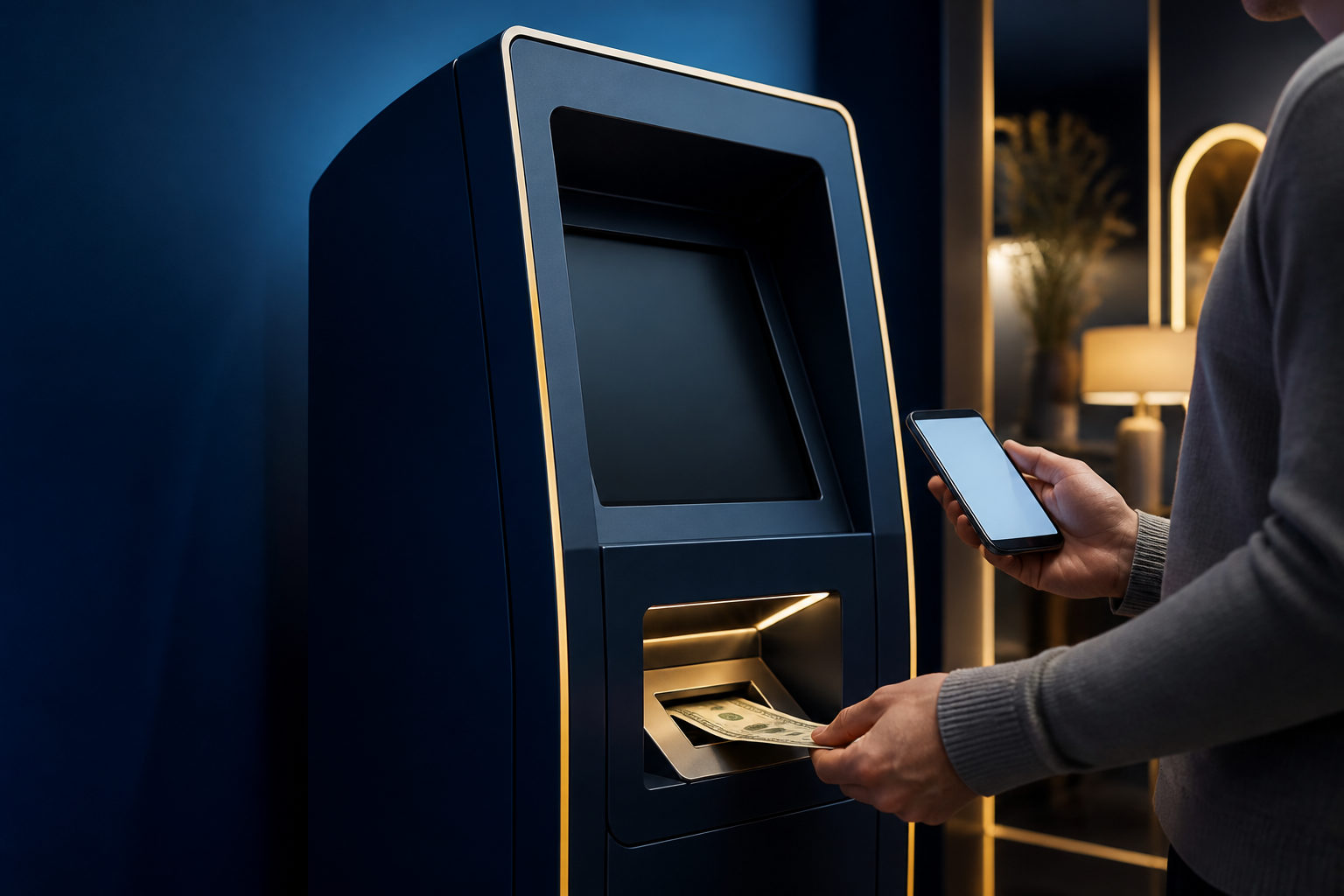
To buy bitcoin at an ATM, bring your own wallet first, confirm the machine supports purchases, scan your receiving address, complete any identity checks, insert cash, and review the transaction before you leave.
What a bitcoin ATM actually does
A bitcoin ATM is not the same as a bank cash machine. It is usually a terminal run by a crypto service provider that lets you exchange cash for bitcoin and send it to your wallet.
That difference matters. New users often expect a simple cash-in process, then get caught by wallet setup, fees, or identity prompts because they treated it like a normal ATM.
What to prepare before you start
Set up your own wallet in advance
Your first job is to have a wallet you control before you walk up to the machine. The reason is simple: if you try to install a wallet on the spot, you are more likely to rush, miss a backup step, or download the wrong app.
Write down or securely store your recovery phrase according to the wallet's instructions. Do not hand that phrase to anyone, and do not save it in an easy-to-share note.
Make sure the machine supports buying
Some machines support buying, some support selling, and some offer both. Checking that first saves time and helps you avoid making decisions under pressure in an unfamiliar place.
If the interface is unclear or the labels look altered, stop there. A machine that does not clearly explain its function is not a good place for a first transaction.
Be ready for identity verification
A bitcoin ATM may ask for a phone number, a code, or additional identity checks. Operators often have compliance rules, so you should not assume every transaction can be done without sharing personal information.
The key point is consent. If a machine asks for more data than you expected and you cannot tell who operates it, you do not have to continue.
Look for fees before inserting cash
Many first-time buyers are not confused by the process itself. They are surprised by the total cost after the fact.
Fees may appear as a service charge, an exchange rate spread, or network-related costs shown on the confirmation screen. Read the details before you put money in, not after.
How to buy bitcoin at an ATM step by step
Step one: check the location and the machine details
Start by looking at where the machine is placed. A machine inside a normal business with visible operator information and support instructions is easier to trust than one with missing labels or confusing stickers.
This step helps with scam prevention. Some fraud attempts rely on fake contact numbers, changed instructions, or strangers who offer to walk you through the process.
Step two: choose the option to buy bitcoin
On the screen, select the option to buy bitcoin. Do not guess your way through a menu, especially if the machine supports several digital assets.
The reason is obvious once you think about it: sending a transaction through the wrong flow can be hard to reverse. Slow down and read each prompt.
Step three: scan your wallet address
Most bitcoin ATMs ask you to present a QR code from your wallet so the machine can scan your receiving address. This is safer than typing the address by hand because a small mistake can send funds to the wrong destination.
Use a receiving address generated by your own wallet. Do not rely on a screenshot from someone else, and do not accept instructions to send funds to a so-called verification address.
Step four: complete the required verification
Follow the prompts for any phone verification or identity step the machine requires. Completing this before moving ahead reduces the chance that the transaction will stall after you have already started.
If the process suddenly asks you to download unknown software, open remote access, or switch to another site, that is not a normal ATM purchase flow. Stop immediately.
Step five: test with a small amount if the machine allows it
If the machine accepts cash in stages, consider starting with a smaller amount. That gives you a chance to confirm the address, the displayed cost, and the general flow before committing more funds.
This is a practical safety habit, not a technical requirement. It lowers the damage if you missed a detail on the screen.
Step six: review the final confirmation carefully
Before you approve the transaction, check three things: you are buying bitcoin, the receiving address belongs to you, and the fees are shown clearly. Those are the points that matter most if something goes wrong later.
If the machine offers a printed receipt or a digital record, keep it. That information can help you track the transfer or speak with the operator if needed.
Step seven: verify the status before walking away
Do not leave the moment the machine accepts your cash. Look for a status message, a transaction record, or a receipt that shows the order was submitted.
Your wallet may not show spendable bitcoin right away because the transfer still needs to move through the blockchain process. What matters first is that your address was correct and your record was saved.
Common mistakes and scam setups
The biggest risk is often not the machine. It is the pressure around it.
A stranger may claim to be support and tell you to send the bitcoin to a recovery address. Someone standing nearby may offer help, then swap the QR code or direct you into a fake step. In other cases, people confuse the search phrase and end up looking for ways to buy a bitcoin ATM machine instead of using one to buy bitcoin.
- Do not let another person create your wallet for you.
- Do not share your recovery phrase with anyone.
- Do not let a stranger hold your phone during the transaction.
- Do not send newly purchased bitcoin to a person claiming to be law enforcement, tech support, an investment coach, or a refund agent.
FAQ
Do I need a wallet before using a bitcoin ATM?
Yes, that is the safer approach. Some machines may offer a temporary method, but using your own wallet gives you control of the receiving address from the start.
Does every bitcoin ATM require identity verification?
No. Requirements vary by operator and location, so you need to read the prompts on that machine before you begin.
Why has my bitcoin not arrived right after the ATM transaction?
A completed order at the machine does not always mean immediate availability in your wallet. Check your receipt, confirm the address, and look at the pending status in your wallet before assuming something failed.
Where can I see the fees on a bitcoin ATM?
Fees are usually shown on the machine's confirmation or pricing screens. Read those details before inserting the full amount so you know what you are accepting.
What is the safest way to use a bitcoin ATM for the first time?
Use a machine in a normal business location, bring your own wallet, and handle every step yourself. If anyone pressures you, asks for your phone, or tries to redirect the payment, end the transaction.
What to do after the purchase
Save the receipt, open your wallet, and confirm that the receiving address and transaction status match what the machine showed. If you plan to keep the bitcoin, wallet backup and scam awareness matter more than rushing into a second purchase.
Disclaimer: This article is for informational and educational purposes only and is not investment, financial, or legal advice. Crypto assets are highly volatile and you could lose your entire investment. Do your own research and decide carefully.