
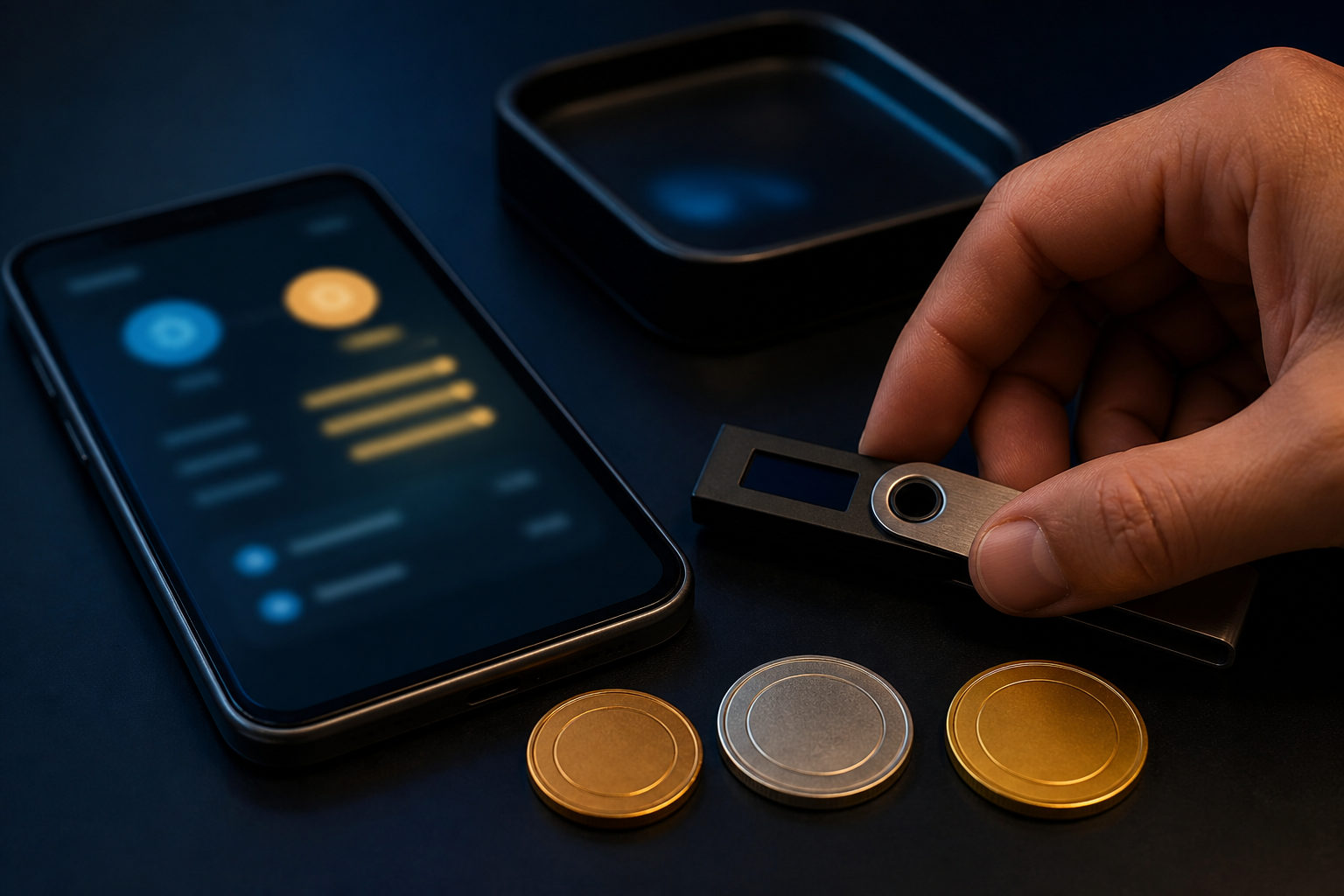
To convert bitcoins safely, first decide what you want in return, confirm where the funds should arrive, and verify every transfer detail before you send anything. The conversion itself is often simple; avoiding mistakes and scams is the hard part.
Start by defining the conversion goal
“Convert bitcoins” can mean several different actions. You might want to sell BTC for fiat, swap it for a stablecoin, exchange it for another cryptocurrency, or move value between wallets as part of a portfolio change. Each path has a different set of checks, and that is why the first step matters more than many beginners expect.
If your end goal is fiat, the process may involve account verification, withdrawal rules, and a bank destination that must match your identity records. If your goal is a stablecoin, the main concern shifts to wallet support, network compatibility, and what you plan to do after the swap. If you want another coin, you also need to think about whether the trading pair is active enough and whether you can withdraw the asset after the trade.
| Target asset | Typical use | Main focus | Common mistake |
|---|---|---|---|
| Fiat | Cash out or return funds to a bank account | Identity checks, withdrawal rules, payout details | Name mismatch or ignored review steps |
| Stablecoin | Reduce exposure to short-term volatility | Network choice, wallet support, transfer path | Sending to an unsupported chain |
| Another crypto asset | Rebalance or rotate holdings | Trading depth, asset availability, withdrawals | Looking only at headline price |
Writing down the end goal before you begin can save you from a surprising number of errors. When people skip this part, they often improvise in the middle of the process, and that is when they choose the wrong network, pick an unsuitable asset, or leave funds in a place that was only meant for a quick swap.
Run the key checks before any transfer
Most losses happen before the actual conversion order is placed. They come from bad addresses, weak account security, fake support messages, or using the wrong transfer route. A short review at the start can stop those problems before they become expensive.
| Check | Why it matters | What to watch |
|---|---|---|
| Receiving address | Crypto transfers are usually hard to reverse | Copy carefully and compare the first and last characters |
| Network selection | The sending side and receiving side may support different networks | Make sure both ends show the same network |
| Account status | Some fiat functions require verification before use | Do not wait until funds arrive to submit documents |
| Security settings | Logins, withdrawals, and confirmations are sensitive actions | Use two-factor authentication and avoid unknown devices |
If you hold BTC in a self-custody wallet, add another layer of caution. Confirm that your recovery phrase is backed up in a safe place, that your wallet app came from a trusted source, and that your device is not showing odd prompts or suspicious browser extensions. Malware does not need to block your transfer to steal from you. In many cases, it simply replaces the address in your clipboard and waits for you to confirm.
You should also be careful with entry points. A fake conversion page found through a search ad, social post, or direct message can look polished and still be dangerous. Once you sign in to the wrong page or approve the wrong wallet request, the damage may happen before you notice anything is wrong.
How to convert bitcoins step by step
The exact button names differ from one service to another, but the structure is similar almost everywhere. The safest approach is to follow the logic of the process rather than rely on a familiar interface.
Step 1: Choose the conversion route
Decide whether you will swap inside a wallet, send BTC to a trading service and sell there, or move first into a stablecoin and pause before the next action. This step matters because each route has its own mix of convenience, cost, control, and risk.
A built-in swap may feel easy because it keeps everything in one place. A trading account may give you more order options and more flexibility after the sale. A stablecoin route may help if you are not ready to cash out yet. The right choice depends on your goal, not on which page uses the fastest marketing language.
Be careful with phrases such as instant exchange or quick conversion. Speed on the screen does not tell you the full cost. You still need to understand whether the quoted amount is estimated or guaranteed and whether fees appear as a spread, a trading charge, a transfer fee, or several of these at once.
Step 2: Prepare the receiving side first
If your bitcoins need to move to another wallet or account before the conversion, generate the receiving address on that destination first. Then return to the sending side and begin the transfer. This order reduces guesswork and keeps you from selecting an old address or the wrong asset page.
Some services assign separate deposit pages to different assets. Seeing a general “receive crypto” area does not always mean the destination is ready for BTC. In some cases, there are extra notes about accepted networks or extra identifiers that must be included for proper crediting. Skipping those details can create delays or leave you with a support issue that would have been easy to avoid.
Step 3: Send a small test amount
When you use a new address, a new wallet, or a new conversion method, start with a small test transfer. The purpose is not caution for its own sake. It is a practical way to confirm that the address is correct, the network matches, the receiving side recognizes the deposit, and your own sequence of actions works as expected.
Even after a successful test, check the address again before the main transfer. Clipboard hijacking and simple copy errors can happen between one attempt and the next. Treat each send as a fresh action rather than a continuation of the last one.
Step 4: Execute the main conversion
Once the test path is confirmed, move on to the full amount or the main portion you intend to convert. If you are using a trading interface, understand whether you are entering an immediate sale or a conditional order. If you are using a simplified swap tool, check whether the displayed output is an estimate or the final amount you are guaranteed to receive.
Costs are often layered. There may be a network fee for moving BTC, a trading fee for the sale, a spread in the quote, a withdrawal fee for the asset you receive, and a cash-out fee if fiat is involved afterward. A page that highlights only one of these can make the process look cheaper than it really is.
This is also the stage where panic clicks can cause trouble. If the screen says processing, pending, or submitted, do not keep repeating the same action. Look at the transaction history and balance movement before you decide that something failed.
Step 5: Place the converted asset where it belongs
The process is not finished just because a confirmation message appears. If you sold BTC for fiat, the next question is whether your withdrawal details are correct and whether the payout route matches your intended bank destination. If you converted to a stablecoin or another crypto asset, decide whether those funds should stay where they are for a short time or move to a personal wallet.
Many people focus on the trade and forget the storage decision that follows it. A place that is convenient for a swap is not always the right place for longer-term holding. Think about the purpose of the new asset before you leave it sitting in an account you only opened to complete the conversion.
Scam signals to watch during bitcoin conversion
Conversion is a favorite target for scammers because users often feel rushed. They want the trade done quickly, they fear making a mistake, and they may trust screenshots more than they should. That creates the perfect opening for fake support, fake payment proof, and off-platform offers.
| Risk signal | How it appears | Safer response |
|---|---|---|
| Private messages pushing a better rate | Someone asks you to leave the normal process and send BTC directly | Do not trade privately with strangers |
| Fake support instructions | You are told to send funds to verify or unlock an account | Handle account issues only inside the official interface |
| Screenshot-based proof | A person claims payment was sent and asks you to release funds | Trust only your actual balance and transaction record |
| Requests for recovery phrase or private key | Someone says they need wallet access to help you convert | Never share recovery credentials |
| Phishing login pages | A page looks familiar but steals your sign-in details or codes | Use your own saved access route instead of random links |
Another warning sign is screen sharing. If a stranger wants to walk you through the conversion while watching your screen, they may be waiting for a one-time code, a withdrawal approval, or a wallet backup phrase. The moment private security information is exposed, your risk rises sharply.
Be equally cautious with “managed conversion” offers. Handing control of your wallet or account to another person because they promise a better result is one of the fastest ways to lose funds. If you cannot explain each step yourself, pause and learn the process before moving the asset.
How to choose between common conversion methods
There is no single best method for everyone. A good choice depends on what you value most: fewer steps, more control over the trade, easier access to fiat, or a simple way to park value in another crypto asset for a while.
| Method | Best for | Strength | Main caution |
|---|---|---|---|
| Wallet-based swap | Users who want a short path | Convenient and centralized workflow | Check how pricing and supported assets are shown |
| Transfer to a trading service, then sell | Users who want more order choices | More flexibility after the sale | Longer process with more security checkpoints |
| Convert first to a stablecoin | Users not ready for fiat yet | Useful for waiting or planning a second step | Still requires chain and wallet compatibility checks |
| Move between personal wallets | Users adjusting storage structure | May avoid fiat handling altogether | Address and network accuracy become the main risks |
If you are new to this, getting the process right is usually more valuable than trying to chase the best quote on the first attempt. A clean, documented sequence that you understand from start to finish is easier to repeat safely than a complicated route that saves a little cost but increases the chance of a serious mistake.
FAQ
Can I convert bitcoin directly into money in my bank account?
That depends on whether the service you use supports selling BTC for fiat and withdrawing it to a bank destination. If it does, check the identity requirements and payout rules before you move funds there, because missing verification can delay the final step.
Is converting BTC to a stablecoin easier than cashing out?
In many situations, yes, because it can remove the banking step and keep you inside the crypto system for the next action. Even so, you still need to confirm that the receiving wallet supports the exact asset and network you plan to use.
Why do people recommend a small test transfer first?
A test transfer helps you confirm the address, network, deposit rules, and your own workflow before the main amount is exposed. If something is wrong, you find out with a limited amount rather than after a full transfer.
Why does a completed conversion sometimes remain unusable for a while?
The trade itself may be done while the transfer, deposit recognition, review process, or withdrawal step is still pending. When that happens, check the account record and transaction status before taking any new action.
Should I accept a private offer from someone willing to buy my bitcoins at a better rate?
That is usually a high-risk move because you may have no reliable way to confirm payment, identity, or whether the transaction can be reversed on the other side. If someone asks you to send BTC first or leave the normal interface, walk away.
Before you convert bitcoins, write down the target asset, the destination, the network, the likely fees, and the security checks you will use. That short checklist can prevent the most expensive errors people make during an otherwise simple process.
Disclaimer: This article is for informational and educational purposes only and is not investment, financial, or legal advice. Crypto assets are highly volatile and you could lose your entire investment. Do your own research and decide carefully.