
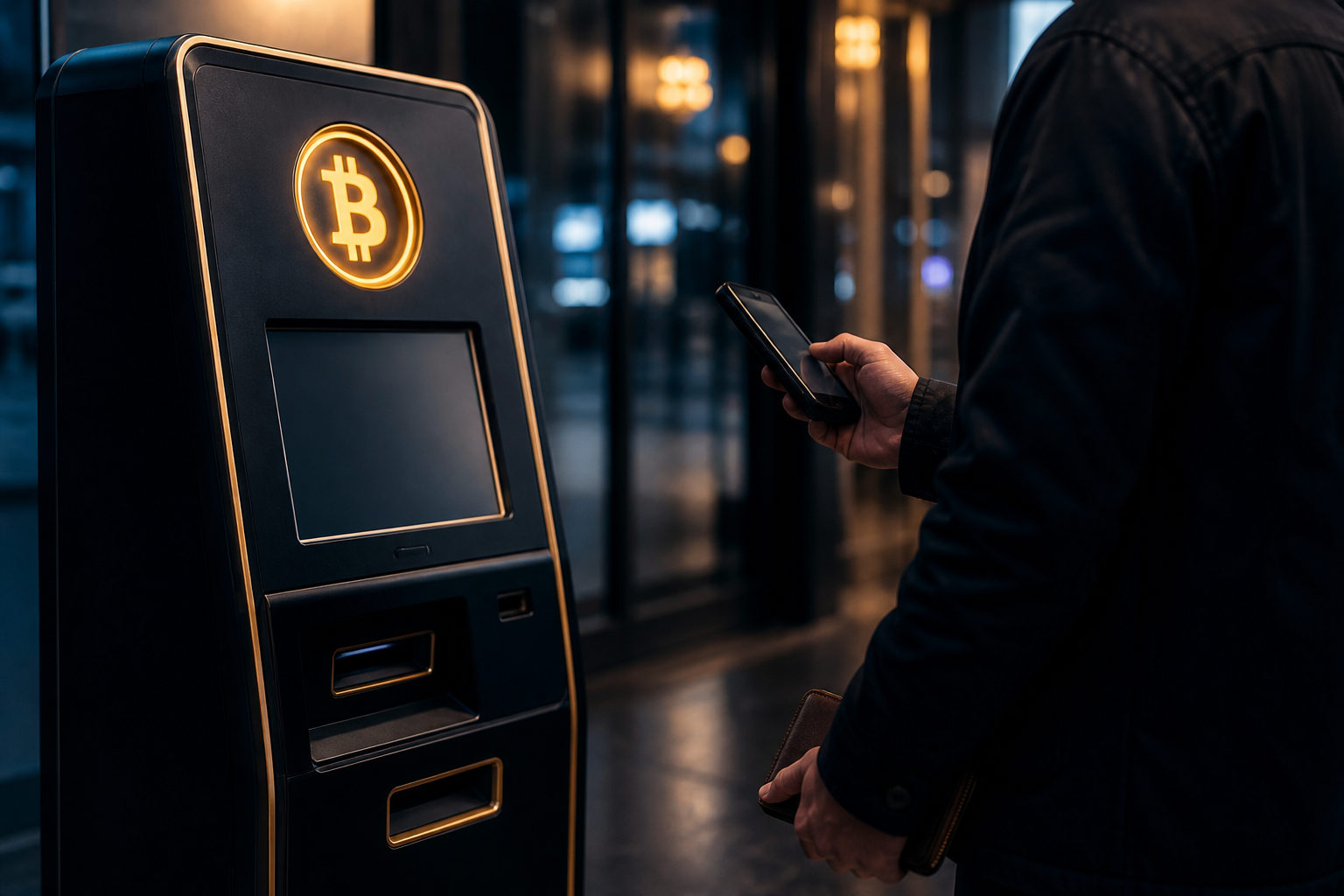
To find a bitcoin ATM near you, start by checking whether the machine is real, currently available, and suitable for the transaction you want to make. That matters more than simply picking the closest pin on a map.
Know what you want the machine to do before you search
People often search for a bitcoin ATM nearby without deciding whether they want to buy bitcoin with cash, sell bitcoin for cash, or just see what exists in their area. That leads to bad filtering from the start. Some machines only support purchases, some support selling, and some are labeled as crypto ATMs even though their functions are narrow.
Set your goal first. If you are only researching locations, you can focus on store hours and access. If you plan to use the machine the same day, you also need to think about wallet readiness, identity checks, and visible fees. This step saves time because it cuts out machines that do not match your purpose.
Step 1: Cross-check the location instead of trusting one listing
A map result is a starting point, not final proof. Search results for a bitcoin ATM can stay online after a machine has been moved, switched off, or removed. A stronger approach is to compare map listings with public directories and the business details of the place where the machine is supposed to sit.
Look for a clear venue name, not just an address. A machine inside a convenience store, mall, supermarket, or independent shop is easier to verify if the listing shows the host business. You also want to see whether the page says the machine supports buying, selling, or both. If the listing gives only a vague location and little else, treat it with caution.
The reason for this extra check is simple: “near me” tells you distance, not usability. A nearby machine that no longer exists is less useful than one a bit farther away that is active and easy to access.
Step 2: Check the host location before you leave home
After you identify a possible machine, verify that the place holding it is open. A bitcoin ATM inside a store depends on that store’s access rules and opening hours. Even if the machine is still there, a closed entrance, renovation, or restricted area can stop you from using it.
Review the business hours if they are public. Watch for temporary closures, special holiday schedules, or reduced evening access. If the location details look thin, pick another candidate rather than building your plan around a single machine.
It helps to keep more than one option. A short list gives you room to compare privacy, convenience, and clarity of information. A machine in a mall may be easy to find but limited by mall hours. A machine in a street-facing shop may be available longer, yet the surroundings may offer less privacy while you scan your wallet or review the screen.
Step 3: Prepare your wallet before you stand in front of the machine
Most bitcoin ATMs are not meant to hold funds for you over the long term, so your wallet should be ready in advance. Make sure you can open it, display your receiving QR code, and tell the receive screen from the send screen without hesitation. Your phone should have enough battery, and a backup way to view the address can help if the device becomes hard to use on the spot.
This matters because the ATM will usually ask for a receiving address during the session. If you start downloading a wallet app, creating an account, or learning the interface while strangers are nearby and the machine is waiting for input, the risk of error rises fast. A wrong address can be hard to recover from.
Do not let someone else handle your phone for you. A stranger who offers to “help” may scan the wrong code, switch screens, or direct funds away from your control. If you intend to send the purchased bitcoin straight to an exchange deposit address, confirm ahead of time that the exchange actually provides a bitcoin deposit address you can use and that no extra restriction applies. If you are unsure, send to a wallet you control first.
Step 4: Read the machine screens from start to finish before inserting cash
When you arrive at the ATM, resist the urge to move quickly. Read the screen carefully before you insert cash or confirm anything. Different machines present charges in different ways. You may see a rate spread, a service fee, and network-related costs, but the timing and wording vary.
What you need to confirm is the full path of the transaction: whether the machine supports your direction, what type of verification it requests, how the machine describes expected delivery, and whether you can stop the process before final confirmation. If key details appear only late in the flow, slow down and review them there.
A speed promise on the screen should not push you into acting carelessly. Processing at the machine, blockchain confirmation, and any internal review can affect when the result becomes visible to you. If the interface feels unclear or pressuring, walking away is a valid choice.
Step 5: Use a small test transaction on your first try
If this is your first time using a particular bitcoin ATM, a small test transaction can reveal a lot. It lets you confirm that your receiving address is correct, that you understand the on-screen prompts, and that the displayed costs make sense to you before you decide to do more.
Many losses come from rushed behavior rather than technical compromise. People scan the wrong QR code, misunderstand a prompt, forget to keep the receipt, or assume the machine handles their intended transaction size without checking. A test amount keeps the downside smaller if any of that happens.
After the test, decide whether the machine has earned more trust. If the screen behaves oddly, no receipt appears, or you cannot identify the transaction well enough to track it, do not continue with another round on the same machine. Save the available details first and then contact support through the official path shown on the machine or receipt.
Step 6: Keep the receipt, but share only the minimum if something goes wrong
After a transaction, the machine may provide a paper receipt or an electronic record. Keep the parts that help you identify what happened later: the time, the amount shown, reference details, and enough information to identify the machine’s location. Those records are useful if the transaction takes time to appear or if you need to raise a problem.
At the same time, protect your privacy. Do not send screenshots of your full wallet, one-time verification codes, identity documents, or anything that can help another person take over your account or wallet. If support is needed, use the official contact route shown by the machine or on the receipt, and provide only what is necessary to describe the issue.
Fraud patterns and warning signs to watch for
The main danger around bitcoin ATMs often comes from outside the machine. A scammer may push you to use one while pretending to be customer support, an authority figure, an investment guide, or even someone you know. If another person is directing your every step by phone, text, or chat, stop and reassess before doing anything.
- Remote transfer instructions: Someone tells you to buy bitcoin and send it to a “safe” or “verification” address. Once the bitcoin leaves your wallet, recovery is usually difficult.
- Fake support contacts: You search for help and find a number or message account that asks for wallet phrases, verification codes, or screen sharing. Those requests are major red flags.
- On-site interference: A nearby stranger offers to speed things up, then tries to control the scanning step or read your screen while you are distracted.
- Poor fee disclosure: If you are close to final confirmation and still cannot tell what the transaction will really cost, that lack of clarity is reason enough to leave.
A practical rule helps here: if someone else gives you the receiving address, you should assume high risk until you can independently verify why you are sending funds there.
A quick pre-trip checklist
| Item to check | Why it matters | What can go wrong if you skip it |
|---|---|---|
| Does the machine support your transaction type? | It prevents wasted travel and confusion at the screen | You arrive and learn it does not buy or sell the way you expected |
| Is the host business open? | The machine may depend on store access | You get there and cannot enter or the venue is closed |
| Is your wallet ready to show a receiving QR code? | You may need it immediately during the session | You fumble through setup and increase the chance of mistakes |
| Are the fees and verification rules clear? | They determine whether the transaction is acceptable to you | You commit before understanding the true cost or document request |
| Can you keep a receipt or record? | You may need it for tracking or support | A later problem is harder to document |
FAQ
How can I tell if a nearby bitcoin ATM is actually active?
Start by checking whether the listing points to a real host business with visible hours and a clear description. A lone map pin with little venue information is much less reliable.
Do I need a wallet before I go to a bitcoin ATM?
In most cases, yes. Having your own wallet ready gives you control over the receiving address and reduces the chance of rushed setup errors at the machine.
Where should I look for the fees on a bitcoin ATM?
Check both the opening screens and the final confirmation stage because machines do not all reveal costs in the same place. If you still cannot tell what you will receive, stop there.
What if someone tells me to send bitcoin from the ATM to a specific address?
Treat that as a serious warning sign. The risk rises even more if the person keeps you on the phone, creates urgency, or tells you not to ask anyone else for advice.
What should I do if the nearest machine looks unclear or unsafe?
Skip it and keep looking. A bitcoin ATM is only worth using when the location, the instructions, and the fee disclosure all make sense to you before money moves.
When you finally stand in front of a machine, pause long enough to verify the address, the cost, and the record you will keep afterward. That brief check can protect you better than speed ever will.