
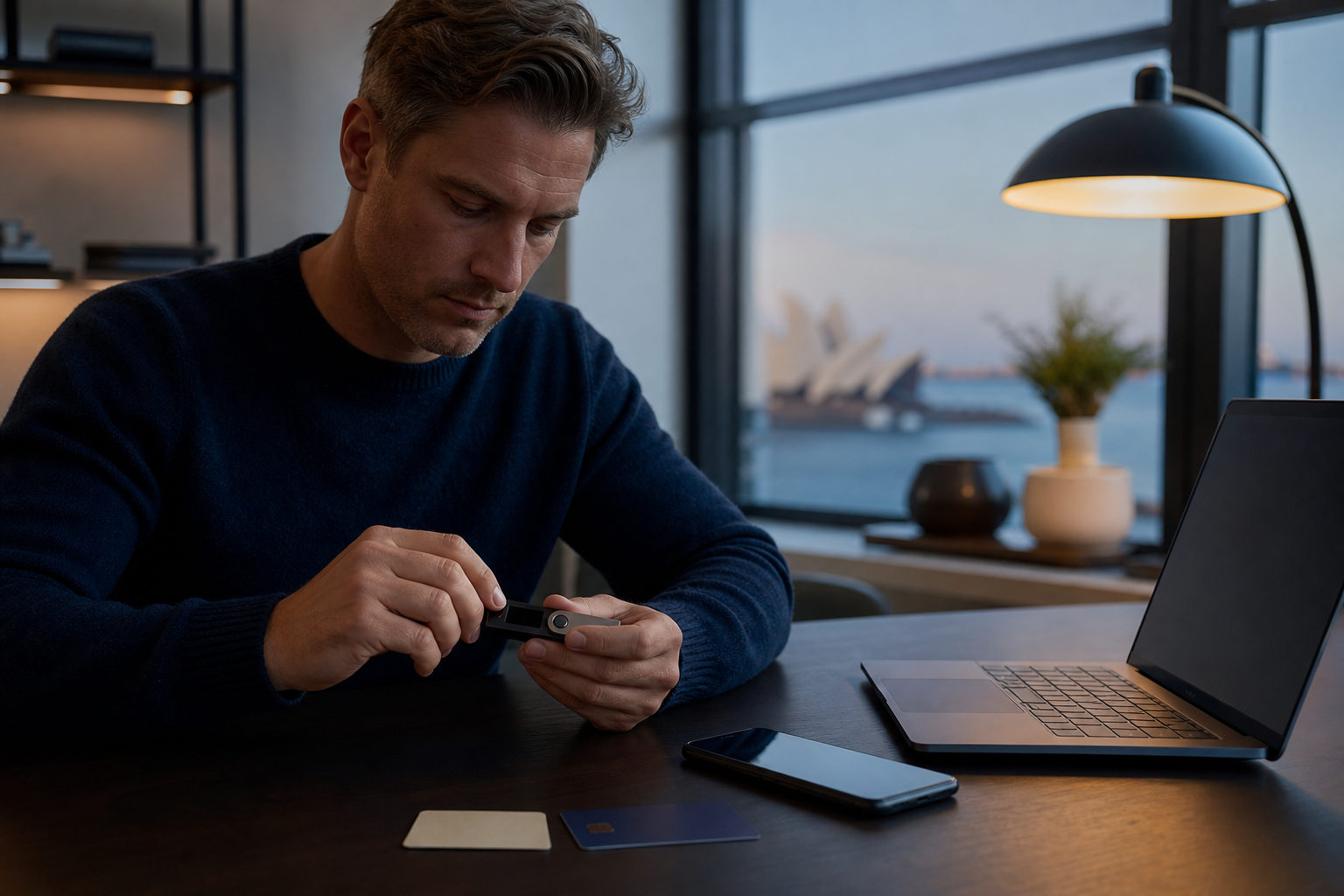
To get bitcoins in Australia, the safest path is to choose a legitimate method, set up a wallet you control, complete verification carefully, test with a small amount, and only then move larger sums.
Start by choosing how you want to get bitcoin
People often jump straight to the question of where to buy, but the better first question is how you plan to receive your first bitcoin. In practice, Australians usually get bitcoin by buying through an online service, accepting it as payment for work or goods, receiving it from someone they know, or using a peer-to-peer arrangement. Each route creates a different set of risks.
If you are new, a regulated buying service is usually easier to manage because the process is more structured. You will deal with account setup, identity checks, payment, withdrawal rules, and security settings in a clear order. If you are a freelancer, merchant, or contractor, receiving bitcoin directly may suit you better, though that means you also need to think about invoicing, payment timing, record keeping, and storage before you accept funds.
Private deals can look simple, especially when someone says they can help you skip the normal steps. That is exactly why they deserve more scrutiny. A direct transfer from another person may leave you with weaker documentation, unclear transaction history, and fewer ways to resolve a dispute if anything goes wrong.
Step 1: Set up a wallet before you buy or receive anything
The first practical move is to prepare a wallet. This matters because buying bitcoin and actually controlling bitcoin are not the same thing. If your coins remain inside a third-party account, you depend on that service for withdrawals, account access, and any extra checks that may appear later.
At a basic level, you will come across custodial wallets and self-custody wallets. A custodial wallet keeps control with the provider, which can feel easier at the start. A self-custody wallet puts control in your hands by giving you the recovery information tied to your bitcoin. For anyone planning to hold bitcoin beyond a short learning phase, understanding self-custody is worth the effort.
Download wallet software only from the official app store listing or official site. Scam copies often appear through ads, social posts, fake support messages, and search results designed to catch impatient users. Once the wallet is created, you will usually be shown recovery information. Write it down and store it offline. Do not save it in cloud notes, email drafts, chat apps, or screenshots on your phone.
Before you buy anything, learn three wallet basics: how to copy a receiving address, how to verify you pasted the correct address, and how to recognize an incoming payment inside the wallet interface. New users often assume these are minor details, then make a costly mistake on the first withdrawal.
Step 2: Pick a method that matches your situation, then check the weak points
If you plan to buy bitcoin online in Australia, do not focus only on how fast the sign-up flow looks. Check whether the service explains identity verification, fees, withdrawal rules, account protection, and customer support channels clearly. A service that pushes speed, secrecy, or easy profits ahead of basic controls should be treated with caution.
Identity verification is a normal part of many legitimate services. Complete it only through the provider's official app or site. If someone claiming to be support asks you to send documents by direct message, share a login link, read out a verification code, or install remote access software, stop there. Real support should not need your wallet recovery phrase, one-time code, or screen control.
If you want to get bitcoin from another person, define the process before money moves. That includes the payment method, the release condition, and how both sides will confirm completion. A bank transfer, a cash meeting, and a direct wallet transfer all create different disputes if things turn messy. Clear records matter more than promises in chat.
Getting bitcoin through work is different again. If a client wants to pay you in bitcoin, create a dedicated receiving address for that payment, explain when the invoice is considered settled, and decide how you will handle delays. Without those details, a shift in market price between agreement and payment can trigger unnecessary conflict.
Step 3: Secure your account and device before the first transaction
Many losses happen before the purchase itself. Weak passwords, reused email accounts, fake browser tabs, and infected devices are common entry points for theft. Use a strong password for the account involved in bitcoin activity, and keep that email address separate from everyday shopping or social media logins if possible.
Enable two-factor authentication and give preference to an authenticator app rather than methods that can be intercepted through social engineering. Keep backup codes offline. Store them separately from your wallet recovery information so a single leak does not expose everything at once.
Your browsing habits also matter. Bookmark the official login page once you have confirmed it is genuine, then use that bookmark every time. Fake sites often copy the visual design of a real service and rely on small domain changes that are easy to miss. A careless login can hand over your password and verification code in one go.
Device hygiene deserves attention too. If your phone or computer has suspicious extensions, pirated software, or remote-control tools you do not fully trust, fix that first. Logging in to a bitcoin service from a compromised device defeats a lot of other security steps.
It is also wise to avoid sensitive actions on public networks. Deposits, withdrawals, password changes, and security updates are better handled on a device and internet connection you control. Convenience is not much help if it leads to a permanent loss.
Step 4: Use a small test transaction and verify every detail
Once you are ready to buy or receive bitcoin, start small. The point of a test transaction is to confirm that your wallet address is correct, withdrawals are enabled, and you understand what a successful transfer looks like. It also gives you one low-pressure chance to spot any confusion before more money is involved.
When withdrawing, review the receiving address carefully after pasting it. Do not rely only on the first and last characters. Some malware changes copied wallet addresses in the background, so it is important to compare the full address inside your wallet and the withdrawal screen.
If the service asks you to choose a network or transfer type, pause until you are sure the option matches your wallet. New users sometimes click through prompts they do not understand because the page looks routine. That is a poor moment to guess. A brief delay is safer than sending funds somewhere you cannot recover them from.
After the bitcoin arrives, check that the wallet shows the payment properly and save any records you may need later. That can include transaction notes, invoice references, or proof of payment for your own files. People often relax after the first successful transfer, and that is when follow-up scams appear: fake giveaways, fake security alerts, and fake support requests asking you to take one more step.
If your plan is long-term holding, think about storage again after the first test works. The right setup is the one you can actually manage. Fancy tools are less important than your ability to back up recovery information, recognize normal wallet activity, and regain access if your main device fails.
Step 5: Know the scam patterns tied to getting bitcoin in Australia
Scams connected to the phrase how to get bitcoins in Australia usually sell speed, simplicity, or exclusivity. The pitch may come as managed buying, someone offering to store coins for you, a trading mentor, a support agent who says they will walk you through the process, a frozen account release fee, or a romantic contact suggesting a “safe” crypto opportunity. The details change, but the pressure is similar: send money first, trust the other party, and skip the checks.
Fake support is one of the most common traps. You ask a public question, then someone contacts you privately pretending to represent a service. They may ask you to “verify” your wallet, “sync” it, approve a suspicious signature request, or share your screen while they guide you. Those requests are designed to capture access, not help you.
Cash meetups also carry risk. A face-to-face trade can involve fake payment confirmations, reversed bank transfers, last-minute price changes, or personal safety concerns. If you choose that route anyway, meet in a public place, verify payment independently, and end the transaction only after you are satisfied with the result.
Be careful with social media promotions, airdrop claims, and bonus offers. If you are told to send a small amount of bitcoin to receive more back, connect your wallet to an unfamiliar service, or approve a request you do not understand, step away. The promise of a reward is often just a method to take control of your funds.
FAQ
Do I need a trading account to get bitcoin in Australia?
No. You can also receive bitcoin as payment for work, from a friend, or through a direct transfer. For beginners, though, a structured service with clear verification and withdrawal steps is often easier to handle.
Should I leave my bitcoin on the platform after buying it?
For a small first purchase made purely to learn the process, some people leave it there temporarily. If you plan to hold for longer or you want direct control, moving the bitcoin to your own wallet is usually the better next step.
How can I tell whether a bitcoin offer is a scam?
Watch for pressure, secrecy, private messages, and promises that sound unusually easy. If anyone asks for your recovery phrase, one-time code, remote device access, or approval of something you do not understand, stop immediately.
What is the most common mistake when getting bitcoin for the first time?
Users often download a fake wallet, paste the wrong address, or skip a small test transaction. Another common mistake is assuming an account balance on a service means they already understand how to receive and control bitcoin safely.
Can I get bitcoin without buying it directly?
Yes. You can accept bitcoin for freelance work, business sales, consulting, or other services. If you do that, set payment terms clearly, use a fresh receiving address when needed, and keep records that match each payment to its purpose.
Before you commit serious money, complete one clean practice cycle: wallet setup, backup, account security, a small purchase or payment, and a successful withdrawal to self-custody. If you can do that without confusion, you are in a much better position to decide what to do next.
Disclaimer: This article is for informational and educational purposes only and is not investment, financial, or legal advice. Crypto assets are highly volatile and you could lose your entire investment. Do your own research and decide carefully.