
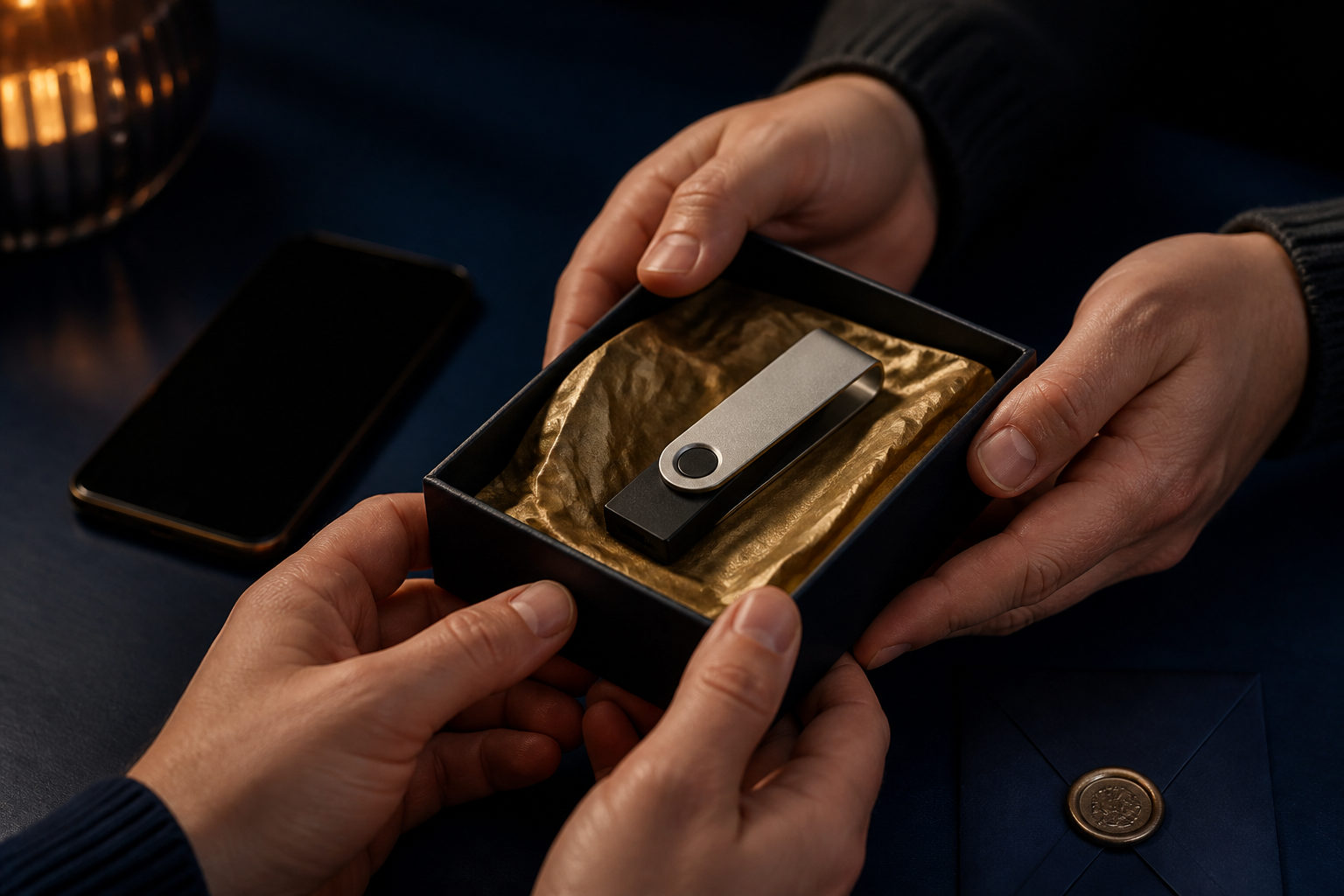
You can give bitcoin as a gift, but the real job is making sure the recipient can actually receive it, keep control of it, and understand what they now own.
Start with the recipient, not the transfer
Bitcoin can be a thoughtful gift, especially for someone already interested in digital assets. It can also be a confusing one if the person has never used a wallet, does not know what a recovery phrase is, or assumes every financial gift works like cash in an app.
Before you send anything, figure out what kind of recipient you are dealing with. Someone who already uses a self-custody wallet may only need a transfer to an address they control. A complete beginner may need a guided setup so they can create a wallet, record the recovery phrase, and confirm that they know how to view the balance afterward.
This matters because a bitcoin gift includes responsibility. Once the recipient controls the wallet, they also carry the burden of keeping the backup safe. If they do not want that responsibility, the gift may feel awkward instead of useful.
Choose the gifting method that fits the situation
There is more than one way to give bitcoin. The right choice depends on how much experience the recipient has, how much trust you want involved in the handoff, and whether you care more about simplicity or presentation.
| Method | Best for | Main benefit | Main risk |
|---|---|---|---|
| Send directly to the recipient's wallet | People who already use bitcoin | Clear ownership from the start | A wrong address usually cannot be reversed |
| Help them create a wallet, then send bitcoin | Beginners willing to learn | You can confirm receipt and backup in one session | The setup must be done privately |
| Give a pre-prepared wallet as the gift | People who want a physical gift feel | Stronger presentation and ceremony | If you ever saw the recovery phrase, trust stays unresolved |
| Give funds and let them buy bitcoin themselves | Recipients who want full choice | They decide timing and storage | It does not feel like receiving bitcoin on the spot |
For an experienced recipient, a direct transfer is usually the cleanest option. They already understand addresses, wallet interfaces, and backup duties, so the gift can be delivered without turning into a lesson.
For a beginner, a guided setup often works better. Let them install a wallet on their own device, create it themselves, and record the recovery phrase without you keeping a copy. You can explain what each step means, but the sensitive part should stay in their hands.
A preloaded wallet looks attractive on paper because it resembles a boxed present. The problem is simple: if the giver has ever had access to the recovery phrase or private key, the recipient can never be fully certain that control belongs to them alone.
How to hand it over without creating a security mess
The sequence matters. Many gifting mistakes happen because people rush from idea to transfer without setting up clear boundaries first.
- Confirm how the recipient wants to receive it. Ask whether they already have a bitcoin wallet or would rather set one up. Do not assume that a trading app account is the same thing as a wallet they truly control.
- If they are new, let them create the wallet themselves. The wallet should be generated on the recipient's own device. They should write down the recovery phrase on their own and store it in a place they control.
- Verify the receiving address carefully. Even when you copy and paste an address, check it again. A transfer sent to the wrong destination is usually final.
- Send a test amount first. This confirms that the address works, that the wallet displays the incoming transaction properly, and that the recipient knows where to look.
- Complete the full gift only after that check. At this stage, the recipient has already seen how receipt works, which reduces confusion.
- Give a short explanation of what must stay private. Recovery phrase, private key, and any restore details should never be shared through chat messages, email, or screenshots.
If you want a physical presentation, keep the gift card or note simple. A short message saying that you have given bitcoin and that the recipient should back up the wallet first is useful. Printing sensitive recovery details on something decorative is a bad trade.
The biggest mistakes usually involve custody, not the transfer itself
People often focus on the sending step because it feels technical. In practice, the real trouble starts when custody is unclear after the gift is delivered.
- Sending the recovery phrase through a messaging app. Once the backup exists in a connected service, you lose confidence about who may have seen or copied it.
- Keeping your own copy “just in case.” That may sound helpful, but it means the recipient never has exclusive control.
- Using only photos or screenshots as backup. Images can remain in cloud sync, old devices, or shared albums long after the gift is given.
- Skipping the test transfer. For a first-time recipient, one small check is often the difference between a smooth handoff and a stressful mistake.
- Handing over an exchange account instead of bitcoin in a wallet. That can mix identity, login access, withdrawal steps, and platform rules into what should have been a simple gift.
Privacy during setup also matters. If you help someone create a wallet at a party, in a crowded room, or while other people are watching, the chance of exposing the recovery phrase goes up fast. A quiet setup is more valuable than a dramatic reveal.
What to include if the recipient is new to bitcoin
A short instruction note can make the gift much more usable. This is not about writing a long manual. It is about making sure the recipient knows the few things that actually matter.
- What they received. Make it clear that this is bitcoin, not store credit, reward points, or a balance trapped inside a service.
- How to confirm receipt. Tell them to check the wallet they control, not just a screenshot of a transaction.
- What must remain private. The recovery phrase and private key are the core secrets tied to control of the funds.
- What to do if something looks wrong. If the wallet shows an unfamiliar warning or asks for sensitive details in an unexpected place, they should stop and verify before taking action.
You should also set expectations about price movement. Bitcoin does not behave like a fixed-value gift card. The market price can move up or down after the handoff, so the recipient should understand that the value of the gift can change over time.
FAQ
What is the easiest way to give bitcoin as a gift?
If the recipient already has a self-custody wallet, sending bitcoin directly to their receiving address is usually the easiest method. It keeps ownership clear and avoids extra moving parts.
Can I give bitcoin to someone who has never used it before?
Yes, but the best version of that gift usually includes a guided setup. If the person does not want to learn basic wallet backup, the gift may be more burden than benefit.
Should I write the recovery phrase inside a card?
That is usually a bad idea. Cards are easy to photograph, misplace, copy, or leave in plain sight, which weakens the security of the gift.
Is it okay to hand over an exchange account with bitcoin in it?
That can create unnecessary complications around login access, identity, and withdrawals. If your goal is to give bitcoin itself, it is cleaner for the recipient to receive it in a wallet they control.
Do I need to explain that bitcoin's price changes?
Yes. A recipient should know that the gift's value can rise or fall after they receive it, because bitcoin is not a fixed-amount cash equivalent.
Should I keep a backup for them in case they lose access?
Usually no, unless the arrangement is openly discussed in advance. A cleaner handoff is one where the recipient controls the wallet and the backup, while you only explain the basics.
A solid bitcoin gift handoff ends with three things in place: the recipient uses their own device, the backup is recorded privately by them, and a test transfer has already shown that the wallet works as expected.
Disclaimer: This article is for informational and educational purposes only and is not investment, financial, or legal advice. Crypto assets are highly volatile and you could lose your entire investment. Do your own research and decide carefully.