
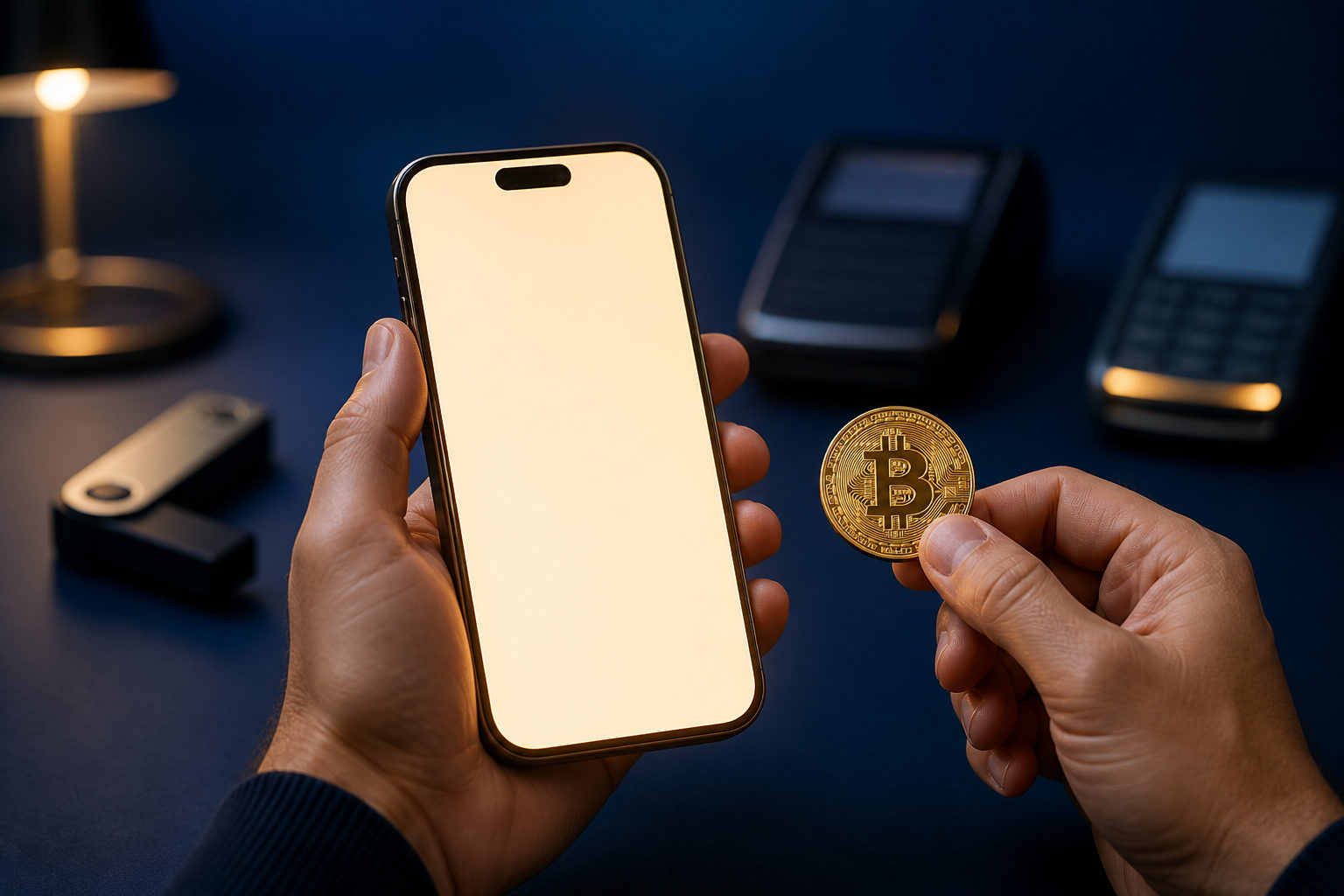
How to use bitcoin comes down to four actions: set up a wallet, receive bitcoin, send or spend it, and protect your backup. For beginners, the biggest win is not speed. It is avoiding scams, wrong addresses, and careless mistakes.
What people actually use bitcoin for
Bitcoin can be used as a peer-to-peer payment system and as a digital asset that you control directly. In practice, most people use it for personal transfers, receiving payments, holding it over time, or paying a merchant or service that clearly accepts bitcoin.
If someone asks where bitcoin can be used, the honest answer is simple: only where the other side accepts it. That could be an individual, a business, or a service provider. The key is not just having BTC in your wallet, but checking that the recipient supports bitcoin and that you are using the correct address and payment flow.
- Send money to another person: useful for direct transfers.
- Receive payment: freelancers and sellers may accept bitcoin.
- Hold it yourself: some users prefer direct control over their coins.
- Pay where BTC is accepted: only in places that clearly support it.
One rule matters from the start: once a bitcoin transaction is confirmed, reversing it is usually not simple. That is why careful checks matter so much.
Step 1: Set up a wallet before you get any bitcoin
Many beginners think the first step is buying bitcoin. A better order is to prepare your wallet first. You need to know where your bitcoin will be stored, who controls it, and how you would recover access if your device were lost or damaged.
A wallet is not just an app that shows a balance. It manages the keys or recovery data tied to your funds. If your recovery phrase or private key is exposed, another person may be able to move your bitcoin without asking you again.
What to do
- Choose a wallet that matches your purpose, whether that is everyday use or longer-term storage.
- Create the wallet and write down the recovery phrase it gives you.
- Store that recovery phrase offline in a safe place.
- Add device security such as a screen lock or app password.
Why this step matters
Good habits are easier to build before money is involved. A large share of beginner losses comes from poor backup practices, fake support messages, phishing pages, or sharing sensitive wallet details with the wrong person.
What to watch out for
- Never share your recovery phrase with support staff, strangers, or chat groups.
- Do not store it as a screenshot or in cloud notes.
- Learn the difference between a public receiving address and private recovery data.
Step 2: Learn to receive bitcoin safely
Once your wallet is ready, you can receive bitcoin. You might get it from a purchase, from a friend, or as payment for work. Before asking anyone to send funds, make sure the receiving details you provide are correct.
The usual process is simple: open the receive screen in your wallet, copy your bitcoin address, or let the sender scan your QR code. The action itself is easy. The risks come from small errors such as copying the wrong address, using the wrong network, or skipping a test transfer.
What to do
- Open the receive function in your wallet and generate a bitcoin address.
- Check the beginning and end of the address before sharing it.
- If the amount is meaningful to you, ask for a small test payment first.
- Wait for your wallet to show the incoming transaction before moving on.
Why this step matters
Bitcoin transfers depend on addresses, not names. If an address is wrong, the network does not know what you meant to type. A small test can feel slow, but it cuts down the chance of a painful first mistake.
What to watch out for
- Make sure the sender is actually sending bitcoin, not a different token.
- Do not rely on a screenshot as proof of payment.
- Be careful when showing a QR code in public, since replacement scams do exist.
Step 3: Follow a fixed process when sending or spending bitcoin
For many users, using bitcoin means sending it out. That may be a payment to a friend, a purchase from a merchant, or a transfer between your own wallets. In each case, the safest approach is to use the same checklist every time.
Most beginner mistakes happen right before confirmation. People rush, paste the address without checking it, enter the wrong amount, or assume the recipient accepts bitcoin when that was never confirmed. A short pause before sending is often the best protection you have.
What to do
- Select send in your wallet and paste the destination address or scan the QR code.
- Enter the amount and check whether the app is showing BTC or a fiat estimate.
- Review the network fee and transaction details, then confirm.
- Share only the necessary transaction information with the recipient.
Why this step matters
Bitcoin transactions are included in blocks by miners. On average, a block is produced about every 10 minutes, so settlement may not feel instant. If you understand that, you are less likely to panic and send the same payment twice.
What to watch out for
- Do not repeat a payment just because confirmation takes time.
- Check that the recipient really accepts bitcoin before you send it.
- Be very careful with requests that say you must send bitcoin first to release funds, remove a freeze, or get a refund.
Step 4: Storage habits determine whether bitcoin stays usable
After a first successful transfer, many people focus only on price and forget about maintenance. Long-term usability depends on simple habits: knowing where your backup is, knowing which wallet is for what, and having a plan for device loss or replacement.
If you use bitcoin only once in a while, basic records still help. If you plan to hold it longer, backup discipline matters even more. Direct control is one of bitcoin's main features, but it also means you are responsible for your own process.
- Keep backups offline: write down recovery data and store it securely.
- Separate uses: avoid mixing spending funds with longer-term holdings.
- Keep simple records: know which wallet serves which purpose.
- Review your setup: make sure your backup is still accessible and your device security still works.
There is another practical point. If someone else controls the withdrawal rights, you are taking on extra counterparty risk. Convenience may be worth it for some people, but the trade-off should be clear.
FAQ
How do you use bitcoin for the first time?
Start by setting up a wallet and backing up the recovery phrase. After that, try a small receive and send test so you can learn the process without putting too much at risk.
Where can I use bitcoin?
You can use bitcoin anywhere a person, merchant, or service clearly accepts BTC. Do not assume support just because a business mentions crypto in general.
What do people use bitcoin for most often?
Common uses include person-to-person transfers, receiving payments, holding it as a digital asset, and paying in places that accept bitcoin. The exact steps depend on the situation, but address checks and backup security always matter.
Who uses bitcoin today?
Users include long-term holders, people making cross-border transfers, businesses that accept crypto payments, and individuals who want direct control over digital assets. Their goals differ, so their wallet setup and risk tolerance often differ too.
What is the biggest beginner mistake with bitcoin?
The most damaging mistakes are sharing a recovery phrase, sending to the wrong address, skipping a test transfer, and trusting strangers to handle wallet steps for you. If a process requires giving control to someone else, treat it as high risk.
Before using bitcoin in a larger amount, run a small practice cycle first: back up the wallet, verify the address, test a transfer, and record what you did. That routine is far more useful than trying advanced tricks too early.
Disclaimer: This article is for informational and educational purposes only and is not investment, financial, or legal advice. Crypto assets are highly volatile and you could lose your entire investment. Do your own research and decide carefully.