
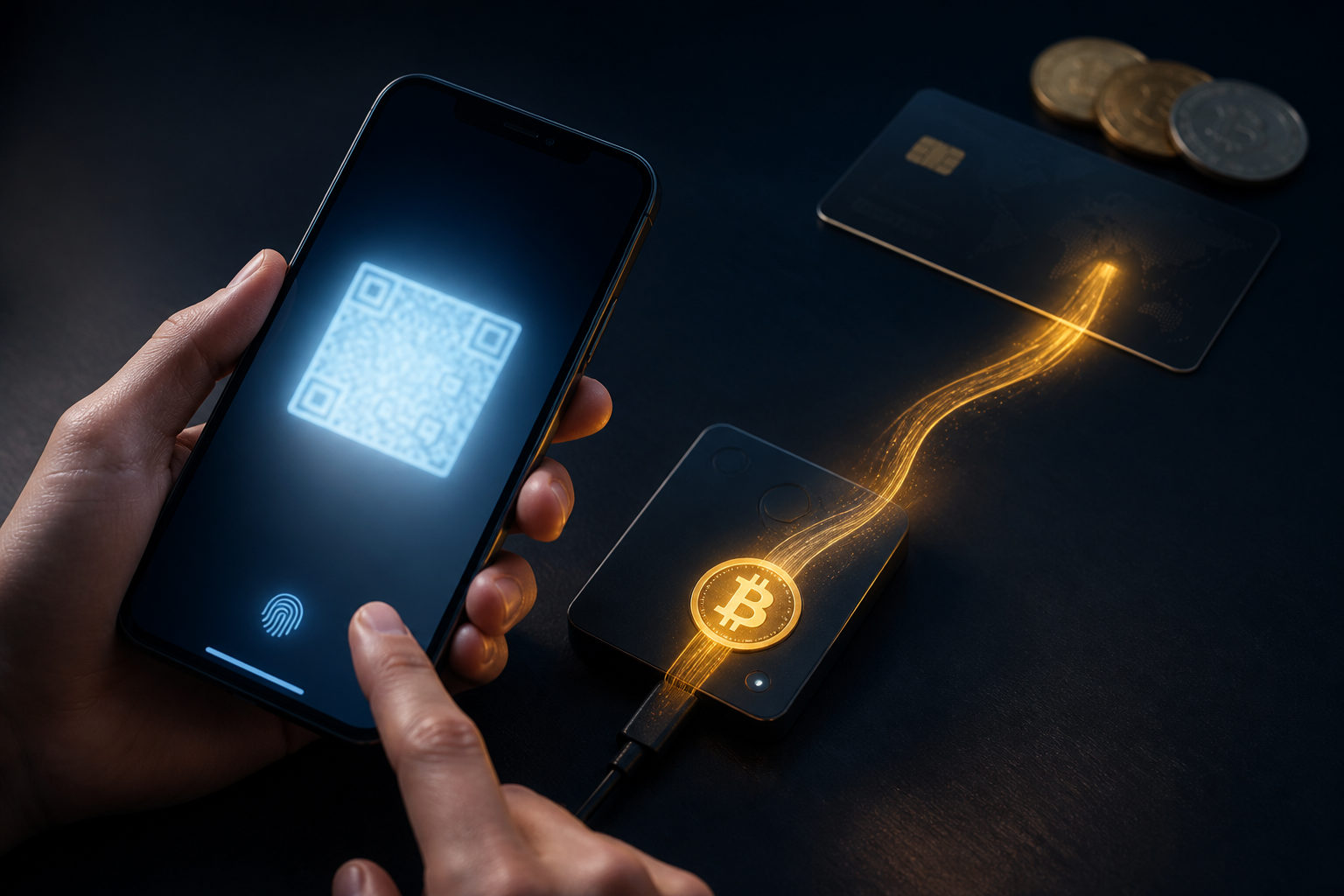
How to withdraw bitcoin depends on what you mean by withdraw: send BTC to your own wallet, move it to another service, or sell it first and take out cash. The safe path is to define the goal, verify the destination, and check every security step before you submit anything.
Know what kind of withdrawal you need
People often use the same phrase for different actions. One person wants to move bitcoin off an exchange, another wants to cash out, and someone else only wants to transfer BTC to a different account.
Those actions may sit near each other in an app, but they are not the same process. If you mix them up, you can send bitcoin when you meant to sell it, or start a cash withdrawal when you still needed an on-chain transfer.
- Send BTC to a personal wallet: you still hold bitcoin, but you control the storage.
- Sell BTC and withdraw cash: you convert bitcoin into fiat first, then request a bank withdrawal.
- Transfer BTC to another service: this is still a blockchain transfer, so address and network checks matter.
Step-by-step: how to withdraw bitcoin
Step 1: Check where your bitcoin is held
Start by confirming whether your BTC is on an exchange, in a custodial account, or already in a self-custody wallet. This matters because each setup has its own withdrawal rules, security checks, and review process.
If your bitcoin is on a platform, you may need identity verification, withdrawal permissions, and two-factor authentication before you can move it. Do not log in through random ads, chat messages, or links sent by strangers.
Step 2: Decide whether to send BTC or cash out
If your goal is self-custody, the next thing you need is a valid bitcoin receiving address from your wallet. The reason is simple: you are moving the asset, not converting it.
If your goal is cash, you usually need to sell bitcoin first and then withdraw fiat through the service's banking options. This is where many users get confused, because a platform may show buttons such as withdraw, send, transfer, and cash out in nearby menus.
Step 3: Verify the receiving address and supported network
This is the most important check in the whole process. Paste or scan the receiving address, then compare the first and last characters and confirm that the destination actually supports BTC deposits in that format.
The reason for being strict here is that bitcoin transfers are generally not reversible once sent. If the service shows multiple network choices or transfer routes, follow the destination's instructions rather than making a guess.
Step 4: Send a small test amount first
If this is your first time sending to a new address, do a small test transaction. That gives you a way to confirm the address, the deposit rules, and the workflow before moving a larger amount.
People skip this step when they are in a hurry, then regret it later. A short delay is easier to deal with than a permanent transfer mistake.
Step 5: Complete every security check yourself
Most services ask for a password, two-factor code, email approval, or a withdrawal confirmation step. These checks exist to stop account theft from turning into an immediate loss of funds.
Enter those codes only inside the official app or website. No real support agent needs your seed phrase, private keys, or full verification codes to help with a withdrawal.
Step 6: Review the status and wait for confirmation
After submission, you may see labels such as pending, sent, or completed. A completed status on the platform side does not always mean the receiving side can use the funds right away.
Bitcoin transfers still need network confirmation, and the destination service may have its own crediting rules. Save the transaction details, check the address again, and wait for the receiving side to update.
If you want to withdraw money from bitcoin
Many searches that ask how to withdraw money from bitcoin are really about cashing out. In most cases, that means selling BTC for fiat inside a service that supports both trading and bank withdrawals.
The reason is practical: banks receive fiat, not bitcoin. Before you submit a cash withdrawal, make sure the account name matches, the service supports your withdrawal method, and you understand any verification or review requirements.
- Confirm that the service supports both selling BTC and fiat withdrawals.
- Sell your bitcoin and get an available fiat balance.
- Add your own bank account and complete any required verification.
- Submit the withdrawal request and monitor the status.
If a service promises instant cash withdrawal with no checks, or offers to handle the process for you, treat that as a warning sign. Fraud often shows up when users are focused on getting funds out quickly.
Common risks when withdrawing bitcoin
Fake support and account takeover tricks
Scammers often claim your account is frozen, your withdrawal failed, or your funds are at risk. Then they ask for codes, remote access, or wallet recovery words.
That is not support. If you need help, open a request through the official app or website and keep control of every action on your side.
Fake websites and wallet apps
Some phishing pages look nearly identical to the real login screen. Once you enter your details, the attacker can use them to access your account and withdraw funds.
Use bookmarks, typed URLs, or official app store listings when possible. Avoid ads that claim faster withdrawals, VIP handling, or manual approval help.
Clipboard malware that swaps addresses
Some malicious software monitors copied wallet addresses and replaces them with an attacker's address. You think you pasted your own destination, but the final result is different.
That is why a visual check matters every time. Compare the address characters before you approve the withdrawal, even if the entry looks familiar.
Confusing send, withdraw, and cash out
A lot of user mistakes come from labels, not from bitcoin itself. A send action moves BTC on-chain, while a cash withdrawal usually happens only after you sell the asset for fiat.
Read the page title and the action description before confirming anything. Similar wording can lead to very different outcomes.
FAQ
How can I move my bitcoins to my own wallet?
Get a BTC receiving address from your wallet, then start a withdrawal from the service that currently holds your coins. If the address is new, test with a small amount before sending more.
What is the difference between withdrawing bitcoin and withdrawing cash?
Withdrawing bitcoin means sending BTC to another wallet or service. Withdrawing cash usually means you sold BTC first and then requested a fiat transfer to your bank account.
Why has my bitcoin withdrawal not arrived yet?
The platform may have sent it already, but the network still needs to confirm it and the destination may credit deposits on its own schedule. Check the transaction status and avoid submitting duplicate transfers while you wait.
Do I need to sell bitcoin before taking money out?
If you want money in a bank account, you usually need to sell BTC first. If you only want to move your bitcoin elsewhere, you can withdraw BTC directly to a wallet or another supported service.
What should I check before I confirm a withdrawal?
Check the destination address, supported network, account security settings, and the exact action you are taking. The safest habit is to slow down and review every field one more time.
Pre-withdrawal checklist
- Define the goal: wallet transfer or cash withdrawal.
- Confirm destination support: make sure the receiving side accepts BTC in that format.
- Review the address: do not rely on copy and paste alone.
- Send a test first: this is especially useful for a new address.
- Protect access: keep your codes, seed phrase, and keys private.
- Save records: keep the transaction details in case you need to troubleshoot.
Before you press confirm, look at the action name one more time and make sure you are sending BTC, selling BTC, or withdrawing cash on purpose. That quick pause is often what prevents a costly mistake.