
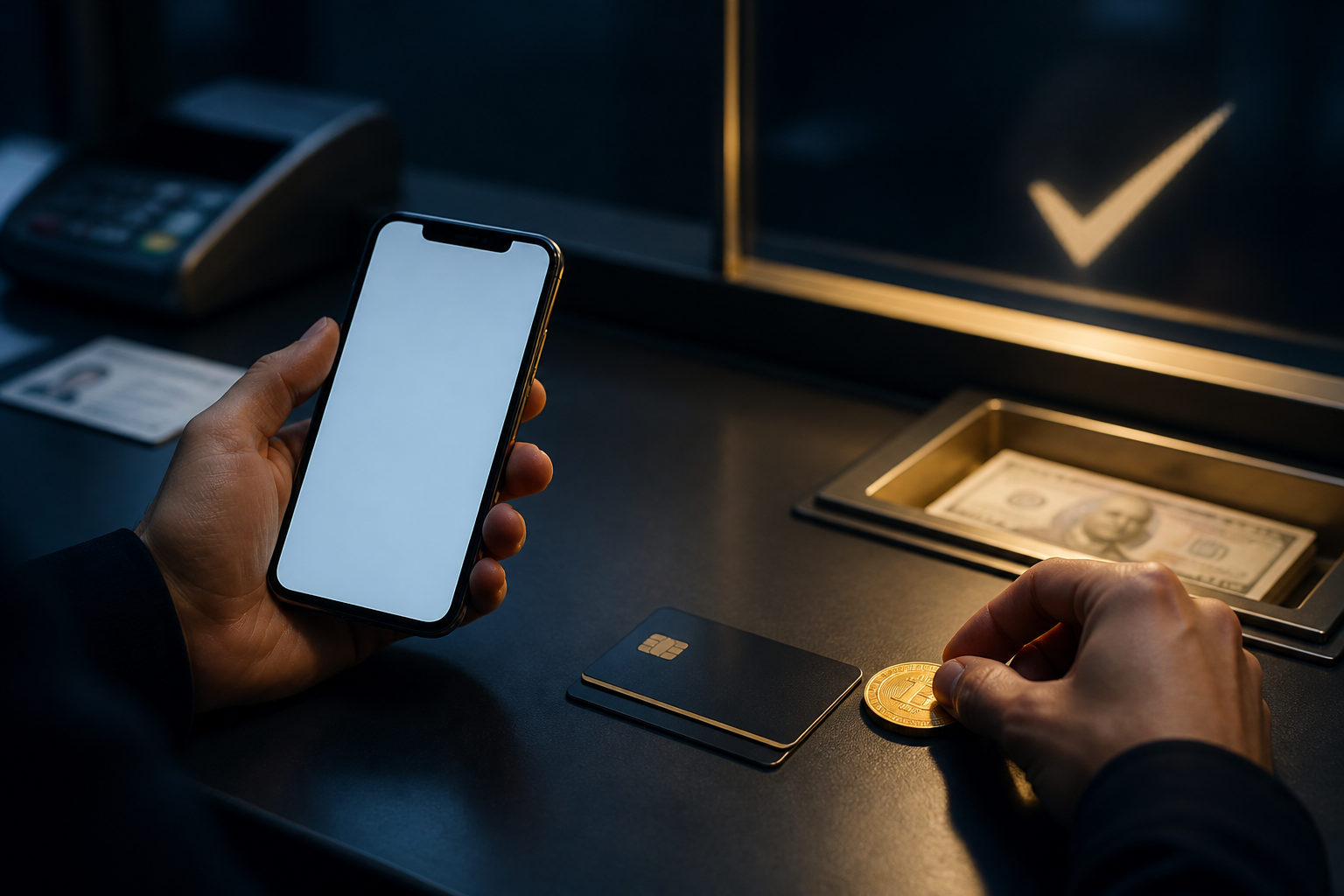
To cash bitcoin, you usually move BTC to a selling venue, place a sell order, and withdraw the proceeds to your bank account. The hard part is not the sale itself but avoiding fraud, account issues, and release mistakes.
What cashing bitcoin really means
When people ask how to cash bitcoin, they usually mean turning BTC into spendable money in a bank account or another supported payout method. In practice, that means selling to a buyer through an exchange order book, a peer-to-peer order, or another formal trading process.
The biggest mistake is thinking the job is done once you click sell. A safer view is this: choose the right channel first, confirm how you will get paid, then move the coins and complete the sale inside the platform's normal flow.
Step 1: Pick the selling channel before you send any BTC
Most users will run into a few broad options: a centralized exchange, a peer-to-peer marketplace, or a private off-platform deal. For beginners, a channel with clear rules, visible verification steps, and a defined withdrawal process is usually easier to manage.
This step matters because once your bitcoin has been sent out, your flexibility drops fast. If you only learn later that the payout method does not fit your bank account, or that the venue has strict review checks, your cash-out can stall even if the trade itself goes through.
- Check whether identity verification is required
- Check which payout methods are supported
- Review the sell, withdrawal, and dispute flow
- Look for clear warnings about suspicious orders
If someone contacts you on social media or in a chat app and offers to buy your BTC directly, slow down. A private buyer asking you to skip the normal process is one of the oldest ways people lose coins.
Step 2: Prepare your account and payout details
Before you sell, make sure your trading account, bank details, and security settings are in order. Many cash-out problems start before or after the trade, not during it.
Your goal here is consistency. If the account name, payout details, login pattern, and security checks all line up, there is less chance of a review delay. If everything looks messy, the sale may still work, but the withdrawal can take longer or trigger extra checks.
What to do at this stage
- Enable two-factor authentication for login and withdrawals
- Confirm that your payout account is active and under your name
- Double-check the wallet address and network before any transfer
- Read the withdrawal rules before you place a sell order
Another useful habit is separating long-term holdings from the amount you plan to sell. That makes the process easier to verify and lowers the chance of sending more BTC than intended.
Step 3: Transfer the bitcoin carefully and test first
If your BTC is in a self-custody wallet or another account, the next move is often to send it to the place where you plan to sell. Accuracy matters more than speed here.
A small test transfer can save you from a larger mistake. Blockchain transfers usually cannot be reversed, so a wrong address, a wrong network, or a fake deposit instruction from an impersonator can create a serious problem. Test the route, wait for the deposit to show up, then move the rest if everything looks right.
- Check the first and last characters of the address yourself
- Do not type an address from a screenshot in a chat
- Do not trust a sudden message from a supposed support agent with a new deposit address
- Wait for the deposit to appear before sending more
If you get a message saying your account is frozen and you must send more crypto to unlock it, stop. A normal cash-out flow does not require you to pay a stranger or a random wallet to receive your own funds.
Step 4: Sell the BTC and confirm payment before release
Once the bitcoin reaches your trading account, you can move to the actual sale. Whether you use a standard exchange order or a peer-to-peer order, the same rule applies: read the order details, confirm the payout method, and follow the platform process from start to finish.
If you are using peer-to-peer trading, the most important safety rule is simple. Only release the bitcoin after you log in to your own bank account or payout app and confirm that the money has actually arrived. A screenshot from the buyer is not enough, and neither is a message claiming payment is on the way.
- Review the amount you are selling and the payout method
- Place the order within the platform, not in a side chat
- Keep all communication inside the official order flow
- Release the BTC only after confirmed receipt of funds
People searching for how to cash in bitcoin often focus on finding a buyer. In reality, the final confirmation step is where many losses happen. Fake receipts are easy to make, and bank alerts can be delayed, so your own account check is what counts.
Common scams and avoidable mistakes
Cashing bitcoin is not only about selling. It is also about spotting pressure tactics and fake urgency before they cost you money.
| Risk | How it appears | What to do |
|---|---|---|
| Fake support | Someone claims to be platform staff and asks for a transfer | Use only the official app or site and stop replying elsewhere |
| Fake proof of payment | A buyer sends an edited transfer image | Check your own bank account before release |
| Off-platform switch | The buyer asks to continue in another app | Keep the full record inside the platform |
| Name mismatch | The payer name does not match the order details | Pause and review the order terms before moving on |
| Extra fee demand | You are told to send more crypto to unlock funds | Do not send anything and verify through official support channels |
If you remember only one rule, make it this: do not leave the formal process, do not release early, and do not send extra crypto because someone claims it is required for verification or unfreezing.
FAQ
What is the simplest way to turn BTC into usable money?
For most people, the simplest path is using a formal selling venue that supports withdrawals to an account in your name. The main point is not speed but making sure the payout is real and verifiable.
Why do platforms ask for identity checks when I cash in my bitcoins?
These checks are common in fraud prevention and account security. If you wait until after the sale to complete them, your withdrawal may take longer.
Should I sell all my bitcoin at once?
That depends on your own plan and comfort with the process. If you are new, it can be safer to test the full cash-out flow with a smaller amount first.
Can I accept a better offer from a private buyer?
You can, but the risk is much higher once you leave the platform's record and dispute process. A higher quoted price is often used to push people into unsafe behavior.
What should I do if the buyer says payment was sent but I do not see it?
Check your own bank account or payout app directly. Do not release BTC, cancel the order, or send more funds just because the buyer sounds urgent.
A practical checklist before you cash bitcoin
If this is your first time working out how to cash bitcoin, keep the sequence simple: choose the channel, complete verification, test the transfer, sell inside the platform, then confirm funds before release. Slower is often safer.
Right before you start, confirm three things: you control the payout account, all order messages stay in the official interface, and any request for extra crypto is treated as a warning sign. Those checks matter more than saving a little time.