
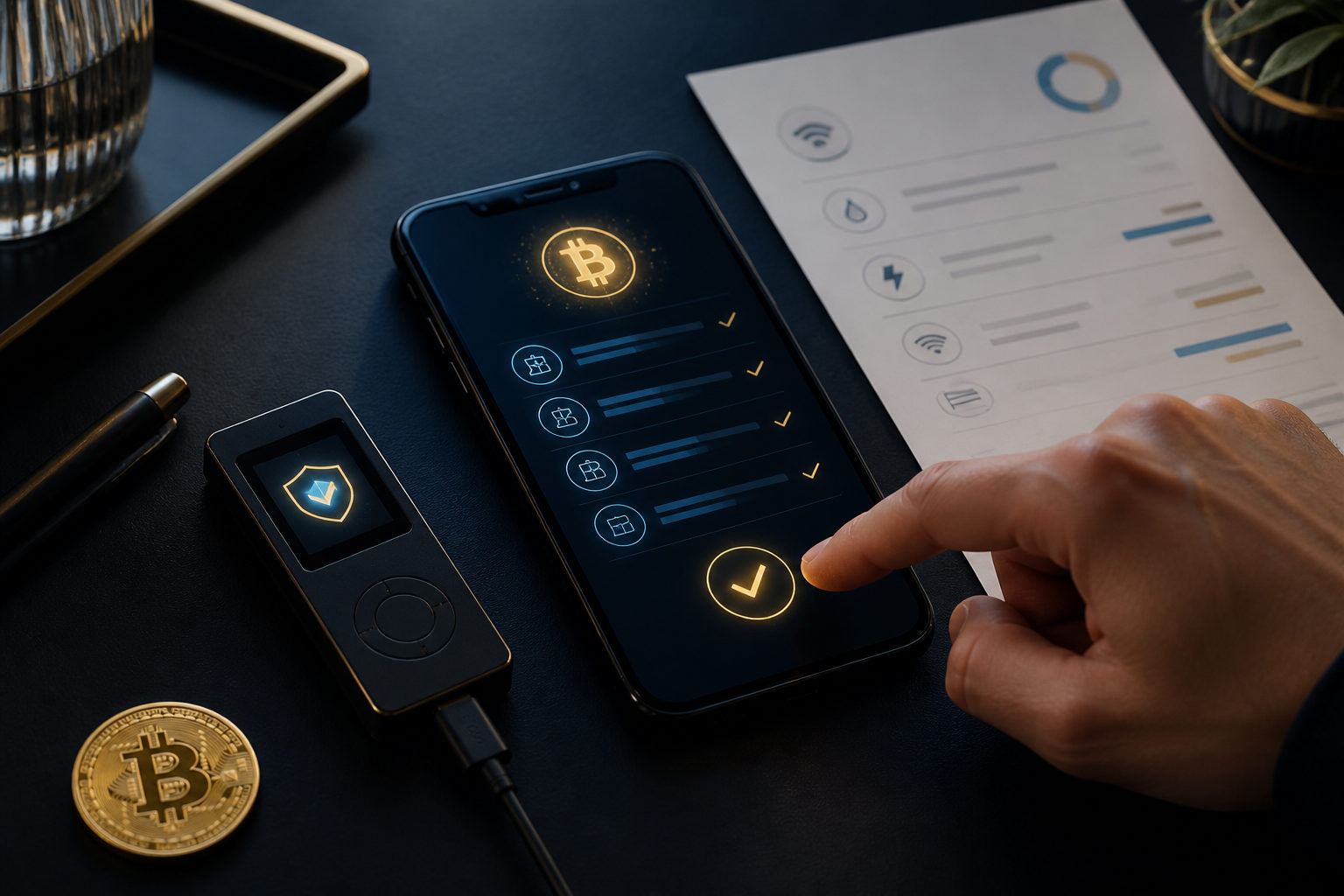
You can pay bills with bitcoin if the payee accepts BTC directly or through an indirect payment route. The safe way is to confirm the method first, use your own wallet, send a small test transaction, and keep proof of payment.
Start by identifying the payment path
Not every bill can be paid with bitcoin in the same way. In practice, you will usually see one of two setups: the biller accepts BTC directly, or you use bitcoin to fund a balance, a bill-pay service, or a gift-card style method that completes the payment on your behalf.
Check the bill page, support documentation, or payment screen before you move any funds. That step matters because once a bitcoin transaction is sent, fixing a mistake is much harder than reversing a card payment.
- Direct BTC payment: the biller gives you a bitcoin address, QR code, or payment request.
- Indirect payment: you convert bitcoin into a usable balance and then pay the bill.
- Third-party bill pay: a service pays the bill for you, and you settle with bitcoin.
The longer the chain, the more trust you are placing in other parties. If someone wants payment only through private messages, keeps changing instructions, or pressures you to act right away, stop and verify everything first.
Step-by-step: what to do, why it matters, and what to watch
Step 1: Confirm the bill details before anything else
Make sure the bill number, payee name, payment purpose, and due date are correct. That sounds basic, but bitcoin transfers are not built for easy reversals, so an error at the start can become a costly problem later.
Do not rely on screenshots forwarded by someone else. Log in to your own account or use the official bill page so you know you are paying the right party.
Step 2: Verify that the payee actually wants BTC
Some payment screens support several digital assets at once, and some services use different networks for different coins. You need to confirm that the bill is asking for bitcoin, not another asset with a similar label or a format your wallet does not support.
This check helps you avoid a common failure: the coin name looks familiar, but the payment route is not the Bitcoin network. If the instructions are vague, pause and ask for clarification through an official support channel.
Step 3: Use a wallet you control
If possible, pay from a wallet where you control the recovery phrase or private keys. That gives you direct access to the sending address, the fee settings, the transaction record, and the payment proof if something goes wrong.
Keep your recovery phrase offline and private. Anyone asking for it to “verify” a payment, remove a restriction, or process a refund is trying to take control of your funds.
Step 4: Send a small test transaction first
If the bill amount is meaningful to you, or if this is your first time paying that biller, send a small test transaction before the full amount. A successful test can confirm that the address works, the system recognizes the payment, and the process is real.
This is especially useful with third-party bill-pay providers. If a service refuses a small test and pushes you to send the full amount right away, treat that as a warning sign.
Step 5: Double-check the address, amount, and fee
Before you hit send, review three things: the destination address, the payment amount, and the transaction fee. If you copied the address, compare the beginning and end. If you scanned a QR code, review the populated details instead of approving them automatically.
Why be so careful? Clipboard malware can swap addresses, fake QR codes can redirect payments, and amount units can be misread. A fee set too low can also slow confirmation, which matters if the bill has a firm deadline.
Step 6: Save proof and monitor the payment status
After sending, keep the transaction hash, payment time, bill reference, and any support communication. Those records help if the payee needs manual review or says the payment has not been credited yet.
If someone claims the bill is still unpaid, do not rush into sending a second transaction. Check the transaction status first, then contact official support with the records you saved.
Scams to watch for when paying bills with bitcoin
Bill payments create urgency, and scammers know that. They often use deadline pressure, fake support messages, or changed payment instructions to push people into mistakes.
- Fake support address changes: someone says the old address expired and gives you a new one.
- Impersonation payment pages: the page looks real, but the QR code or address has been replaced.
- Third-party bill pay fraud: a service takes your bitcoin and never pays the bill.
- Second-payment tricks: you are told the first transfer is stuck and another payment is needed.
- Wallet takeover attempts: someone asks for your recovery phrase or remote access to your device.
The best defense is a short list of hard rules. Never share your recovery phrase. Never trust an address sent only through chat if it differs from the official payment page. Never let urgency replace verification.
Practical issues before and after payment
Price movement affects conversion
Many bills are priced in fiat and converted into bitcoin at the time of payment. That means the BTC amount can change, so you should confirm the current quote on the payment screen right before sending.
If you want a live price reference, check major market data sites, regulated trading services, or the biller's own checkout screen. Do not trust a random message quoting a rate for you.
Refunds do not work like card chargebacks
Bitcoin payments usually do not come with the same reversal experience people expect from bank cards. Even if a merchant agrees to a refund, you may need to provide a fresh receiving address, and the process may not mirror the original payment.
Because of that, review the cancellation and refund terms before you pay. This matters even more for subscriptions, prepaid services, and any manual bill-pay arrangement.
Good records make disputes easier
A lot of people think the job is done once the transaction is broadcast. In reality, keeping organized records is one of the easiest ways to reduce stress later.
Save each bill payment with its purpose, time, transaction hash, and bill reference. If there is a delay or a dispute, you will have what you need without searching through old wallet history.
FAQ
Can I pay a bill with bitcoin if the bill page does not mention BTC?
You should not assume that you can. Confirm that the payee accepts bitcoin directly or offers a formal indirect payment route before sending anything.
Why is a small test payment recommended?
A test transaction helps confirm that the address is correct and that the biller can recognize the payment. It is a simple way to reduce risk when the amount is large or the payee is new to you.
What should I do if the payee says the payment was not received?
First, check whether your transaction was sent and is progressing normally. Then compare the destination address you used with the one originally provided and contact official support with your transaction hash.
Is paying bills through a third party with bitcoin safe?
It can carry more risk than paying the biller directly because you are trusting another party to complete the job. If you use such a service, verify its process carefully and use a small test first.
Where should I check the live bitcoin price before paying?
You can use major market data sites, regulated trading services, or the biller's checkout screen. The key is to confirm the conversion shown at the moment you actually pay.
A practical routine is simple: confirm the payment route, use a wallet you control, send a small test, verify the address and amount, and store the transaction hash with the bill reference.
Disclaimer: This article is for informational and educational purposes only and is not investment, financial, or legal advice. Crypto assets are highly volatile and you could lose your entire investment. Do your own research and decide carefully.